


What Is Compact Laminate Panel Made Of: A Complete Guide to Material Composition and Manufacturing

Compact laminate is a dense, durable building material made from multiple layers of kraft paper impregnated with phenolic resin, compressed under high pressure and temperature. Understanding what Compact Laminate Panel is made of helps architects, designers, and contractors select the right material for demanding applications where strength, moisture resistance, and longevity matter most.
Modern Compact Laminate Panel can withstand heavy use in high-traffic environments while maintaining its structural integrity for decades. The unique composition of Compact Laminate Panel makes it suitable for applications ranging from laboratory countertops to exterior building facades.
Key Takeaways
• Compact Laminate Panel consists of kraft paper layers saturated with phenolic resin, creating exceptional strength and durability through high-pressure manufacturing processes.
• The core materials provide natural moisture resistance, chemical resistance, and dimensional stability that outperforms many traditional building materials.
• Manufacturing involves precise temperature and pressure control, with thermosetting resins creating permanent molecular bonds that cannot be reversed.
• Surface layers can include decorative papers or films, allowing unlimited design possibilities while maintaining structural performance.
• Understanding material composition helps specifiers choose between Compact Laminate Panel and high pressure laminate based on specific application requirements.
Compact Laminate Panel Material Overview
What Are the Core Components?
The foundation of Compact Laminate Panel lies in its carefully selected raw materials. Kraft paper forms the structural backbone, providing tensile strength and dimensional stability. These papers undergo treatment with phenolic resin, a thermosetting polymer that creates the material's characteristic durability and moisture resistance.
Phenolic resin systems cure through a chemical reaction that forms permanent cross-links between molecules. This process makes Compact Laminate Panel highly resistant to heat, chemicals, and moisture - properties that distinguish it from other laminated materials.
Note: The specific ratio of paper to resin affects the final properties of Compact Laminate Panel, with manufacturers adjusting formulations for different performance requirements.
Common Compact Laminate Panel compositions include these material combinations:
| Layer Type | Material Composition | Function | Performance Characteristics |
Core Layers | Kraft paper + phenolic resin | Structural strength | High tensile strength, moisture resistance |
Surface Layer | Decorative paper + melamine | Appearance, protection | Scratch resistance, UV stability |
Back Layer | Brown kraft + phenolic | Dimensional balance | Prevents warping, adds strength |
Special Grades | Glass fiber reinforced | Enhanced performance | Fire resistance, extreme durability |
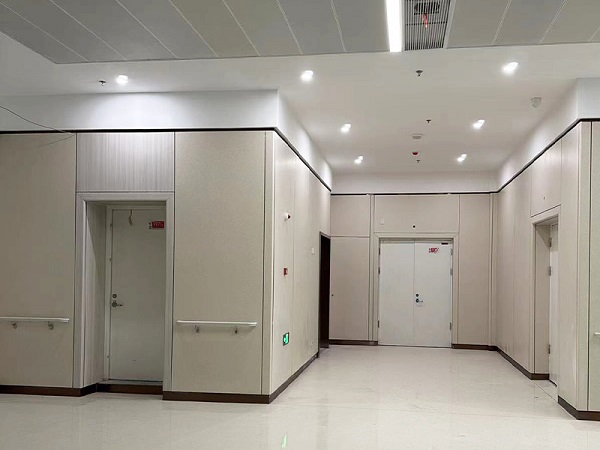
These layered compositions must meet international standards such as EN 438 and ISO 4586, ensuring consistent quality and performance across different manufacturers and applications.
How Manufacturing Creates the Final Product
Compact Laminate Panel manufacturing begins with paper preparation. Kraft papers are impregnated with liquid phenolic resin using precision coating equipment. The resin content typically ranges from 25% to 35% by weight, depending on the intended application and performance requirements.
The impregnated papers, called prepregs, undergo controlled drying to remove solvents while preserving the uncured resin. This step requires precise temperature control to prevent premature curing while ensuring proper resin distribution throughout each sheet.
Manufacturing benefits include:
• Consistent material properties through automated resin application
• Quality control at every stage ensures reliable performance
• Flexible production allows customization for specific applications
• Efficient processes minimize waste and environmental impact
Tip: Modern Compact Laminate Panel facilities use computerized process control to maintain consistent pressure, temperature, and timing throughout production cycles.
Recent industry developments show growing demand for sustainable Compact Laminate Panel options:
• Formaldehyde-free resin systems reduce emissions and improve indoor air quality
• Recycled paper content can reach 50% while maintaining structural performance
• Bio-based phenolic resins derived from renewable sources are entering commercial production
• Energy recovery systems capture heat from curing processes, reducing manufacturing carbon footprint
The global Compact Laminate Panel market continues expanding, driven by increased construction activity and demand for durable, low-maintenance materials. Manufacturers invest in research to develop new compositions that meet evolving environmental and performance standards.
Manufacturing Process and Pressure Systems
High-Pressure Forming Techniques
The transformation of raw materials into Compact Laminate Panel occurs through precisely controlled high-pressure processes. Manufacturing facilities use multi-daylight hydraulic presses capable of generating pressures exceeding 1,400 PSI (100 bar) across large surface areas.
Temperature profiles during pressing typically reach 300°F to 340°F (150°C to 170°C), maintained for specific durations that allow complete resin cure. The combination of heat and pressure forces excess resin from between layers while creating intimate contact between fibers and polymer matrix.
Process parameters that affect final material properties:
• Pressure Application: Gradual pressure increase prevents air entrapment and ensures uniform density
• Temperature Ramp: Controlled heating allows moisture escape before resin gelation
• Hold Time: Extended pressure application ensures complete chemical cross-linking
• Cooling Cycle: Gradual temperature reduction minimizes internal stress and warping
Quality control during manufacturing includes continuous monitoring of press conditions, regular sampling for physical testing, and dimensional verification of finished sheets. Advanced facilities employ statistical process control to minimize variation and ensure consistent product quality.
Resin Chemistry and Cross-Linking
Phenolic resin chemistry determines many performance characteristics of Compact Laminate Panel. These thermosetting polymers undergo irreversible chemical reactions during curing, forming three-dimensional molecular networks that provide exceptional strength and stability.
The curing process involves condensation reactions between phenol and formaldehyde components, creating methylene and ether bridges between aromatic rings. This cross-linking continues throughout the high-pressure cycle, with degree of cure affecting final mechanical and thermal properties.
| Component Type | Chemical Function | Performance Impact | Processing Considerations |
Phenol-formaldehyde resin | Primary binder system | Strength, chemical resistance | Requires precise pH control during synthesis |
Hexamethylenetetramine | Curing catalyst | Accelerates cross-linking | Temperature-sensitive, affects pot life |
Anti-foam agents | Processing aids | Reduces voids, improves appearance | Must not interfere with resin cure |
Release agents | Surface treatment | Prevents press sticking | Minimal quantities to avoid contamination |
Advanced resin formulations incorporate additives that enhance specific properties. Fire retardant grades include halogen-free flame suppressants, while exterior grades contain UV stabilizers and weathering additives that extend service life in demanding environments.
Surface Treatment and Finishing
Surface treatments applied during manufacturing significantly impact both appearance and performance of Compact Laminate Panel. Decorative papers impregnated with melamine-formaldehyde resin provide the visible surface, while specialized textures and patterns can be embossed during the pressing operation.
Anti-bacterial surface treatments incorporate silver ions or other antimicrobial agents directly into the surface resin system. These treatments remain effective throughout the material's service life, making Compact Laminate Panel suitable for healthcare and food service applications.
The manufacturing process allows incorporation of various surface effects:
• High-gloss finishes through polished press plates create mirror-like surfaces
• Textured finishes replicate natural materials like wood grain or stone
• Anti-fingerprint coatings reduce maintenance requirements in high-touch applications
• Conductive surfaces for static dissipation in electronic manufacturing environments
Modern production techniques enable creation of through-color Compact Laminate Panel, where decorative elements extend completely through the material thickness. This innovation eliminates visible wear patterns and allows edge-sealing without color mismatch.
Core Material Components
Kraft Paper Foundation
Kraft paper serves as the primary structural component in Compact Laminate Panel composition. These specially manufactured papers use long-fiber pulp that provides exceptional tensile strength and tear resistance. The paper manufacturing process removes lignin and other components that could affect resin bonding or long-term stability.
Typical kraft paper specifications for Compact Laminate Panel include basis weights ranging from 70 to 120 grams per square meter, with moisture content controlled to optimize resin impregnation. The paper structure must allow complete resin penetration while maintaining sufficient integrity during handling and processing.
Paper quality affects multiple performance aspects:
• Fiber length and orientation influence mechanical strength and dimensional stability
• Porosity controls resin absorption and final density characteristics
• Ash content from manufacturing chemicals can affect fire performance ratings
• pH levels must be compatible with phenolic resin systems to prevent degradation
Tip: Premium Compact Laminate Panel manufacturers source kraft papers from suppliers who specialize in technical grades rather than commodity paper products.
Phenolic Resin Matrix
Phenolic resins provide the binding matrix that transforms kraft paper layers into a unified, high-performance material. These synthetic polymers offer superior chemical resistance, heat stability, and mechanical properties compared to other resin systems used in laminated products.
The phenolic resin formulation includes several components that affect final material properties. Base resin composition determines cure characteristics and cross-link density, while modifiers enhance specific performance attributes such as flexibility or impact resistance.
Key resin system components:
• Novolac resins: Provide excellent chemical resistance and high-temperature stability
• Resole resins: Offer faster cure rates and improved adhesion to paper substrates
• Catalyst systems: Control cure speed and final cross-link density
• Processing additives: Improve flow characteristics and reduce manufacturing defects
Modern phenolic formulations achieve formaldehyde emissions well below international standards through advanced synthesis techniques and post-cure treatments. These low-emission systems maintain all performance benefits while supporting healthier indoor environments.
Reinforcement Materials
Some Compact Laminate Panel grades incorporate reinforcement materials that enhance specific properties beyond what kraft paper and phenolic resin alone can provide. Glass fiber reinforcement increases tensile strength and reduces thermal expansion, making these grades suitable for large-panel applications.
Carbon fiber reinforcement, while less common, provides exceptional strength-to-weight ratios and electrical conductivity for specialized applications. These advanced composites require modified processing techniques but offer unique performance characteristics.
| Reinforcement Type | Primary Benefits | Typical Applications | Processing Requirements |
Glass fiber cloth | Increased strength, dimensional stability | Laboratory furniture, industrial surfaces | Higher pressure, extended cure times |
Glass fiber mat | Improved impact resistance | Heavy-duty work surfaces | Special resin formulations |
Carbon fiber | Conductivity, extreme strength | Electronic manufacturing | Specialized handling procedures |
Aramid fiber | Impact resistance, toughness | Security applications | Modified pressing techniques |
The incorporation of reinforcement materials requires careful attention to fiber-resin compatibility and processing parameters. Manufacturers must adjust resin formulations and press cycles to ensure complete wet-out and optimal mechanical properties.
Natural fiber reinforcements using hemp, flax, or other renewable materials are emerging as sustainable alternatives to traditional glass fiber systems. These bio-based reinforcements offer reduced environmental impact while maintaining many performance advantages of synthetic fibers.
Surface Layers and Protective Coatings
Decorative Paper Integration
The surface appearance of Compact Laminate Panel results from decorative papers that become integral parts of the material structure during manufacturing. These papers undergo impregnation with melamine-formaldehyde resin, creating surfaces that resist scratching, staining, and fading under normal use conditions.
Decorative paper selection affects both aesthetics and performance. High-quality papers use fade-resistant inks and specialized printing techniques that maintain color stability under UV exposure and repeated cleaning. The paper weight and construction must withstand the high-pressure laminating process without tearing or wrinkling.
Digital printing technologies enable virtually unlimited design possibilities for Compact Laminate Panel surfaces. Manufacturers can replicate natural materials with photographic accuracy or create unique patterns that would be impossible to achieve through traditional printing methods.
Surface design considerations include:
• Color fastness requirements for interior and exterior applications
• Pattern repeat sizes that accommodate standard sheet dimensions
• Texture effects that complement visual designs
• Anti-microbial treatments integrated into surface layers
Note: Premium Compact Laminate Panel surfaces use multiple decorative papers to create depth and richness that cannot be achieved with single-layer systems.
Protective Coating Systems
Beyond decorative papers, Compact Laminate Panel surfaces may incorporate specialized coating systems that provide additional protection or functionality. These coatings are applied during manufacturing and become permanent parts of the material structure.
Anti-graffiti coatings allow easy removal of paints, markers, and adhesives without damaging the underlying surface. These systems use fluoropolymer chemistry that creates ultra-smooth surfaces with minimal surface energy, preventing adhesion of common graffiti materials.
Scratch-resistant coatings incorporate hardening agents that increase surface durability beyond standard melamine levels. These treatments are particularly valuable in high-abuse applications such as school furniture and public installations.
| Coating Type | Primary Function | Performance Benefits | Application Areas |
Anti-microbial | Bacterial inhibition | Improved hygiene, reduced maintenance | Healthcare, food service |
Chemical resistant | Enhanced durability | Longer service life, easier cleaning | Laboratories, industrial facilities |
UV stabilized | Color retention | Fade resistance, outdoor suitability | Exterior applications, skylights |
Anti-static | Static dissipation | Electronic protection | Cleanrooms, computer facilities |
The integration of protective coatings requires compatibility with both the decorative paper system and the underlying Compact Laminate Panel structure. Manufacturers conduct extensive testing to ensure coating durability and adhesion under various environmental conditions.
High-Pressure Laminate Comparison
Understanding the differences between Compact Laminate Panel and high pressure laminate helps specifiers choose the appropriate material for specific applications. Both materials use similar base components but differ in construction and performance characteristics.
High pressure laminate typically uses fewer core layers and relies on substrate materials for structural support. Compact Laminate Panel incorporates many more kraft paper layers, creating a self-supporting material that doesn't require backing materials in most applications.
Thickness differences significantly impact performance and installation requirements. Compact Laminate Panel sheets range from 2mm to 25mm thick, while high pressure laminate typically measures 0.6mm to 1.5mm. This thickness advantage provides Compact Laminate Panel with superior impact resistance and allows edge-sealing without visible substrate materials.
Manufacturing processes for both materials follow strict testing standards established by industry organizations, ensuring consistent quality and performance across different applications.
When evaluating material options, consider these factors:
• Structural requirements and support systems available
• Edge detail preferences and appearance standards
• Environmental conditions including moisture and temperature extremes
• Maintenance expectations and cleaning protocols required
• Budget considerations for both material and installation costs
For demanding applications requiring maximum durability and performance, choosing a reputable high pressure laminate manufacturer ensures access to the latest material innovations and technical support throughout the project lifecycle.
Performance Characteristics and Applications
Structural Properties and Durability
The unique composition of Compact Laminate Panel creates exceptional structural properties that exceed those of many traditional building materials. The phenolic resin matrix provides inherent moisture resistance, while the kraft paper layers contribute tensile strength and dimensional stability across varying environmental conditions.
Mechanical testing demonstrates Compact Laminate Panel's superior performance characteristics. Flexural strength typically exceeds 90 MPa, while impact resistance values surpass most ceramic and stone materials. These properties result directly from the high-pressure manufacturing process and optimized material composition.
Long-term durability studies show Compact Laminate Panel maintains its properties throughout decades of service. The cross-linked phenolic matrix resists degradation from UV exposure, temperature cycling, and chemical contact. This stability makes Compact Laminate Panel an excellent choice for applications requiring long service life with minimal maintenance.
| Performance Parameter | Typical Value | Test Method | Significance |
Flexural Strength | 90-120 MPa | EN 438-2 | Load-bearing capacity |
Impact Resistance | 15-25 kJ/m² | EN 438-2 | Damage resistance |
Water Absorption | <0.1% | EN 438-2 | Moisture stability |
Thermal Expansion | 12-18 x 10⁻⁶/K | EN 438-2 | Dimensional stability |
Chemical and Environmental Resistance
The phenolic resin chemistry provides Compact Laminate Panel with outstanding resistance to a wide range of chemicals commonly encountered in commercial and institutional environments. This resistance stems from the cross-linked molecular structure that prevents penetration and reaction with aggressive substances.
Laboratory testing confirms Compact Laminate Panel's resistance to acids, bases, solvents, and cleaning chemicals typically used in healthcare and food service applications. The material shows no visible effects from exposure to bleach solutions, laboratory reagents, or industrial cleaning compounds when used according to manufacturer recommendations.
Environmental resistance extends beyond chemical exposure to include thermal cycling, humidity variation, and UV radiation. Compact Laminate Panel maintains its appearance and properties throughout temperature ranges from -30°C to +80°C, making it suitable for both interior and exterior applications.
Tip: For applications involving specific chemical exposures, consult with technical specialists to verify compatibility and establish appropriate maintenance protocols.
Application-Specific Considerations
Different applications place varying demands on Compact Laminate Panel performance, requiring consideration of specific material grades and surface treatments. Laboratory furniture requires maximum chemical resistance, while exterior applications prioritize weather resistance and UV stability.
Educational environments benefit from Compact Laminate Panel's impact resistance and easy maintenance characteristics. The material's ability to withstand heavy use while maintaining appearance makes it ideal for desks, tables, and other high-contact surfaces in schools and universities.
Healthcare applications leverage Compact Laminate Panel's non-porous surface and compatibility with disinfection protocols. Anti-microbial surface treatments provide additional protection against bacterial growth, supporting infection control objectives in hospitals and clinics.
Common application categories include:
• Laboratory furniture: Chemical resistance, easy decontamination, durability
• Food service equipment: Hygienic surfaces, cleaning compatibility, impact resistance
• Exterior facades: Weather resistance, color stability, low maintenance
• Transportation: Fire resistance, vandal resistance, lightweight construction
• Clean rooms: Static dissipation, smooth surfaces, chemical compatibility
For projects requiring specialized performance characteristics, working with an experienced high pressure laminate manufacturer like HUAJIALE ensures access to appropriate material grades and technical support throughout design and installation phases.
The comprehensive understanding of Compact Laminate Panel composition and manufacturing processes enables informed material selection that meets specific project requirements while providing long-term value and performance reliability.
Conclusion
Understanding what Compact Laminate Panel is made of reveals why this engineered material delivers exceptional performance across demanding applications. The combination of kraft paper layers, phenolic resin matrix, and high-pressure manufacturing creates a product that outperforms many traditional materials in strength, durability, and chemical resistance.
The manufacturing process transforms simple raw materials through precise control of temperature, pressure, and time into a composite material with properties exceeding the sum of its parts. From the kraft paper foundation providing structural integrity to the phenolic resin creating chemical resistance and the surface treatments enabling unlimited design possibilities, each component contributes to the final product's comprehensive performance profile.
Modern Compact Laminate Panel continues evolving through advances in resin chemistry, sustainable material sourcing, and specialized surface treatments. These innovations expand application possibilities while maintaining the fundamental characteristics that have made Compact Laminate Panel a preferred choice for architects, designers, and facility managers worldwide.
For projects demanding maximum performance, durability, and design flexibility, Compact Laminate Panel offers proven solutions backed by decades of successful installations. The material's composition provides inherent advantages that translate directly into lower maintenance costs, extended service life, and superior aesthetics throughout the building's operational lifetime.
FAQ
What are the main components of Compact Laminate Panel?
Compact Laminate Panel consists primarily of kraft paper layers impregnated with phenolic resin. The kraft paper provides structural strength and dimensional stability, while the phenolic resin creates chemical resistance and binds the layers together during high-pressure manufacturing.
How is Compact laminate different from regular laminate?
Compact laminate is significantly thicker (2-25mm) and self-supporting, while regular laminate requires substrate backing. The manufacturing process uses higher pressures and more kraft paper layers, creating superior durability and impact resistance for demanding applications.
What makes Compact laminate moisture resistant?
The phenolic resin matrix forms cross-linked molecular bonds during manufacturing that prevent water penetration. This chemical structure, combined with the dense material composition, results in water absorption rates below 0.1% according to standard testing methods.
Can Compact laminate withstand high temperatures?
Yes, Compact laminate maintains its properties across temperatures from -30°C to +80°C. The phenolic resin chemistry provides excellent thermal stability, making it suitable for both interior and exterior applications with temperature cycling.
What industries commonly use Compact laminate?
Healthcare facilities, laboratories, educational institutions, food service operations, and transportation applications frequently specify Compact laminate. The material's chemical resistance, easy maintenance, and durability make it ideal for high-use environments.
How long does Compact laminate last?
When properly manufactured and installed, Compact laminate can maintain its performance characteristics for 20-30 years or more. Long-term durability studies demonstrate excellent retention of mechanical properties and appearance throughout extended service periods.
Is Compact laminate environmentally friendly?
Modern Compact laminate incorporates sustainable practices including recycled paper content, formaldehyde-free resin systems, and energy recovery during manufacturing. Many products qualify for green building certifications when sustainable sourcing is prioritized.
What testing standards apply to Compact laminate?
Compact laminate must meet international standards including EN 438 and ISO 4586 for high-pressure decorative laminates. These standards specify testing methods for mechanical properties, chemical resistance, and environmental performance to ensure consistent quality across manufacturers.
CATEGORIES:


 Contact Us
 Online Sales
 Case Study
 News Center
 Product Brochure


