


Choosing the right surface material depends on project needs. High pressure laminate suits decorative, cost-effective surfaces where design flexibility matters. Compact laminate works best in high-durability, moisture-prone areas.
The market for compact laminate is expanding, with applications in countertops, cabinetry, and commercial spaces.
HPL offers robust performance, stain resistance, and a wide range of colors and textures.
This guide helps readers quickly determine which material fits their project requirements.
Key Takeaways
High pressure laminate (HPL) is ideal for decorative surfaces where design flexibility and cost-effectiveness are important.
Compact laminate excels in high-durability and moisture-prone areas, making it suitable for kitchens and bathrooms.
HPL offers a wide range of colors and textures, allowing for creative design in various settings.
Compact laminate features a solid core that provides superior impact and moisture resistance, ideal for high-traffic environments.
Both materials are easy to clean, but immediate attention to spills helps maintain their appearance.
Consider project needs carefully; HPL is better for moderate use, while compact laminate is best for demanding conditions.
Budget constraints matter; HPL is generally more affordable, while compact laminate is an investment for durability.
Customization options are available for both materials, allowing for tailored solutions in design and installation.
High Pressure Laminate Basics
HPL Construction
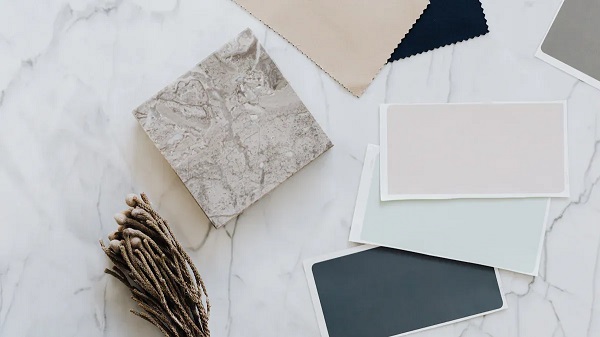
High pressure laminate, often referred to as hpl, features a multi-layered structure engineered for durability and versatility. Manufacturers produce hpl by saturating layers of kraft paper with phenolic resin, then fusing them under heat and pressure. This process creates a dense, resilient surface suitable for a wide range of environments. The thickness of hpl varies depending on its intended use. Most general-purpose hpl ranges from 0.028" to 0.048" (0.71 to 1.22 mm), while postforming types reach up to 0.038" (0.97 mm) for curved applications. Backer and special products serve specific needs, such as cabinet liners or chemical resistance.
Tip: The following table summarizes standard hpl types and their construction methods[1].
| Type of HPL | Thickness Range | Construction Method |
|---|---|---|
| General Purpose | 0.028" to 0.048" (0.71 to 1.22 mm) | Suitable for horizontal and vertical surface applications. |
| Postforming | Maximum 0.038" (0.97 mm) | Can be formed around curved edges by application of heat and restraint. |
| Backer | N/A | Produced without a decorative face, available as standard or regrind. |
| Special Products | N/A | Includes cabinet liners, high-wear, fire-rated, electrostatic dissipative, and chemical resistant laminates. |
HPL Features
Hpl stands out for its robust performance in demanding environments. The surface resists scratches, impacts, and stains, making it ideal for high-traffic areas. The multi-layer construction provides excellent moisture resistance, although hpl is not fully waterproof. Chemical resistance allows hpl to perform well in laboratories and healthcare settings[2]. Heat resistance up to 180 °C ensures stability in kitchens and workspaces.
Aesthetic versatility remains a key advantage, with hpl available in a wide range of colors and patterns, including popular options like white hpl. The surface inhibits bacterial growth, offers anti-static properties, and maintains color under UV exposure. Cleaning hpl is straightforward, contributing to its reputation for easy maintenance.
| Feature | Description |
|---|---|
| Durability | Exceptional durability, suitable for high-traffic areas. |
| Wear Resistance | Withstands daily use through rigorous wear resistance testing. |
| Chemical Resistance | Suitable for environments like laboratories and healthcare due to its resistance to chemicals. |
| Moisture Resistance | Multi-layer construction provides excellent moisture resistance. |
| Heat Resistance | Endures high temperatures, ideal for various applications. |
| Aesthetic Versatility | Available in various designs, mimicking materials like wood and stone. |
| Easy Maintenance | Surface is easy to clean and maintain, enhancing usability. |
Strong scratch and impact resistance
Infiltration resistance prevents water or liquid penetration
Hygienic properties inhibit bacterial growth
Light stability and UV ray resistance maintain color
High stain resistance, even considered anti-graffiti
Good heat resistance, up to 180 °C
Anti-static properties reduce dust attraction
Easy to clean and maintain
Versatile appearance mimics various materials
Economic convenience with a favorable quality/price ratio
HPL Applications
Designers and builders select hpl for a variety of settings. The material excels in kitchen countertops, where heat and stain resistance are essential. Office furniture, including workstations and desks, benefits from hpl's ability to withstand daily wear. Commercial spaces, such as shops and healthcare facilities, use hpl for wall paneling and furniture. Locker rooms and restrooms rely on hpl for moisture resistance in humid environments. Exterior cladding applications take advantage of hpl's weather resistance and UV protection.
While hpl offers many advantages, compact laminate provides even greater durability and moisture resistance for projects requiring self-supporting panels or exposure to water.
Note:White hpl remains a popular choice for modern interiors, offering a clean and versatile look.
Kitchen countertops
Office furniture
Commercial spaces
Locker rooms and restrooms
Exterior cladding
Looking for the Perfect Laminate Solution?
Our expert team can help you choose between HPL and Compact Laminate for your specific project needs. Get professional guidance and competitive pricing today.
Request a Quote NowCompact Laminate Overview

Compact Laminate Board Structure
Compact laminate stands out for its solid, self-supporting construction. Manufacturers produce these boards by layering decorative paper impregnated with melamine resin over multiple sheets of kraft paper saturated with phenolic resin. They press these layers under high temperature and pressure, resulting in a dense, durable panel. The thickness of compact laminate typically ranges from 4 mm to 25 mm, making it suitable for both vertical and horizontal applications. Leading brands such as Wilsonart, Tianrun, Greenlam, and Puricelli offer products within this range, each using a similar multi-layered approach.
| Manufacturer | Thickness Range | Structural Composition |
|---|---|---|
| Wilsonart | 1/10" to 1" | Decorative paper with melamine resin, kraft paper with phenolic resin |
| Tianrun | 1.5mm to 30mm | Colored decorative paper, kraft paper, melamine and phenolic resin |
| Greenlam | 4mm to 30mm | High pressure laminate boards |
| Puricelli | 4mm to 25mm | Kraft paper layers, decorative layers, melamine resins, protective layer |
Note: The double-sided durability of compact laminate allows for use in demanding environments where both surfaces require protection.
Compact Laminate Features
Compact laminate offers superior moisture resistance compared to hpl and high pressure laminate. The solid core prevents water infiltration, making it ideal for wet and humid environments[3]. The board resists impact, scratches, and chemicals, which ensures longevity in high-traffic areas. Its self-supporting nature eliminates the need for substrate backing, reducing installation complexity. The double-sided finish provides consistent appearance and protection on both faces. Manufacturers design exterior compact laminate board for outdoor use, offering enhanced UV stability and weather resistance.
Self-supporting structure for freestanding installations
Double-sided durability for consistent performance
Superior moisture resistance for wet areas
High impact and scratch resistance
Chemical and stain resistance for laboratory and healthcare settings
UV and weather resistance for exterior applications
Compact Laminate Applications
Designers and builders select compact laminate for a wide range of commercial and industrial projects. The material excels in environments that demand durability and low maintenance. Common applications include laboratory benchtops, restroom cubicles, office partitions, and lockers. Compact laminate also appears in public transport panels, airport wall panels, and outdoor kitchens. Furniture surfaces in retail and hospitality settings benefit from its robust performance. Exterior compact laminate board provides reliable solutions for outdoor cladding and countertops exposed to the elements.
| Application Type | Description |
|---|---|
| Laboratory Tops | Durable, chemical-resistant surfaces |
| Public Transport Panels | Long-lasting panels for buses and trains |
| Airport Wall Panels | Low-maintenance, high-traffic wall surfaces |
| Outdoor Kitchens | Weather-resistant countertops and surfaces |
| Restaurant Tables | Sturdy tabletops for hospitality |
| Restroom Cubicles | Moisture-resistant partitions |
| Office Partitions | Strong, attractive dividers |
| Lockers | Secure, impact-resistant storage |
Tip: Compact laminate provides a versatile solution for both interior and exterior projects, outperforming high pressure laminate in wet and high-impact environments.
Durability Comparison
Impact Resistance
Extreme durability defines both high pressure laminate and compact laminate, but their performance in impact resistance sets them apart. Compact laminate features a solid core that absorbs shocks from dropped objects or accidental bumps. This structure prevents dents and chips, even in environments where heavy equipment or frequent movement occurs. HPL, while robust, relies on its layered construction and substrate for strength. It resists scratches and minor impacts, but may show damage if exposed to repeated force or sharp blows.
Facility managers often choose compact laminate for locker rooms, laboratories, and public restrooms. They report fewer repairs and longer intervals between replacements. HPL remains a reliable choice for office furniture and decorative surfaces, where impact risk is lower. The durability comparison shows compact laminate excels in settings where impact resistance is critical.
Tip: For projects with frequent physical contact or risk of collision, compact laminate offers superior protection and extreme durability.
Longevity
Longevity plays a crucial role in material selection. Compact laminate maintains its appearance and structural integrity for years, even under constant use. Its dense composition resists warping, swelling, and delamination. High pressure laminate also demonstrates extreme durability, especially when installed on quality substrates. It withstands daily wear, cleaning, and exposure to sunlight without fading or losing its finish.
Users in commercial sectors value both materials for their long service life. Compact laminate often outlasts HPL in wet or high-impact environments. HPL provides excellent longevity in dry, moderate settings such as offices and retail counters. The durability comparison highlights that compact laminate delivers the longest lifespan in challenging conditions.
| Material | Expected Lifespan | Best Environments |
|---|---|---|
| Compact Laminate | 15+ years | Wet, high-impact, outdoor |
| High Pressure Laminate (HPL) | 10-15 years | Dry, decorative, moderate use |
High-Traffic Use
High-traffic areas demand materials with extreme durability and minimal maintenance. Both hpl and compact laminate receive positive feedback from facility managers and users in hospitality, retail, and transportation sectors. They note that these surfaces endure heavy foot traffic, frequent cleaning, and constant use without significant wear.
Both materials require little maintenance, saving time and costs.
Surfaces resist stains and scratches, maintaining a fresh appearance.
Compact laminate stands out in environments with moisture and frequent impacts.
HPL performs well in offices, shops, and reception areas.
The durability comparison confirms that compact laminate is the preferred choice for high-traffic areas exposed to moisture or physical stress. HPL remains a practical solution for decorative, cost-effective surfaces in busy but less demanding spaces.
Moisture Resistance
HPL in Humid Areas
High pressure laminate offers a practical solution for many interior surfaces, but its performance in humid environments requires careful consideration. Manufacturers design hpl to be moisture resistant, which means it can handle occasional spills or short-term humidity. However, product testing and warranty information reveal important limitations. Extended exposure to moisture may result in damage such as warping or delamination[4]. Facility managers often recommend using hpl in areas with controlled humidity, such as offices, retail counters, or dry kitchens. In spaces where moisture exposure is unpredictable or frequent, alternative materials may provide better long-term performance.
Tip: Always check the manufacturer's warranty and installation guidelines before specifying hpl for humid environments.
Compact Laminate in Wet Areas
Compact laminate stands out as the preferred choice for wet or moisture-prone areas. Its solid, non-porous core prevents water infiltration, making it highly effective in environments where moisture resistance is essential. Industry standards highlight several advantages of compact laminate in these settings.
Designers specify compact laminate for restrooms, locker rooms, laboratory benchtops, and exterior cladding. The material maintains its structural integrity and appearance even after years of exposure to water and humidity. Its durability and moisture resistance make it a reliable solution for both residential and commercial projects where wet conditions are unavoidable.
Design and Flexibility
Color and Pattern Options
Designers and architects value surface materials that offer creative freedom. Both high pressure laminate and compact laminate provide impressive versatility in color and pattern selection. Major suppliers deliver thousands of choices, allowing professionals to match any project vision.
HPL surfaces feature a wide range of designs, including solid colors, woodgrains, and abstract patterns.
Compact laminate also comes in a broad spectrum of finishes and patterns, supporting both classic and modern aesthetics.
Options include realistic wood and stone looks, geometric motifs, and vibrant solid hues.
This variety ensures that every space, from commercial offices to hospitality venues, can achieve a unique and appealing appearance. The ability to select from so many finishes helps designers create cohesive interiors or bold statement pieces.
Tip: When specifying materials for a project, review the supplier's catalog to explore the full palette of available colors and patterns.
Customization
Customization plays a crucial role in meeting specific project requirements. Manufacturers of both hpl and compact laminate offer panels in various formats, thicknesses, and structures. This flexibility allows for tailored solutions in residential, commercial, and industrial settings.
| Customization Aspect | Details |
|---|---|
| Size | Panels can be cut to any size required, including small dimensions for curved surfaces. |
| Shape | Can be profiled to any shape, such as circles, triangles, or custom edge profiles. |
| Finish | Edges are trimmed smooth, corners finished as requested, and backsides sanded for better bonding. |
Designers can request unique shapes and edge profiles to fit challenging layouts or create signature design elements. Both materials adapt well to custom installations, whether for curved reception desks or intricate wall panels. The ability to specify thickness and finish ensures extraordinary comfort of use in any space.
Available in multiple thicknesses and formats
Supports unique solutions for modern design needs
Provides consistent quality and appearance across custom applications
Compact laminate stands out for its self-supporting nature, making it ideal for freestanding partitions or furniture. High pressure laminate excels in decorative applications where a precise match to other surfaces is essential.
Note: Customization options allow both materials to meet the demands of innovative architecture and interior design.
Cost Factors
Material Price
Material price plays a significant role in any cost comparison between high pressure laminate and compact laminate. High pressure laminate typically offers a more budget-friendly option for projects that require decorative surfaces without extreme durability. Manufacturers produce hpl in thinner sheets, which reduces material costs. Compact laminate, on the other hand, features a thicker, self-supporting core. This construction increases the price per square foot. Buyers often see compact laminate as an investment for areas that demand superior strength and moisture resistance.
When evaluating material price, project managers should consider the intended application. For large-scale commercial projects, the cost comparison may favor hpl for wall panels or office furniture. Compact laminate justifies its higher price in environments like laboratories, restrooms, or exterior cladding, where performance outweighs initial expense.
Installation Cost
Installation cost varies based on the material's structure and the complexity of the project. High pressure laminate requires bonding to a substrate, such as MDF or particleboard. This process involves additional labor and adhesive costs. Installers must ensure a smooth, even surface to prevent bubbling or delamination. Compact laminate, with its solid core, can be installed directly as a self-supporting panel. This feature often reduces installation time and labor expenses, especially for partitions or cubicles.
A quick cost comparison shows that while hpl may have a lower material price, the total installed cost can rise due to substrate preparation and finishing. Compact laminate's ease of installation can offset its higher material price, particularly in projects with tight deadlines or limited labor resources.
| Feature | High Pressure Laminate (HPL) | Compact Laminate (CPL) |
|---|---|---|
| Material Price | Lower | Higher |
| Installation Cost | Higher (requires substrate) | Lower (self-supporting) |
Long-Term Value
Long-term value depends on durability, maintenance, and replacement frequency. High pressure laminate can last over a decade, with some homeowners reporting lifespans of 15 to 20 years before needing replacements. Compact laminate delivers even greater longevity in harsh or wet environments, reducing the need for frequent repairs.
Facility managers often weigh the cost comparison by factoring in maintenance and replacement. Compact laminate resists water, impact, and chemicals, which lowers the risk of damage in demanding spaces. Hpl performs well in dry, moderate-use areas, offering a balance of affordability and style.
| Feature | High Pressure Laminate (HPL) | Compact Laminate (CPL) |
|---|---|---|
| Durability | More durable, suitable for high-traffic areas | Less durable, may require more frequent replacements |
| Maintenance Cost | Lower over time | Higher due to shorter lifespan |
| Installation Cost | Higher initial cost | Budget-friendly, easier to install |
Project owners should assess the total lifecycle cost, not just the upfront price. Compact laminate may cost more initially, but its resilience can lead to savings over time in high-impact or wet environments. Hpl remains a smart choice for decorative, cost-effective surfaces where extreme durability is not required.
Need Help Calculating Your Project Costs?
Contact our team for a detailed cost analysis comparing HPL and Compact Laminate options tailored to your specific requirements.
Get Free ConsultationMaintenance
Cleaning
Proper cleaning extends the life of both high pressure laminate and compact laminate surfaces. Manufacturers recommend a simple, effective routine for daily care. Users should start by wiping the surface with a clean, damp, nonabrasive cotton cloth and a mild liquid detergent or household cleaner. They should clean the soiled area using a gentle, rotating motion. After cleaning, rinse the surface with clean water, again using a non-abrasive cotton cloth. It is important not to flood the laminate with water. Finally, dry the surface thoroughly with a soft, clean, non-abrasive cotton cloth. This method prevents streaks and maintains the original finish.
For tougher stains, users can apply acetone, rubbing alcohol, or ethanol with a damp cloth or sponge. Rubbing in circular motions helps lift stubborn marks. If a stain persists, a nylon bristle brush may be used for extra cleaning power. These steps work well for both hpl and compact laminate, ensuring surfaces remain hygienic and attractive.
Tip: Always avoid abrasive pads or harsh chemicals, as these can damage the decorative layer and reduce the lifespan of the material.
Stain Resistance
Both high pressure laminate and compact laminate offer excellent stain resistance. Their non-porous surfaces prevent liquids and dirt from penetrating the material. Everyday spills, such as coffee, ink, or food, can be wiped away easily. In commercial kitchens and laboratories, this feature proves especially valuable. Users find that most stains do not set if cleaned promptly. Even in high-traffic areas, the surfaces retain their appearance with minimal effort.
Compact laminate excels in environments where exposure to chemicals or dyes is common. Its dense core and double-sided finish provide an extra layer of protection. High pressure laminate also resists most household and commercial stains, making it suitable for offices, schools, and healthcare settings.
Note: Immediate cleaning of spills ensures the best results and preserves the surface's original look.
Repair
Minor damage can occur over time, even with durable materials. High pressure laminate may develop small scratches or chips if exposed to sharp objects. Compact laminate, with its solid core, resists deeper gouges but can still show surface marks after heavy impact. For light scratches, users can apply a laminate repair paste or a color-matched wax stick. These products fill in the damaged area and restore the surface's appearance.
Deeper damage, such as cracks or large chips, may require professional repair or panel replacement. Compact laminate panels are often easier to replace due to their self-supporting nature. High pressure laminate repairs may involve patching or resurfacing the affected area. Regular maintenance and prompt attention to minor issues help extend the lifespan of both materials.
Tip: For best results, consult the manufacturer's repair guidelines or seek professional assistance for significant damage.
Applications
Compact Laminate Worktops
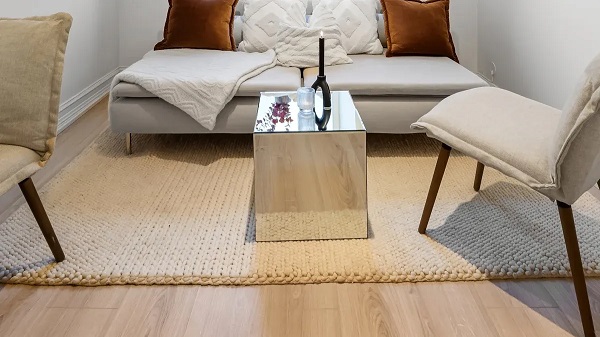
Compact laminate worktops deliver exceptional performance in both commercial and residential environments. Designers and builders select these surfaces for their ability to withstand daily wear, heat, and moisture. Compact laminate worktops excel in kitchens, where stain resistance and easy cleaning are essential. Homeowners appreciate the versatility of laminate worktops, which can be cut and installed in a variety of designs. In washrooms, compact laminate worktops resist water and maintain their appearance over time.
Laminate worktops provide a hygienic surface for food preparation.
Compact laminate worktops handle hot pans and sharp utensils without damage.
Many homeowners choose laminate worktops for splashbacks, combining style and practicality.
Compact laminate worktops offer a modern look for islands and breakfast bars.
Laminate worktops remain popular in utility rooms due to their durability.
Compact laminate worktops support under-mount sinks, creating seamless finishes.
Laminate worktops resist stains from coffee, wine, and household chemicals.
Compact laminate worktops require minimal maintenance, saving time for busy families.
Laminate worktops come in a wide range of colors and textures.
Compact laminate worktops suit both contemporary and traditional interiors.
Laminate worktops provide a cost-effective solution for high-traffic areas.
| Application Area | Description |
|---|---|
| Kitchen and Bathroom | Used for countertops due to durability and moisture resistance. |
| Cabinets and Storage | Ideal for areas requiring both durability and style. |
| Wall Cladding | Suitable for both interior and exterior applications, providing aesthetic appeal and weather resistance. |
| Furniture | Versatile for crafting tables, chairs, and shelving units. |
| Public Restrooms | Excellent choice for toilet and shower partitions due to resistance to vandalism. |
| Commercial Settings | Frequently used in restaurants and hotels for its combination of style and durability. |
| Educational Institutions | Preferred for desks and tables in high-traffic areas like schools and universities. |
Compact Laminate Board Uses
Compact laminate board supports a wide range of applications in various settings. Architects specify compact laminate board for public spaces such as airports, train stations, and bus terminals. These environments demand surfaces that resist wear, require little maintenance, and offer a noncombustible solution. Compact laminate board provides seating, information counters, and wall cladding that withstand constant use.
In industrial facilities, compact laminate board serves as workbenches, storage units, and partition walls. The material's chemical resistance and longevity make it ideal for laboratories and manufacturing plants. Compact laminate board also appears in educational institutions, where desks and tables must endure heavy use.
| Application Area | Specific Uses | Requirements |
|---|---|---|
| Public Spaces | Airports, train stations, bus terminals for seating, information counters, etc. | Wear and Tear, Maintenance, Noncombustible, Aesthetic |
| Industrial Facilities | Workbenches, storage units, partition walls | Chemical Resistance, Longevity |
Compact laminate board adapts to both interior and exterior projects. Designers use compact laminate board for wall cladding, restroom cubicles, and even outdoor furniture. Compact laminate board maintains its structural integrity in humid or wet environments, making it a preferred choice for challenging locations. Compact laminate board also supports creative designs, as it can be cut into custom shapes and profiles.
HPL Use Cases
High pressure laminate, often called hpl, remains a top choice for decorative surfaces in interior projects. Hpl offers moderate durability and cost-effectiveness, making it suitable for furniture, cabinetry, and wall panels. Designers select hpl for its aesthetic versatility, as it comes in a vast array of colors, patterns, and textures. Hpl works well in offices, retail spaces, and residential interiors where style and affordability matter.
| Scenario | High Pressure Laminate (HPL) | Compact Laminate |
|---|---|---|
| Aesthetic Versatility | Preferred for interior applications | Less focus on aesthetics |
| Durability | Moderate durability, suitable for indoor use | Superior durability for high-traffic |
| Cost-Effectiveness | Generally more cost-effective for projects | Higher cost due to robust features |
| Moisture Resistance | Suitable for moderate moisture exposure | Excellent moisture resistance |
| Impact Resistance | Moderate impact resistance | High impact resistance |
| Ideal Use | Furniture, cabinetry, walls | High-traffic areas, outdoor environments |
Hpl surfaces appear in educational settings, such as desks and lockers, where moderate durability suffices. In commercial environments, hpl covers reception counters and display units. Hpl also finds use in residential cabinetry, closet doors, and shelving. The material's easy maintenance and design flexibility ensure its continued popularity for applications in various settings.
Note: Project managers often compare hpl and compact laminate board to determine the best fit for specific applications in various settings.
How to Choose
Project Needs
Every project has unique requirements. The right laminate depends on the intended use, the environment, and the desired appearance. For kitchen surfaces, users often prioritize durability, hygiene, and ease of cleaning. In high-traffic commercial spaces, structural stability and long-term performance matter most.
Designers should consider the following factors:
Moisture Exposure: Kitchen surfaces and bathrooms face frequent spills and humidity. Compact laminate offers superior moisture resistance and structural stability in these settings.
Impact and Wear: Areas like school labs or public restrooms require surfaces that can withstand heavy use. Compact laminate provides a long lasting solution due to its dense core and double-sided durability.
Aesthetic Goals: For projects where design flexibility is key, hpl delivers a wide range of colors and patterns. This makes it ideal for decorative kitchen surfaces and office furniture.
Budget Constraints: High pressure laminate suits projects with tight budgets. It provides quality and style at a lower material price, especially for vertical applications.
Installation Needs: Compact laminate works well for self-supporting partitions or countertops. Hpl requires a substrate, which can add to installation time and cost.
Tip: Identify the most critical needs for your project before selecting a laminate. This ensures the chosen material delivers the required stability and quality.
Checklist
A clear checklist helps project managers and homeowners make informed decisions. Use the following guide to compare options for kitchen surfaces and other applications:
Where will the laminate be used?
Kitchen surfaces, bathrooms, office furniture, or exterior cladding?Will the area face frequent moisture or spills?
Compact laminate provides better structural stability in wet environments.Is impact resistance a priority?
Compact laminate offers higher stability and durability for high-traffic zones.How important is design variety?
Hpl excels in decorative flexibility, making it one of the best applications for hpl.What is the budget for materials and installation?
High pressure laminate delivers quality at a lower cost, while compact laminate justifies higher investment with greater stability.Does the project require self-supporting panels?
Compact laminate eliminates the need for a substrate, simplifying installation.How long should the surface last?
Compact laminate ensures a long lasting solution in demanding environments.
| Decision Factor | HPL (High Pressure Laminate) | Compact Laminate |
|---|---|---|
| Moisture Resistance | Moderate (not waterproof) | Excellent (ideal for kitchen surfaces) |
| Structural Stability | Depends on substrate | High (self-supporting) |
| Design Flexibility | Wide range of colors/patterns | Good, but less than HPL |
| Installation | Needs substrate | Direct installation |
| Cost | Lower | Higher |
| Best Applications | Decorative, dry, moderate-use areas | Wet, high-impact, high-traffic areas |
Note: Review this checklist with your contractor or designer to ensure all project needs are addressed.
When to Consult
Some projects require expert input to guarantee the best results. Consulting a professional ensures the selected laminate meets all technical and aesthetic requirements.
Consider seeking advice in these situations:
The project involves custom kitchen surfaces with complex shapes or integrated sinks.
The installation area faces extreme humidity, heavy impacts, or outdoor exposure.
The design calls for unique edge profiles or seamless transitions between surfaces.
The project must meet strict hygiene or fire safety standards.
There is uncertainty about the best applications for hpl or compact laminate.
A qualified supplier or installer can assess the site, recommend the right product, and provide samples. They can also explain the differences in structural stability and maintenance for each laminate type.
Professional consultation helps avoid costly mistakes and ensures the finished project delivers lasting quality and stability.
HUAJIALE Solutions
Why HUAJIALE
HUAJIALE stands as a leader in the high-pressure surface materials industry. The company delivers advanced high-pressure solutions for demanding environments. Their product line includes high pressure laminate, compact laminate, and hpl, each engineered for exceptional performance. HUAJIALE uses high-pressure manufacturing processes to ensure every panel meets strict quality standards. The company's high-pressure laminates offer outstanding durability, making them ideal for high-traffic areas.
HUAJIALE's high-pressure products excel in healthcare and laboratory settings. Their high-pressure panels resist chemicals, stains, and impacts. This makes them suitable for laboratory benches, hospital counters, and healthcare furniture. The high-pressure core structure provides superior moisture and heat resistance, which is critical for laboratory and healthcare environments. HUAJIALE's high-pressure compact laminate panels also perform well in public restrooms, kitchens, and educational facilities.
HUAJIALE's high-pressure expertise ensures reliable results for every project.
Clients choose HUAJIALE for several reasons:
High-pressure product consistency and quality control
Wide range of high-pressure colors, textures, and finishes
Custom high-pressure solutions for unique project needs
Fast delivery and responsive technical support
Proven track record in healthcare, laboratory, and commercial projects
| Feature | HUAJIALE High-Pressure Solutions |
|---|---|
| Durability | High-pressure panels resist wear |
| Moisture and Heat Resistance | High-pressure core prevents swelling |
| Chemical Resistance | High-pressure surface for laboratory |
| Design Flexibility | High-pressure finishes for any style |
| Hygiene | High-pressure panels for healthcare |
For high-pressure projects in laboratory, healthcare, or commercial environments, HUAJIALE delivers solutions that last.
HUAJIALE's commitment to high-pressure innovation and customer satisfaction sets them apart. Their high-pressure compact laminate and high-pressure laminate products provide the moisture and heat resistance needed for modern spaces. Choose HUAJIALE for high-pressure reliability and expert support.
Choosing between high pressure laminate and compact laminate depends on project needs. The table below highlights key differences:
| Factor | High-Pressure Laminate (HPL) | Compact Laminate Board |
|---|---|---|
| Durability | Good durability, less impact resistance | Excellent durability, high impact resistance |
| Moisture Resistance | Moisture-resistant, but less than compact laminate | Superior moisture resistance, ideal for wet environments |
| Design Flexibility | Wide range of colors, patterns, and textures | Limited design options compared to HPL |
| Cost | Generally more cost-effective | Typically more expensive than HPL |
Hpl laminate sheets offer design flexibility and cost savings for decorative spaces. Compact laminate suits wet or high-impact areas. Project managers should review the checklist to select the right hpl laminate sheets. For reliable hpl laminate sheets, HUAJIALE provides expertise and quality.
FAQ
What is the main difference between high pressure laminate and compact laminate?
High pressure laminate uses a thinner construction and requires a substrate. Compact laminate features a solid, self-supporting core. Compact laminate offers greater durability and moisture resistance than high pressure laminate.
Can high pressure laminate be used in wet environments?
High pressure laminate resists moisture but does not perform well in constant wet conditions. Compact laminate provides superior water resistance, making it the preferred choice for bathrooms, kitchens, and locker rooms.
Which material is better for high-traffic areas?
Compact laminate withstands heavy use and frequent impacts. High pressure laminate suits moderate-traffic spaces like offices or retail counters. Facility managers often select compact laminate for public restrooms and schools.
Is compact laminate more expensive than high pressure laminate?
Compact laminate generally costs more due to its solid core and enhanced durability. High pressure laminate offers a budget-friendly solution for decorative surfaces and projects with lower performance requirements.
How do you clean high pressure laminate and compact laminate surfaces?
Both high pressure laminate and compact laminate clean easily with a damp cloth and mild detergent. Avoid abrasive pads or harsh chemicals. Immediate cleaning of spills helps maintain the surface's appearance.
Can compact laminate be customized for unique designs?
Manufacturers offer compact laminate in various thicknesses, shapes, and finishes. Designers can request custom profiles and edge treatments. High pressure laminate also supports a wide range of colors and patterns.
Which material lasts longer in outdoor applications?
Compact laminate provides excellent longevity outdoors due to its UV and weather resistance. High pressure laminate works best indoors or in areas with limited exposure to moisture and sunlight.
Are both high pressure laminate and compact laminate suitable for kitchen countertops?
Both materials work for kitchen countertops. Compact laminate offers better moisture resistance and durability. High pressure laminate provides more design options and cost savings for decorative kitchen surfaces.
References
Composite Panel Association - High Pressure Laminates: https://www.compositepanel.org/products/decorative-surfaces/high-pressure-laminates/
National Center for Biotechnology Information - Laminate Surfaces in Healthcare: https://www.ncbi.nlm.nih.gov/pmc/articles/PMC7567769/
Building Research Establishment - Moisture Resistance Standards: https://www.bregroup.com/insights/moisture-control-construction/
National Institute of Standards and Technology - Material Performance Testing: https://www.nist.gov/topics/materials-science


 Contact Us
 Online Sales
 Case Study
 News Center
 Product Brochure


