


What Is High-Pressure Laminate: The Ultimate Guide to Durable Surface Solutions

High-pressure laminate stands as one of the most versatile and durable surface materials in modern construction and design. This engineered material offers exceptional performance across residential, commercial, and industrial applications, combining aesthetic appeal with remarkable durability. Understanding what makes high-pressure laminate unique helps designers, architects, and building professionals select the right surfacing solution for their projects.
Key Takeaways
• High pressure laminate provides superior durability through its multi-layer construction and specialized manufacturing process.
• The material offers excellent resistance to wear, moisture, chemicals, and heat, making it suitable for demanding environments.
• Proper selection and installation of high pressure laminate systems ensure long-term performance and cost-effectiveness.
• Various grades and finishes are available to meet specific application requirements, from furniture to architectural surfaces.
• Understanding technical specifications helps professionals choose the optimal high pressure laminate solution.
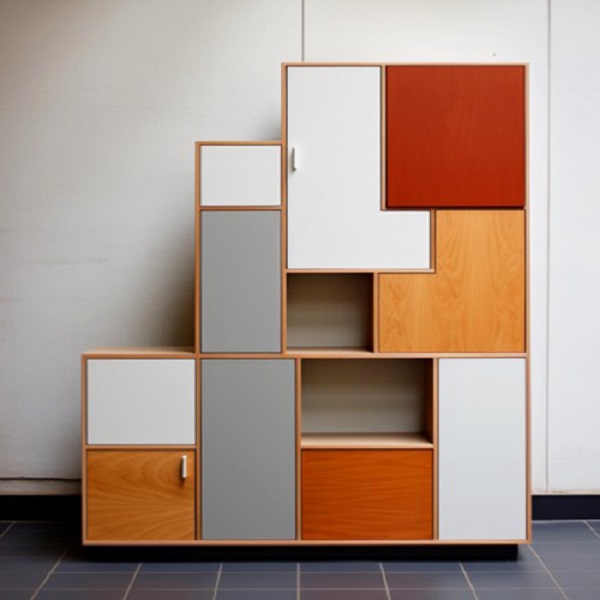
High Pressure Laminate Overview
What Is High Pressure Laminate?
High pressure laminate is a composite material manufactured by layering multiple sheets of kraft paper saturated with phenolic resin, topped with decorative paper and a protective overlay. The entire assembly undergoes compression at pressures exceeding 1,000 PSI (5.0 MPa) while subjected to temperatures around 300°F (150°C). This intense manufacturing process creates a thermoset plastic surface that delivers exceptional durability and performance characteristics.
The manufacturing process follows strict industry standards, including NEMA LD-3 specifications in North America and European EN 438 standards. These guidelines ensure consistent quality and performance across different manufacturers and product lines.
Note:High pressure laminate differs from low-pressure alternatives through its specialized manufacturing process, resulting in superior durability and performance characteristics suitable for demanding applications.
Industry professionals recognize several key advantages of high pressure laminate systems:
| Property | Benefit | Application Impact |
| Wear Resistance | Extended service life | Reduced replacement costs |
| Chemical Resistance | Protection against stains and spills | Easy maintenance and cleaning |
| Heat Resistance | Thermal stability up to 356°F | Suitable for kitchen and industrial use |
| Impact Resistance | Damage prevention from normal use | Lower repair and replacement frequency |
How High Pressure Laminate Works
The performance of high pressure laminate stems from its sophisticated layered construction. Each component serves a specific function in the overall system:
Core Structure:
• Multiple kraft paper layers provide a structural foundation and thickness.
• Phenolic resin impregnation creates water resistance and dimensional stability.
• The core typically consists of 6-8 paper layers for standard applications.
Surface Assembly:
• Decorative paper layer provides color, pattern, and design elements
• Melamine-formaldehyde overlay offers surface protection and durability
• Special texturing during pressing creates the desired surface finish
The curing process transforms these individual components into a unified material with properties superior to any single element. This transformation occurs through cross-linking of thermosetting resins under controlled temperature and pressure conditions.
Modern high pressure laminate manufacturing incorporates advanced quality control measures throughout production. Temperature monitoring, pressure verification, and timing precision ensure consistent results batch after batch. Many manufacturers also employ automated systems to minimize human error and maintain strict tolerances.
Components and Construction
Material Composition
High pressure laminate construction relies on carefully selected raw materials, each contributing specific properties to the finished product. The kraft paper core uses high-quality cellulose fibers that provide tensile strength and dimensional stability. Phenolic resins offer excellent adhesion properties and create the waterproof barrier essential for long-term performance.
The decorative layer utilizes specialized printing papers capable of withstanding high-temperature processing while maintaining color integrity. These papers often incorporate advanced printing technologies to achieve realistic wood grains, stone textures, and contemporary patterns.
Surface Protection Systems:
Modern high pressure laminate incorporates sophisticated overlay technologies:
• Clear melamine overlay provides scratch and stain resistance
• Specialized treatments enhance antimicrobial properties
• UV-resistant formulations prevent color fading
• Textured surfaces improve slip resistance and aesthetic appeal
Manufacturing Process Standards
High pressure laminate production follows rigorous industry standards that ensure consistent quality and performance. The NEMA LD-3 standard establishes minimum requirements for various performance characteristics, including wear resistance, boiling water resistance, and dimensional stability.
European manufacturers typically follow EN 438 standards, which provide similar performance benchmarks while accommodating regional material preferences and environmental regulations. Both standard systems require extensive testing to verify compliance with specified performance criteria.
Quality control measures throughout manufacturing include:
• Raw material inspection and testing
• Process parameter monitoring and documentation
• Finished product performance verification
• Batch tracking for quality assurance
Performance Characteristics
Durability and Resistance Properties
High pressure laminate delivers exceptional performance across multiple demanding criteria. Wear resistance testing demonstrates the material's ability to withstand daily use in high-traffic environments. Standard testing methods simulate years of normal use through accelerated wear procedures.
Chemical resistance properties make high pressure laminate suitable for laboratories, healthcare facilities, and food service applications. The material maintains its appearance and structural integrity when exposed to common cleaning agents, food acids, and industrial chemicals.
Temperature Performance:
• Heat resistance up to 356°F (180°C) for brief contact
• Dimensional stability across normal temperature ranges
• Thermal shock resistance prevents cracking and delamination
• Cold temperature performance maintains flexibility
Surface Finish Options
High pressure laminate offers extensive design flexibility through various surface treatments and finishes. Textured surfaces provide both aesthetic appeal and functional benefits, including improved slip resistance and reduced fingerprint visibility.
Common Surface Categories:
• Smooth finishes for contemporary applications
• Textured surfaces mimicking natural materials
• Structured finishes providing tactile interest
• Specialized surfaces for specific performance requirements
The manufacturing process allows for precise texture control, creating surfaces that closely replicate natural materials while providing superior performance characteristics. Advanced printing technologies enable photo-realistic patterns that satisfy demanding aesthetic requirements.
Applications and Use Cases
Commercial Applications
High pressure laminate serves diverse commercial applications where durability and appearance quality are essential. Office furniture systems utilize the material for work surfaces, filing cabinets, and architectural elements. The combination of aesthetic flexibility and performance reliability makes it ideal for corporate environments.
Healthcare facilities benefit from high pressure laminate's antimicrobial properties and chemical resistance. Laboratory countertops, nurse stations, and patient room furniture incorporate the material for its ability to withstand rigorous cleaning protocols while maintaining an attractive appearance.
Hospitality Industry Uses:
• Hotel furniture and fixtures
• Restaurant tables and countertops
• Retail display systems
• Public space architectural elements
Residential Applications
Homeowners appreciate high pressure laminate for its combination of beauty and practicality. Kitchen countertops represent a major application area, where the material provides an affordable alternative to stone surfaces while delivering excellent performance.
Bathroom applications take advantage of the material's moisture resistance and easy maintenance characteristics. Vanity tops, wall panels, and storage systems benefit from high pressure laminate's ability to withstand humid conditions without degradation.
Modern high pressure laminate designs closely replicate premium materials, allowing homeowners to achieve desired aesthetic goals within reasonable budgets. Advanced manufacturing techniques create realistic textures and patterns that satisfy contemporary design preferences.
Selection and Specification
Grade Classifications
High pressure laminate manufacturers offer various grades designed for specific applications and performance requirements. General-purpose grades provide excellent performance for standard furniture and architectural applications, while specialized grades offer enhanced properties for demanding environments.
Standard Grade Categories:
• HGS (Horizontal Grade Standard): For horizontal surfaces with moderate wear
• HGP (Horizontal Grade Postforming): For curved and formed applications
• VGS (Vertical Grade Standard): For vertical surfaces with lower wear requirements
• Specialty grades for specific performance criteria
Understanding grade classifications helps specifiers select appropriate materials for intended applications. Higher grades typically incorporate additional core layers or specialized surface treatments to achieve enhanced performance characteristics.
Environmental Considerations
Modern high pressure laminate manufacturing emphasizes environmental responsibility through sustainable practices and material selection. Many manufacturers use recycled content in core layers while maintaining performance standards.
Low-emission formulations minimize volatile organic compound (VOC) release, supporting healthy indoor air quality. GREENGUARD certification and similar programs verify compliance with strict emission standards for sensitive environments like schools and healthcare facilities.
Sustainability Features:
• Recycled content in core construction
• Low-formaldehyde adhesive systems
• End-of-life recyclability programs
• Energy-efficient manufacturing processes
Installation and Maintenance
Installation Requirements
Proper installation ensures optimal high pressure laminate performance throughout its service life. Substrate preparation requires flat, dry, and structurally sound surfaces to prevent telegraphing and adhesive failure. Professional installation typically delivers better results and warranty protection.
Adhesive selection plays a critical role in long-term performance. Contact cements provide immediate bond strength, while water-based alternatives offer environmental advantages. Application temperature and humidity conditions affect curing and final bond quality.
Installation Best Practices:
• Verify substrate flatness and moisture content
• Select appropriate adhesive for application conditions
• Follow manufacturer's recommended installation procedures
• Allow proper curing time before use
Maintenance Guidelines
High pressure laminate requires minimal maintenance to preserve its appearance and performance characteristics. Regular cleaning with mild detergents removes surface contaminants without damaging the protective overlay. Avoiding abrasive cleaners and harsh chemicals prevents surface damage and maintains warranty coverage.
Routine Maintenance Steps:
• Clean spills promptly to prevent staining
• Use appropriate cleaning products for the surface type
• Inspect regularly for damage or wear
• Address issues promptly to prevent progression
When selecting a high pressure laminate supplier, building professionals should evaluate manufacturing capabilities, quality certifications, and technical support resources. Reputable suppliers provide comprehensive product documentation, installation guidelines, and warranty programs that protect the investment in quality surfacing materials.
FAQ
What makes high pressure laminate different from other laminate types?
High pressure laminate undergoes manufacturing at pressures exceeding 1,000 PSI with multiple kraft paper layers, creating superior durability compared to low-pressure alternatives. The intensive manufacturing process produces a thermoset plastic surface with enhanced wear, chemical, and heat resistance properties.
How long does high pressure laminate typically last in commercial applications?
When properly selected and installed, high pressure laminate can provide 15-25 years of service in commercial environments. Actual lifespan depends on traffic levels, maintenance practices, and specific application conditions. High-grade products in moderate-use applications often exceed expected service life.
Can high pressure laminate be repaired if damaged?
Minor surface scratches can sometimes be minimized through professional polishing techniques, but significant damage typically requires panel replacement. The modular nature of many installations allows for selective replacement without affecting adjacent surfaces.
What environmental certifications should specifiers look for?
GREENGUARD Gold certification verifies low chemical emissions for sensitive environments. FSC certification indicates responsible forestry practices in raw material sourcing. LEED contribution points may be available through various sustainability attributes.
How do you choose between different surface textures?
Surface texture selection depends on aesthetic preferences, slip resistance requirements, and maintenance considerations. Smooth surfaces offer easy cleaning but may show fingerprints more readily. Textured surfaces provide better slip resistance and hide minor surface imperfections.
CATEGORIES:


 Contact Us
 Online Sales
 Case Study
 News Center
 Product Brochure


