


A Complete Guide to Answer All Questions About the Compact Laminate Sheet

In today's construction and interior design industry, Compact Laminate Sheet has emerged as one of the most versatile and durable materials available. Whether professionals are planning commercial projects or homeowners are considering renovation options, understanding Compact Laminate Sheet is essential for making informed decisions. This comprehensive guide addresses the most frequently asked questions about Compact Laminate Sheet, providing clear answers to help readers navigate their material selection process.
Bookmarks
Here is a Table of Contents to Help You Quickly and Accurately Find the Information You Seek!
What is Compact Laminate?
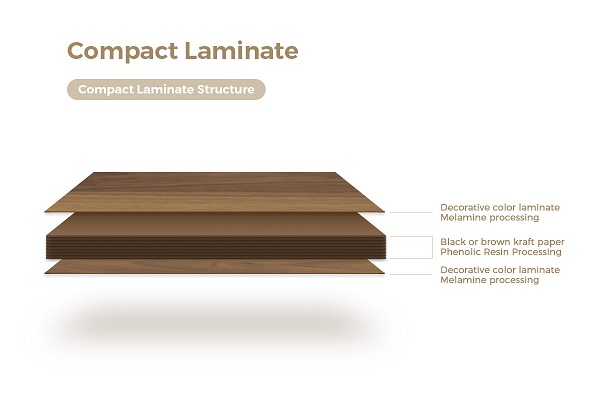
Compact laminate is a self-supporting, high-pressure decorative laminate panel manufactured by fusing multiple layers under extreme heat and pressure.
Manufacturing process:
Multiple layers of kraft paper impregnated with phenolic resin
Decorative surface papers treated with melamine resin
Subjected to over 1,000 tons pressure at high temperatures
Creates solid, homogeneous material with exceptional structural integrity
Key characteristics:
Self-supporting structure requiring no substrate backing
Available thickness range from 2mm to 25mm
Dense, non-porous surface resists moisture penetration
Superior resistance to chemicals and bacterial growth
Suitable for both structural and decorative applications
Maintains dimensional stability under varying conditions
For detailed manufacturing standards and specifications, refer to the International Building Code fire protection requirements.
Question 2
Is Compact Laminate Any Good?
Yes, Compact laminate is an excellent material offering superior performance characteristics for demanding commercial and residential applications.
Durability advantages:
Impact resistance up to 20 joules without cracking or delamination
Significantly outperforms standard laminated panels in stress tests
Withstands heavy foot traffic and daily wear without degradation
Scratch resistance superior to most conventional materials
Chemical and hygiene benefits:
Excellent resistance to household cleaners and industrial solvents
Non-porous surface prevents bacterial growth and odor absorption
Ideal for food preparation areas, laboratories, and healthcare facilities
Easy cleaning and sanitization with standard disinfectants
Stain resistance against common spills and substances
Safety and performance features:
Many products meet Class A fire safety ratings
Low smoke generation during fire exposure
Consistent performance across wide temperature ranges
UV resistance prevents color degradation and surface chalking
According to industry analysis, HPL laminate contains 70% paper made from wood fiber, which is composed of 50% naturally captured carbon, making the material naturally Climate Positive.
Dense, non-porous surface effectively repels liquid penetration
Withstands humidity levels up to 85% without dimensional changes
No surface degradation from moisture exposure under normal conditions
Superior moisture performance compared to traditional wood-based materials
Excellent performance in bathrooms, kitchens, and laundry areas
Face surfaces provide outstanding moisture protection
Suitable for commercial wet areas like restrooms and food service
Maintains structural integrity in high-humidity environments
Exposed edges may require sealing in extreme wet conditions
Professional edge banding recommended for maximum protection
Extended submersion or standing water can cause moisture infiltration
Proper installation techniques crucial for wet area applications
Some manufacturers offer enhanced moisture-resistant grades
Carbide-tipped circular saw blades with 80-100 fine teeth
Sharp utility knives for scoring thinner panels (under 6mm)
Fine-tooth jigsaw blades for curved cuts and intricate shapes
Router with carbide bits for decorative edges and profiles
Always cut face-down with circular saws to prevent visible chipping
Score cutting lines lightly before making full cuts
Maintain steady, consistent pressure throughout cutting process
Support material adequately to prevent flexing and vibration
Use sacrificial backing boards to minimize tear-out damage
Wear safety glasses and dust masks due to fine particle generation
Ensure adequate ventilation or use dust collection systems
Allow cutting blades to reach full operational speed before cutting
Secure workpiece properly to prevent movement during cutting
Keep cutting tools sharp to prevent overheating and material melting
Use sharp carbide-tipped drill bits at moderate speeds
Prevent overheating that can melt resin and cause rough holes
Back up drilling areas to prevent exit tear-out
Cool bits periodically during extended drilling operations
UV protection systems: Advanced UV-stable resins and pigments resist photodegradation from solar radiation
Color stability performance: Maintains color integrity for 10-15 years under direct sunlight exposure with minimal fading
Surface integrity: Resistant to chalking, cracking, and surface degradation from UV radiation and weather cycling
Accelerated weathering testing: Passes 2,000+ hours of ASTM G155 xenon arc testing without significant degradation
Fade resistance ratings: Class 4-5 light fastness ratings per ISO 105-B02 standards for premium exterior grades
Thermal range: Exceptional stability from -40°C to 82°C (-40°F to 180°F) without dimensional changes
Thermal cycling resistance: Withstands daily temperature fluctuations of 40-50°C without warping or cracking
Expansion coefficients: 0.020-0.028 mm/m/°C thermal expansion compatible with most mounting systems
Freeze-thaw performance: Maintains structural integrity through repeated freeze-thaw cycles
Heat reflection properties: Light colors reflect significant solar heat, reducing surface temperatures
Water absorption: Less than 0.5% for exterior grades after prolonged moisture exposure
Hydrolytic stability: Resin system resists degradation from extended moisture contact
Vapor permeability: Controlled vapor transmission prevents moisture buildup behind cladding systems
Coastal environment performance: Excellent resistance to salt spray and marine conditions
Acid rain resistance: Maintains surface integrity in polluted urban environments
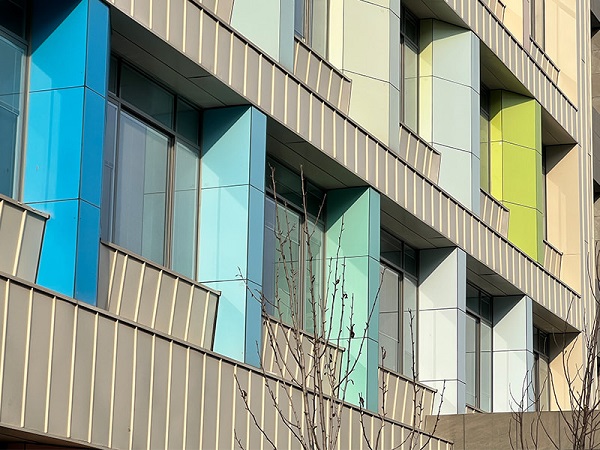
Architectural facades: Ventilated rainscreen systems, curtain wall panels, and building cladding
Exterior signage: Dimensional letters, display panels, and wayfinding systems
Marine applications: Boat interiors, dock surfaces, and marine structure components
Recreational facilities: Playground equipment, park furniture, and sports facility surfaces
Transportation: Bus shelters, train station cladding, and transit infrastructure
Industrial applications: Equipment enclosures, utility structures, and process facility cladding
Substrate preparation: Proper moisture barriers, insulation, and structural support systems
Mounting systems: Thermally compensated fastening systems designed for panel movement
Edge sealing: Comprehensive weatherproofing using structural sealants and gasket systems
Drainage design: Proper water management prevents standing water and ice formation
Ventilation planning: Air circulation behind panels prevents moisture accumulation
Professional installation: Certified installers familiar with exterior cladding requirements
Weather testing: Real-world exposure testing in multiple climate zones validates long-term performance
Warranty coverage: 10-15 year warranties standard for exterior applications with proper installation
Maintenance requirements: Annual inspection and cleaning sufficient for most applications
Repair procedures: Localized damage can be repaired without full panel replacement
Standard grades: $3-8 per square foot for basic applications
Premium decorative surfaces: $10-15+ per square foot
Specialty grades (fire-rated, exterior): $12-20+ per square foot
Custom patterns and finishes command premium pricing
Thicker panels cost 40-60% more than thinner versions
6mm panels: baseline pricing for most applications
12mm panels: 40-50% premium over 6mm versions
20mm+ architectural grades: highest pricing tier
Basic solid colors: most economical option
Standard wood grains: moderate price increase
Exotic patterns and textures: 25-50% premium
Metallic finishes and custom designs: highest cost category
Digital printing capabilities enable unlimited design options
Professional installation: $2-5 per square foot
Complex installations: $5-8+ per square foot
Geographic location significantly affects labor rates
DIY installation possible but requires proper tools and expertise
Higher initial investment compared to traditional materials
Superior durability reduces replacement frequency
Minimal maintenance requirements lower lifecycle costs
Excellent ROI in high-traffic commercial applications
Warranty coverage typically 10-25 years depending on application
48" x 96" (1220mm x 2440mm): most common residential size
48" x 120" (1220mm x 3050mm): standard commercial format
60" x 144" (1525mm x 3660mm): large format for minimal seams
Regional variations available based on local market preferences
0.5-2mm: decorative veneering and overlay applications
3-6mm: countertops, furniture, and light structural use
8-12mm: heavy-duty surfaces, partitions, and exterior cladding
16-25mm: structural applications, stair treads, and industrial use
Custom thicknesses available for specialized applications
Custom cutting services available from most manufacturers
Large-format panels up to 5' x 12' (1525mm x 3660mm)
Minimal waste for large commercial installations
CNC cutting for complex shapes and patterns
Edge profiling and finishing services
Larger sheets require specialized handling equipment
Proper support systems prevent flexing damage during transport
Storage requirements include flat, dry, temperature-controlled conditions
Weight considerations for installation planning and structural support
Layout planning minimizes waste and reduces material costs
Supplier consultation for efficient sheet utilization
Gang cutting services for multiple identical pieces
Coordination with fabricators for optimized cutting plans
Contemporary neutrals: Over 200 gray tones from light dove gray to deep charcoal, including warm and cool undertones
Architectural whites: Pure white, off-white, cream, and ivory variations with different undertone characteristics
Bold statement colors: Vibrant blues, greens, reds, and yellows for accent applications and modern design schemes
Earth tone spectrum: Natural browns, tans, beiges, and terra cotta shades for organic and biophilic design approaches
Monochromatic blacks: From soft charcoal to deep jet black with various surface sheen levels
Designer color trends: Annual color collections reflecting current fashion and interior design movements
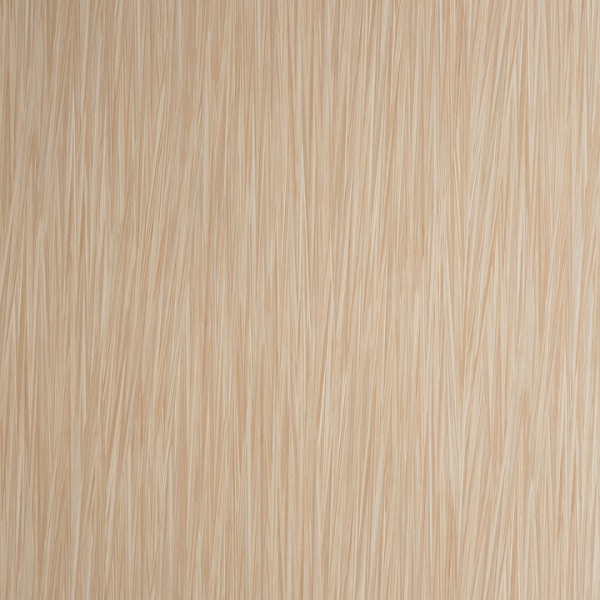
Traditional North American species: Realistic reproductions of oak (red, white, quarter-sawn), maple (hard, soft), cherry, walnut, hickory, and ash with authentic grain patterns and color variations
Exotic hardwood collections: Teak, mahogany, zebrawood, wenge, bubinga, and rosewood featuring distinctive grain characteristics and rich color depth
Reclaimed and weathered textures: Barn wood, driftwood, distressed planking with authentic aging, weathering, and patina effects
Contemporary wood treatments: Bleached, stained, and painted wood effects with modern color palettes and surface treatments
Engineered wood appearances: Coordinated plank patterns with realistic wood texture synchronization for seamless large installations
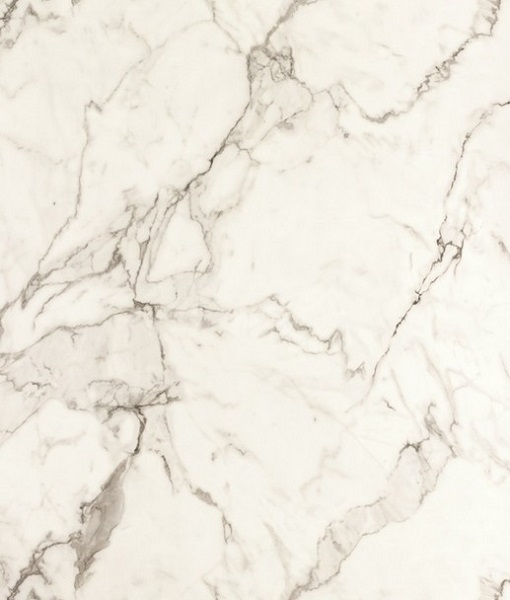
Marble collections: Carrara, Calacatta, Emperador, and Crema Marfil reproductions with realistic veining patterns and color depth
Granite textures: Speckled patterns featuring crystalline structures, color variation, and authentic mineral appearances
Slate and stone: Natural cleft textures, layered stone patterns, and rustic stone surfaces with authentic color variations
Concrete and industrial: Modern cement finishes, exposed aggregate, and industrial textures for contemporary architectural applications
Metal effects: Brushed stainless steel, oxidized copper, aged bronze, and modern metallic finishes with realistic surface textures
Geometric designs: Modern hexagonal, diamond, chevron, and abstract geometric patterns reflecting current architectural trends
Textile reproductions: Fabric textures including linen, canvas, leather, and woven materials for hospitality and residential applications
Abstract and artistic: Contemporary artistic interpretations, watercolor effects, and creative surface treatments
Custom digital printing: Unlimited design possibilities including corporate logos, architectural graphics, and personalized patterns
Three-dimensional textures: Embossed surfaces synchronized with printed patterns for enhanced tactile and visual realism
Color matching services: Professional color matching with existing architectural elements using spectrophotometric analysis
Light fastness ratings: Class 4-5 fade resistance ratings per ISO 105-B02 standards ensuring long-term color stability
Metamerism control: Color consistency maintained under different lighting conditions including LED, fluorescent, and natural daylight
Batch consistency: Rigorous quality control ensures color uniformity across production runs and multiple sheet orders
Digital color libraries: Complete color databases with RGB, CMYK, and Pantone color references for accurate specification
Anti-fingerprint coatings: Specialized surface treatments reduce visible fingerprints and smudges on high-touch applications
Enhanced scratch resistance: Advanced surface hardening treatments for demanding environments and heavy-use applications
Antimicrobial surfaces: Integrated antimicrobial agents for healthcare, food service, and hygienic applications
Easy-clean technologies: Specialized coatings facilitate cleaning and stain removal while maintaining surface appearance
Tactile surface variations: Multiple texture options from smooth to heavily textured for design differentiation and slip resistance
Question 3
Is Compact Laminate Waterproof?
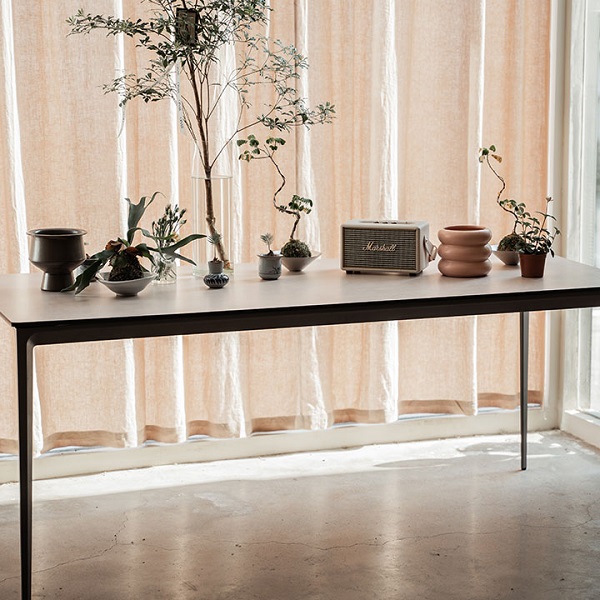
Compact laminate is highly water-resistant but not completely waterproof under all conditions.
Water resistance capabilities:
Performance in wet environments:
Limitations and considerations:
Question 4
How to Cut Compact Laminate?
Cutting Compact laminate requires specific tools, techniques, and safety measures for professional results.
Essential cutting tools:
Proper cutting techniques:
Safety requirements and best practices:
Drilling and specialty cuts:
Question 5
Can Compact Laminate Be Used Outdoors?
Yes, Compact laminate can be successfully used outdoors when selecting appropriate exterior-grade materials specifically engineered for environmental exposure and weather resistance.
Advanced weather resistance properties:
Temperature performance characteristics:
Comprehensive moisture and precipitation resistance:
Extensive outdoor application categories:
Critical installation requirements for outdoor success:
Performance validation and warranties:
Question 6
How Much Does Compact Laminate Cost?
Compact laminate pricing varies significantly based on grade, thickness, finish, and installation requirements.
Base material pricing:
Thickness impact on cost:
Surface finish variables:
Installation and labor costs:
Long-term value analysis:
Question 7
What Sizes Are Available for Compact Laminate Sheets?
Compact laminate is available in multiple standard dimensions with extensive customization options.
Standard sheet dimensions:
Compact Laminate Sheet Dimensions and Weight Reference
Sheet Size | Dimensions (inches) | Dimensions (mm) | Weight 6mm | Weight 12mm | Weight 20mm |
Standard | 48" x 96" | 1220 x 2440 | 65 lbs | 130 lbs | 215 lbs |
Commercial | 48" x 120" | 1220 x 3050 | 81 lbs | 162 lbs | 270 lbs |
Large Format | 60" x 144" | 1525 x 3660 | 143 lbs | 286 lbs | 477 lbs |
Custom Max | 60" x 120" | 1525 x 3050 | 119 lbs | 238 lbs | 397 lbs |
Weights are approximate and may vary by manufacturer and material composition
Thickness options and applications:
Custom sizing capabilities:
Handling and logistics considerations:
Optimization strategies:
Question 8
What Colors Are Available in Compact Laminate?
Compact laminate offers an extensive and sophisticated palette of colors, patterns, and textures designed to satisfy diverse aesthetic requirements from contemporary minimalism to traditional elegance, with advanced manufacturing technologies enabling virtually unlimited design possibilities.
Comprehensive solid color collections:

Extensive wood grain pattern categories:
Natural stone and mineral effect finishes:
Advanced contemporary and specialty patterns:
Technical color specifications and quality control:
Specialized surface technologies and treatments:
Professional color selection guidance can be found through comprehensive material selection resources and technical data sheets.
Conclusion
Compact laminate stands out as an exceptional building material that successfully combines durability, versatility, and aesthetic appeal across applications ranging from residential countertops to commercial architectural features. Its superior performance characteristics, extensive design flexibility, and long-term value proposition make it an intelligent choice for discerning professionals and informed consumers.
The material's unique manufacturing process creates a product that outperforms traditional alternatives in multiple critical areas including impact resistance, moisture performance, chemical resistance, and fire safety. Whether used indoors or outdoors, Compact laminate delivers consistent performance that meets the demanding requirements of modern construction and design projects.
For those seeking reliable Compact laminate solutions, partnering with an established supplier like HUAJIALE ensures access to premium quality materials backed by manufacturing expertise and exceptional customer service support for any project requirement.
FAQ
Frequently Asked Questions
General Questions About Compact Laminate
Q: What makes Compact laminate different from regular laminate?
A: Compact laminate is self-supporting and doesn't require a substrate backing, unlike standard decorative laminates. It's manufactured under higher pressure and temperature, creating a denser, more durable material with superior impact, moisture, and chemical resistance. The thickness ranges from 2-25mm compared to standard laminate's typical 0.6-1.5mm thickness.
Q: How long does Compact laminate last?
A: With proper installation and maintenance, Compact laminate can last 15-25+ years in commercial applications and 20-30+ years in residential settings. The lifespan depends on usage intensity, environmental conditions, and maintenance practices. Many manufacturers offer warranties ranging from 10-25 years.
Q: Can Compact laminate be repaired if damaged?
A: Minor surface scratches can often be buffed out with fine abrasives or specialized repair compounds. However, deep cuts, chips, or impact damage typically require panel replacement since Compact laminate cannot be easily patched like traditional laminates. Prevention through proper use is key.
Installation and Maintenance
Q: Can I install Compact laminate myself?
A: While DIY installation is possible for experienced woodworkers, professional installation is recommended for optimal results. Compact laminate requires specialized cutting tools, proper edge sealing, and specific mounting techniques. Improper installation can void manufacturer warranties.
Q: What tools are essential for cutting Compact laminate?
A: Essential tools include carbide-tipped circular saw blades (80-100 teeth), sharp utility knives for thin panels, fine-tooth jigsaw blades for curves, and routers with carbide bits. Always use proper safety equipment including eye protection and dust masks.
Q: How should Compact laminate be cleaned and maintained?
A: Daily cleaning requires only mild soap and water or standard household cleaners. Avoid abrasive cleaners or scouring pads that can scratch the surface. For stubborn stains, use a paste of baking soda and water. No special waxing or sealing is required.
Performance and Durability
Q: Is Compact laminate scratch-resistant?
A: Compact laminate offers excellent scratch resistance compared to most surfaces, but it's not completely scratch-proof. Sharp objects and abrasive materials can still cause damage. Using cutting boards, trivets, and protective pads helps prevent scratches and maintains appearance.
Q: How does Compact laminate perform in high-humidity environments?
A: Compact laminate performs exceptionally well in high-humidity environments, withstanding up to 85% humidity without dimensional changes. The dense, non-porous surface resists moisture penetration, making it ideal for bathrooms, kitchens, and commercial wet areas.
Q: Can Compact laminate withstand heat from hot pans and appliances?
A: While Compact laminate has good heat resistance, direct contact with very hot objects (above 180°F/82°C) can cause surface damage including burning, discoloration, or delamination. Always use trivets, hot pads, or heat shields to protect the surface from direct heat exposure.
Cost and Value
Q: Why is Compact laminate more expensive than regular laminate?
A: The higher cost reflects the superior manufacturing process, enhanced durability, and extended lifespan. Compact laminate requires more raw materials, higher pressure and temperature during production, and offers significantly better performance characteristics, justifying the premium pricing.
Q: Is Compact laminate a good long-term investment?
A: Yes, Compact laminate provides excellent long-term value through reduced replacement costs, minimal maintenance requirements, and superior durability. The initial higher investment is typically recovered through extended service life and reduced lifecycle costs compared to cheaper alternatives.
Q: Are there budget-friendly Compact laminate options?
A: Standard-grade Compact laminates in solid colors or basic patterns offer the most economical options while maintaining essential performance characteristics. Choosing standard thicknesses, avoiding custom sizes, and selecting from in-stock patterns can significantly reduce costs.
Applications and Suitability
Q: What applications should avoid Compact laminate?
A: Compact laminate is not suitable for load-bearing structural applications, direct ground contact, or continuous submersion in water. It's also not recommended for applications requiring frequent disassembly or where flexibility is essential. Extreme temperature fluctuations (below -40°F or above 180°F) can cause performance issues.
Q: Can Compact laminate be used for outdoor furniture?
A: Yes, exterior-grade Compact laminate is specifically designed for outdoor applications including furniture. It features enhanced UV resistance, weather-resistant surface treatments, and appropriate edge sealing. However, proper design for drainage and thermal movement is essential for optimal performance.
Q: Is Compact laminate suitable for commercial kitchen applications?
A: Compact laminate is excellent for commercial kitchens due to its non-porous surface, chemical resistance, easy cleaning, and bacterial resistance. However, direct contact areas with hot cooking equipment should be protected with appropriate heat shields or stainless steel surfaces.
Environmental and Health Considerations
Q: Is Compact laminate environmentally friendly?
A: Modern Compact laminates are increasingly environmentally conscious, with many products containing recycled content and meeting green building standards. The material's long lifespan reduces replacement frequency, contributing to sustainability. Many manufacturers offer products certified by environmental rating systems.
Q: Does Compact laminate emit harmful chemicals?
A: Quality Compact laminates have very low emissions of volatile organic compounds (VOCs) and formaldehyde, often meeting or exceeding indoor air quality standards. Look for products certified by organizations like GREENGUARD or similar environmental health standards.
Q: Can Compact laminate be recycled?
A: Recycling options for Compact laminate are limited due to its composite nature combining paper, resins, and chemical treatments. However, some manufacturers offer take-back programs for large commercial installations. The material's extended lifespan reduces environmental impact through reduced replacement frequency.

 Contact Us
 Online Sales
 Case Study
 News Center
 Product Brochure


