How to Choose Between Matte and Gloss Finishes for a Compact Laminate Cafe Table

For a compact laminate cafe table, matte and gloss sit on the same phenolic core — the finish changes glare, fingerprint visibility, cleaning cadence, and the look of the room, not the panel's structural life.
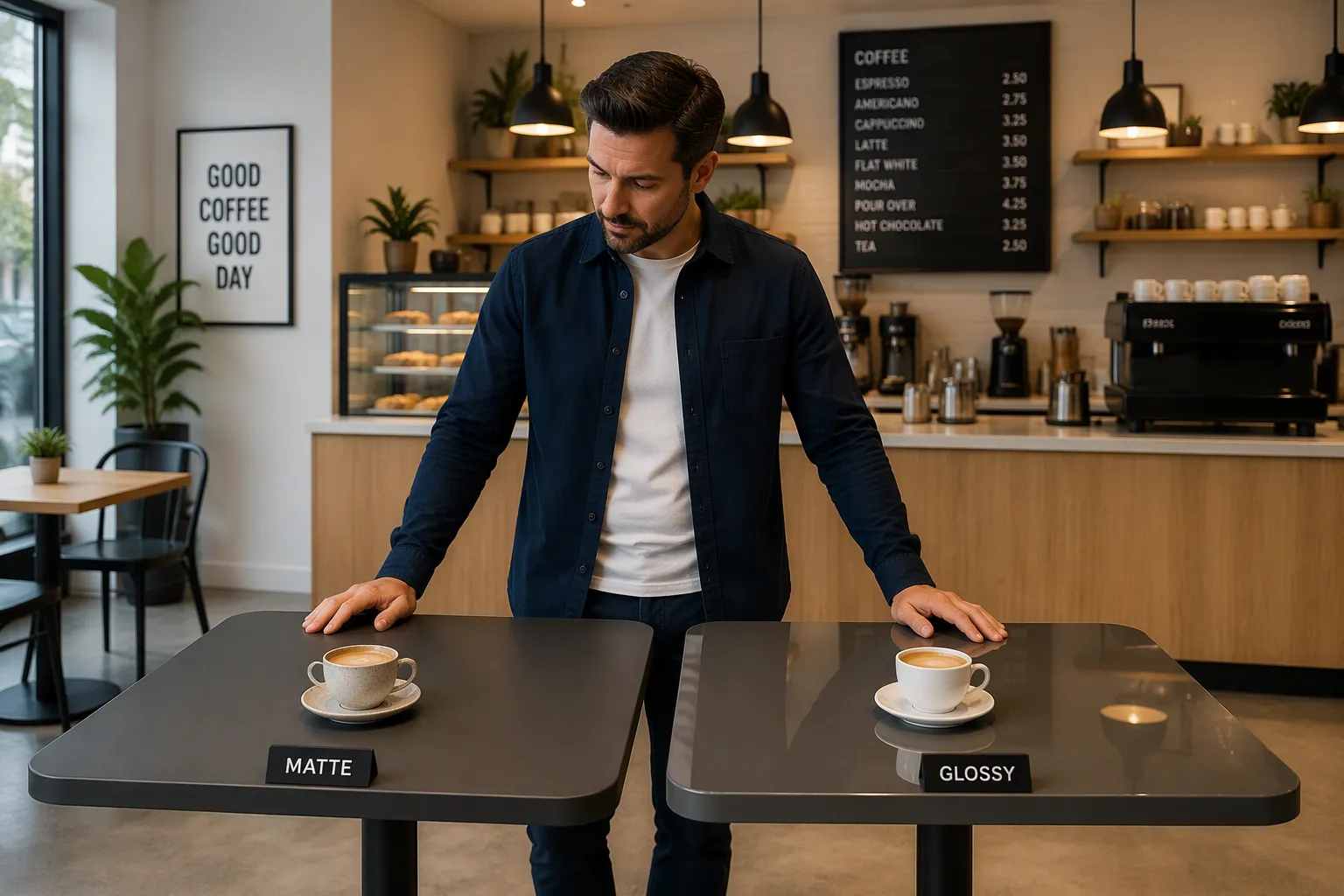
Key Takeaways
Pick matte for busy cafes. It has low glare and hides fingerprints.
Pick gloss for calm spaces that focus on design, where shine is important.
Both finishes have the same strong core and last just as long.
Matte finishes hide scratches and smudges better in busy areas.
Gloss finishes show marks easily, but they wipe clean with just one pass.
Matte cuts down glare from lights and photographs evenly.
Gloss makes small tables feel bigger and more high-end.
Ask to see the fire and food-contact certificates for the exact panel you order.
Pick matte for busy, low-glare, fingerprint-resistant everyday cafe use. Pick gloss for calmer, design-first spaces where shine and easy wipe-down matter.
This guide compares the two options on performance, cafe fit, rules, and cost. Readers can then decide fast. A compact laminate cafe table with either finish has the same core, so the surface treatment makes the difference. Matte surfaces soak up light and keep a calm look. Gloss surfaces bounce light and carry a polished sheen. Each one fits a different room and a different daily routine. The right pick depends on how the table works, not on which surface looks better in a showroom.
Glossy vs Matte Laminates: Performance
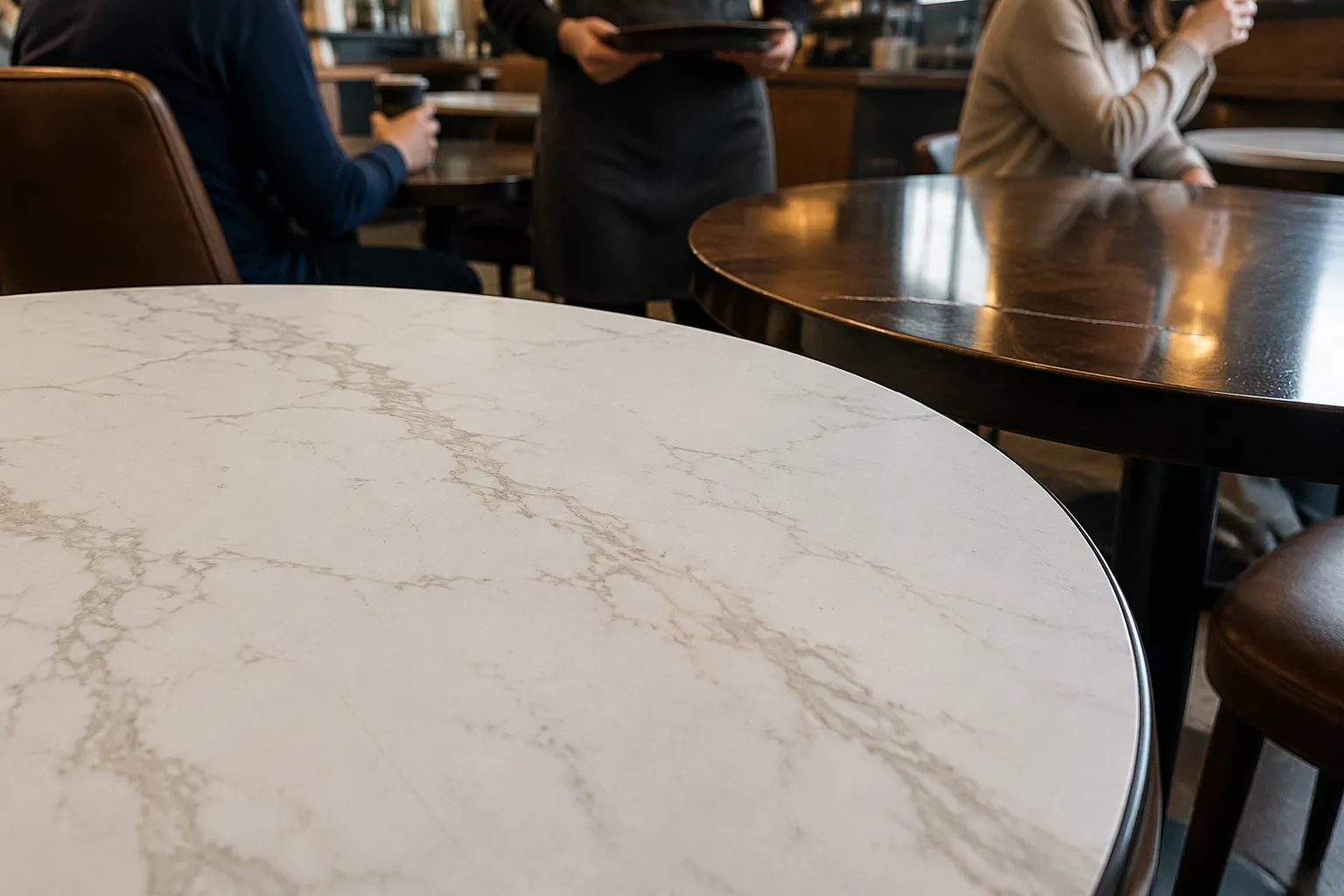
Both options start with the same 12 mm phenolic compact laminate core. The core gives the strength, moisture resistance, and durability. The surface treatment is the only real thing that changes. So when a reader compares glossy vs matte laminates, they compare how each surface acts day to day. They are not comparing how much abuse the table can take. The HPL versus solid surface comparison explains what the core contributes.
The Round Outdoor Bistro Table shows this clearly. Its Calacatta 7378 matte finish puts a white base with gray-gold veining under a soft, non-reflective surface. The result looks like premium marble without a mirror-like shine. That same core could have a polished surface instead. The choice changes the look and the upkeep, not the structural rating. The same supplier's HPL versus compact laminate guide sets out the core construction in more detail.
Scratch and Wear Visibility
Hiding Daily Wear
Matte laminates scatter light across a textured surface. Small scuffs and hairline marks blend into that scatter and get less attention. A busy cafe with chairs sliding in and out all day will notice less wear on a matte top. The Calacatta 7378 surface on the bistro table uses this effect well, because the veined pattern also breaks up the visual line of a scratch.
Glossy laminates reflect light directly. A scratch breaks that reflection and catches the eye. Fine marks that a matte surface absorbs can stand out on a high-gloss finish. This does not mean gloss wears faster. It means gloss shows wear more visibly.
High-Contact Zones
Placement matters as much as traffic volume. Table edges, the zone where bags and cups land, and the strip where servers reach across all get repeated contact. A matte finish handles these high-contact zones with less visible marking. Textured matte surfaces can show scratches faster in one narrow case: sharp, deep gouges that cut through the texture. Normal cafe contact rarely causes that kind of damage.
Glossy laminates suit low-contact spots, such as a display table or a quiet corner. The sheen stays clean and bright there. In a high-contact zone, the same sheen needs more checking.
Fingerprints, Smudges, and Glare
Print Resistance
Matte surfaces hide fingerprints and smudges well. Oils from hands sit on a light-scattering surface and disappear at normal viewing distance. Staff wipe less often, and the table looks presentable between cleanings. This is one of the strongest reasons to pick matte in self-service or high-turnover settings.
Glossy laminates show every print. The smooth surface holds a visible mark until someone wipes it. A glossy finish can still work in a staffed room where bussing happens quickly. The trade-off is real, and buyers should weigh fingerprint and smudge visibility against the shine they want.
Glare Under Cafe Lighting
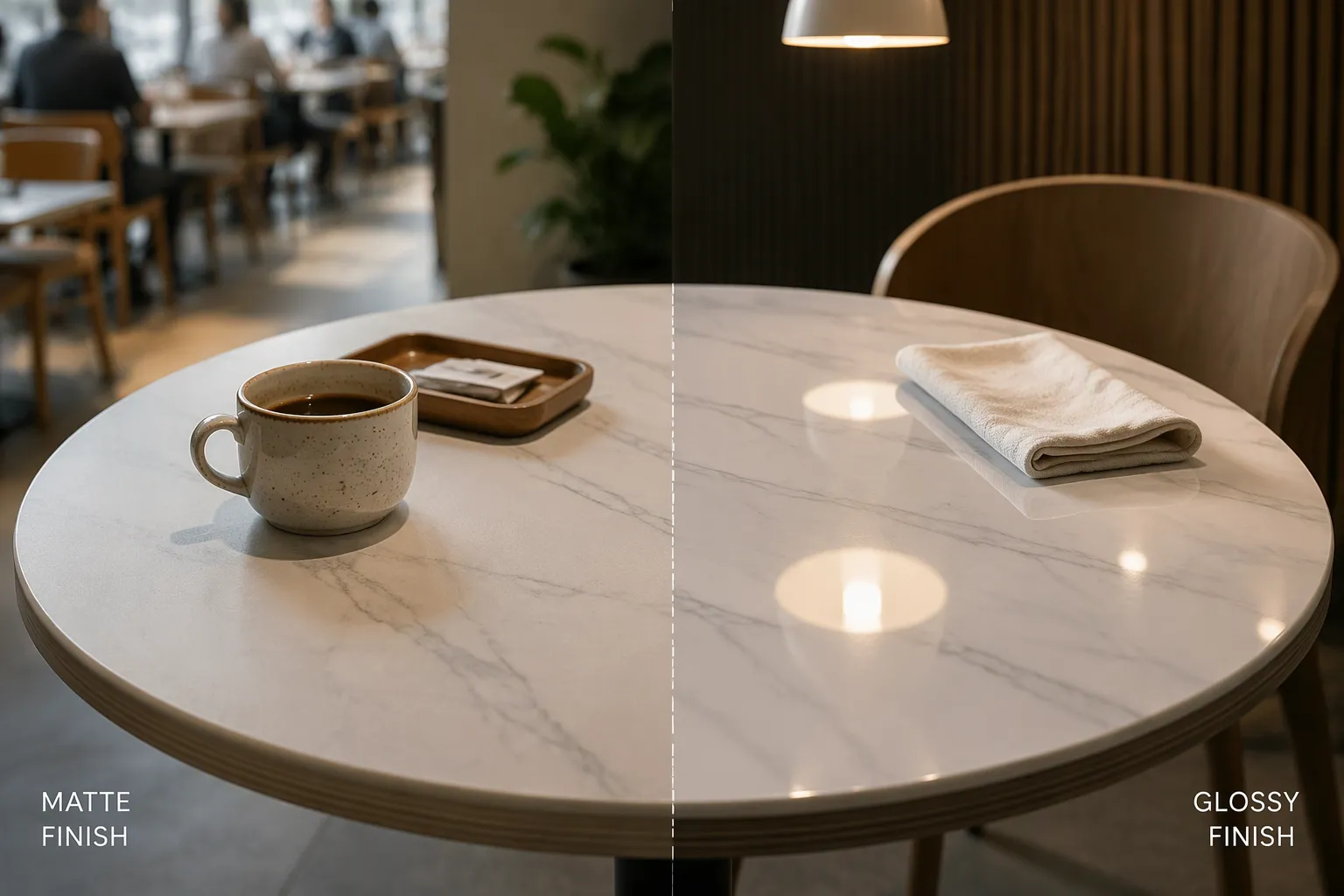
Glare depends on the light source and the angle. Pendant lamps, track lights, and windows all create reflections. A glossy surface bounces a bright pool of light toward seated guests. That pool can wash out the tabletop and distract from the food. Matte surfaces soften the reflection into a broad, even glow.
Photography follows the same logic. A matte top photographs evenly under mixed light. A glossy top can produce hot spots in menu shots and social photos. Photographers can angle around glare, but matte removes the problem before it starts.
Moisture, Stains, and Cleaning
Spill Behavior
Coffee, tea, and condensation land on both surfaces the same way. The compact laminate core resists moisture in either case. The difference sits on top. A glossy surface lets liquid bead and wipe away in one pass. A matte surface holds the droplet slightly longer, and the liquid spreads a little before removal. Neither surface absorbs a spill.
Staining risk stays low on both. The matte finish on the bistro table suits outdoor and damp zones because the core handles weather and the surface hides water marks between wipes.
Daily Cleaning Routine
Cleaning effort tracks visibility, not soil load. Glossy laminates need a wipe after every contact to keep the sheen uniform. Matte laminates tolerate a lighter routine in high-traffic areas, and staff can stretch the interval between full wipes. Both surfaces accept standard non-abrasive cleaners.
Maintenance planning should match the routine to the room. A high-turnover cafe gains time with matte. A low-traffic, design-led space loses little with gloss. Scratch resistance and wear resistance come from the core, so the finish choice shapes appearance and labor, not lifespan.
Need a Finish Sample for Your Cafe?
Request a matte and a glossy swatch, the panel specification, and the certificate scope before you fix the table design.
Matching Finishes to Cafe Settings
The Round Outdoor Bistro Table works in four settings: outdoor restaurant, balcony, cafe, and indoor dining area. Its 2-person size is great for coffee and afternoon tea. Each setting changes how a surface performs. Matte laminates fit high-use surfaces and calm, timeless interiors. Glossy laminates fit bold, modern looks and make a room feel larger and more high-end.
Traffic and Placement
High-Traffic vs. Low-Traffic
A busy cafe turns tables many times a day. Chairs scrape, trays land, and hands touch the top all the time. Matte laminates take this contact with less visible marking. A quiet balcony or a low-turnover dining corner gives a glossy finish room to stay clean and bright. Installed examples in the case studies show how placement changes the upkeep routine.
Indoor, Outdoor, and Damp Zones
Outdoor restaurants and balconies bring weather, condensation, and damp air. The 12 mm phenolic core resists moisture in every case. A matte finish hides water marks between wipes, so it suits exposed spots. A glossy finish works well indoors, where controlled conditions keep the sheen even.
Lighting and Photography
Glare Control
Pendant lamps and windows create reflections on any surface. A glossy finish bounces a bright pool of light toward guests. A matte finish softens that reflection into an even glow. Rooms with strong direct light favor matte for comfort.
Menu and Social Photos
Guests photograph food and drinks all the time. A matte tabletop photographs evenly under mixed light. A glossy top can produce hot spots in menu shots. Photographers can angle around glare, but matte removes the problem first.
Design Style and Space
Style Match
The 12 mm top with black edge banding and black steel base looks modern. Finish choice should complement that frame. A matte finish keeps the Calacatta 7378 veining soft and natural. A glossy finish sharpens the same pattern into a bolder look. This is the heart of glossy vs. matte furniture decisions: match the surface to the room's character.
Perceived Table Size
A glossy finish reflects the room and makes a small table feel larger. A matte finish keeps the top visually quiet and grounded. Compact spaces can use either effect well. The choice depends on whether the room needs openness or calm.
Mixing surfaces is possible. Using both glossy and matte laminates together separates zones, such as a glossy counter and matte dining tables. Keep the laminate maintenance routine simple by training staff on one cleaning method for both. Surface appearance and style should serve the room, not fight it.
Compliance and Safety
Fire Performance Ratings
Reading Fire Ratings
Fire ratings describe the compact laminate core, not the surface treatment. A 12 mm phenolic compact laminate has the same fire performance whether the top comes with a matte or a glossy face. Buyers should read the rating as a feature of the panel. Then they should treat the finish as a separate choice about how it looks. This difference matters when writing specs, because a supplier who quotes a fire class for one finish is really quoting it for both.
Fire test reports usually list the panel construction, the thickness, and the test method. Readers should check that the report names the 12 mm phenolic core and matches the product they plan to order. A report for a thinner panel or a different core does not carry over. When a quote arrives without a test reference, ask for the document before signing. Construction product fire classes are defined in standards such as EN 13501-1, which classifies reaction to fire rather than surface finish.
Food-Contact and Hygiene
Surface Requirements
Hygiene depends on how easily a surface lets go of residue. Both matte laminates and glossy laminates wipe clean with standard non-abrasive cleaners. So the food-contact story stays about the same for both options. The real gap is in what the eye can see. A matte surface hides dried residue between wipes, and a glossy surface shows it right away. Staff see the difference during a busy service.
That visibility works both ways. A glossy top gives an instant sign that a wipe is due, which helps in a staffed room with a fast bussing routine. A matte top keeps the table looking good for longer, which helps in self-service settings. Neither surface changes the basic durability and cleaning profile of the core. Operators should match the visibility to how their staff works. Food-contact declarations should be checked against the current framework for food ingredients and packaging and against the documents supplied with the exact panel.
Certifications to Verify
Documents to Request
Buyers should ask every supplier for manufacturer certifications and test reports, not just the preferred one. The document set usually covers fire performance, food-contact suitability, and the panel specification. A complete package lets a buyer confirm that the matte or gloss face sits on the certified core. Missing paperwork slows approval and can hold up a fit-out. The manufacturer background shows which products and standards a supplier works with.
A short request list keeps the process moving. Ask for the fire test report, the food-contact declaration, and a datasheet that states the panel thickness and construction. Compare the documents against the order before production starts. This step protects the buyer and gives the cafe a compliance file it can defend. Keeping that file in good shape pays off at inspection time, and it supports the long-term durability of the laminate investment. General HPL classification is covered by EN 438-1; published technical support documents can then be matched to that classification.
Cost and Total Cost of Ownership
Initial Price Gap
What Drives the Gap
The price gap between a matte and a glossy face is usually small next to the whole table. Most of the money sits in the 12 mm phenolic compact laminate core, the steel base, and the aluminum mounting plate. A buyer who compares quotes should look at those three parts first. The surface treatment adds a modest step to the total.
Suppliers price the face as a small share of the panel. The core carries the strength, the weather resistance, and the durability. The steel base and the mounting plate carry the stability. A finish upgrade changes the look and the upkeep, not the structure. Buyers should treat the gap as a minor line item and focus on the parts that set the table's working life.
Maintenance and Replacement
Cleaning and Repair
Total cost of ownership turns on labor, replacement frequency, and lifespan. Matte laminates may cut cleaning time in high-traffic areas, because the surface hides prints and smudges between wipes. Glossy laminates may need more frequent wiping to keep the sheen even. Staff hours add up over a year, and that labor often costs more than the initial gap.
Repair needs stay low on both surfaces. The compact laminate core resists scratches and moisture in either case. A deep gouge is rare in normal cafe use. When damage does happen, the panel is the unit that matters, not the face. Operators should plan maintenance and cleaning around the room's traffic, then match the surface to that routine.
Lifespan and Long-Term Value
Estimating Total Cost
A simple estimate works well here. Add the purchase price, the yearly cleaning labor, and any replacement cost across the expected service life. Matte laminates often lower the labor term in busy rooms. Glossy laminates often lower nothing but add visual value in quiet, design-led rooms. Both options share the same core lifespan, so the difference sits in labor and appearance.
Buyers can compare two quotes side by side and weigh the labor term against the look they want. A compact laminate cafe table with either face gives years of service when the core and frame are sound. Good durability and care start with the right surface for the setting. That choice keeps maintenance predictable and protects the investment over time.
Comparing Quotes for a Fit-Out?
Ask for the panel make-up, the core thickness, and the finish separately so the quotes describe the same scope.
Decision Guide for a Compact Laminate Cafe Table
If-Then Recommendations
A short mapping helps a buyer settle the question fast. The table below pairs each room condition with the surface that suits it.
| If the cafe looks like this | Then choose |
|---|---|
| High traffic, strong direct light, self-service, outdoor or damp placement | Matte |
| Low traffic, design-led interior, staffed bussing, controlled lighting | Gloss |
When Matte Fits
Matte laminates suit rooms where the surface works hard all day. Chairs scrape, trays land, and hands touch the top between every order. A matte face scatters light and lets small marks fade into the background. Fingerprints and smudges disappear at normal viewing distance, so staff can stretch the gap between wipes. Outdoor restaurants, balconies, and busy indoor dining areas all reward this choice. Matte laminates also keep a calm, natural look, which helps the Calacatta 7378 veining read as soft marble rather than a mirror. A buyer who wants low glare under pendant lamps and even results in guest photos will find matte the safer pick.
When Gloss Fits
Glossy surfaces belong in quieter, design-first rooms. A low-turnover dining corner or a display table gives the sheen room to stay clean and bright. The reflective face bounces light and makes a compact space feel larger and more premium. Gloss also wipes down in a single pass, which suits a staffed room with a fast bussing routine. This is the core of the glossy vs. matte furniture debate: one surface serves heavy use, the other serves a bold look. Neither choice is wrong when the room matches it.
Two catalogue examples show how a finish and a core come together in a real table specification.
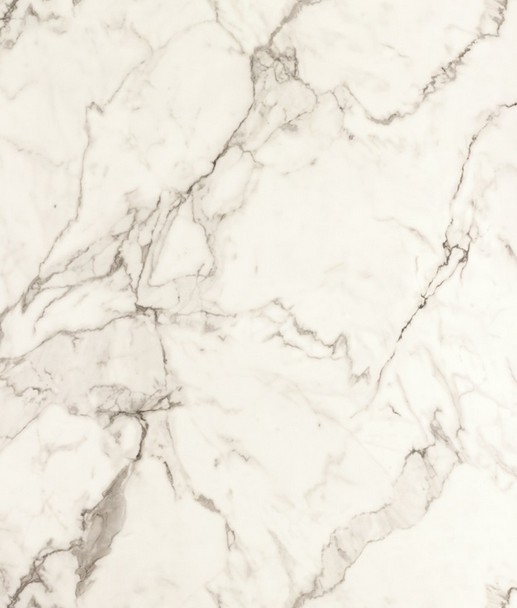
Calacatta 7378 Marble Laminate
A white marble-effect sheet with gray-gold veining, used here under a soft matte face.
View Product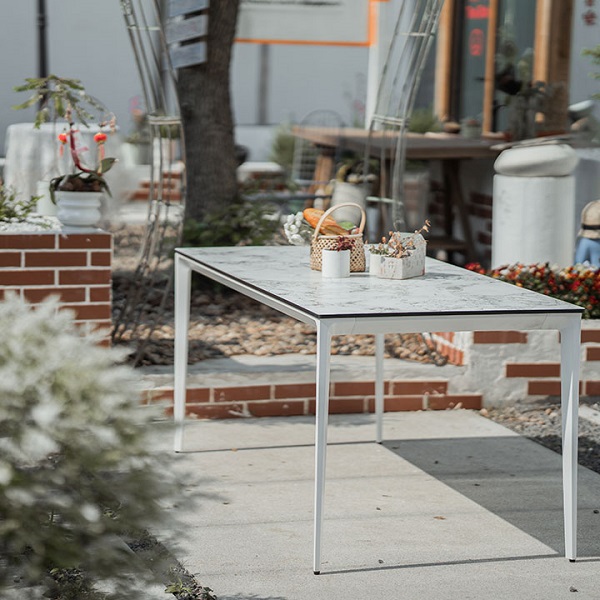
Compact Laminate Table Surface
A marble-look compact laminate top in an outdoor setting, where the core resists damp air.
View ProductBuyer Checklist
Questions Before Ordering
A short list of questions keeps the decision grounded in practical considerations rather than showroom impressions.
How many turns does the table see each day, and where do guests touch it most?
What light sources hit the top, and at what angle?
Will the table sit indoors, outdoors, or in a damp zone?
Does the room call for a calm, timeless look or a bold, modern statement?
Does the supplier hold fire test reports and food-contact documents for the exact panel?
Traffic level sets the cleaning routine. Lighting sets glare risk. Placement sets exposure to weather and condensation. Design style sets the visual target. Compliance documents confirm the certified core sits under the chosen face. A buyer who answers all five questions can order with confidence.
One more step helps before signing. Ask the supplier for a finish sample and view it under the room's own lighting. A swatch that looks soft in a showroom can read bright under a window, and the reverse holds too. Place the sample on the black steel base of the Round Outdoor Bistro Table to check how the face works with the black edge banding. This small test settles most doubts.
Maintenance planning should follow the same logic. Matte laminates lower cleaning labor in busy rooms. A glossy face asks for more frequent wiping to keep the sheen even. Both surfaces share the same 12 mm phenolic core, so the difference sits in labor and appearance, not in lifespan.
Conclusion
Choose matte for busy, low-glare, fingerprint-resistant everyday cafe use. Choose gloss for calmer, design-first rooms where shine and easy wipe-down matter. That rule settles most decisions.
Both finishes can work well. Each one fits a room's traffic, lighting, and style. A buyer who pairs the surface to the setting gets a compact laminate cafe table that looks right and cleans easily. The table fits the cafe when the finish follows daily use, not showroom appeal. Buyers comparing suppliers can ask for certified panels, finish samples, and full documentation before placing an order.
Ready to Compare Matte and Gloss Samples?
Send the room conditions and the panel specification to receive finish swatches, certificates, and a quotation for the same scope.
FAQ
Does the finish change how long the table lasts?
No. Both faces sit on the same 12 mm phenolic compact laminate core. That core carries the strength, moisture resistance, and weather resistance. The surface treatment changes how the table looks and how much cleaning it needs, not how long it lasts. Buyers can pick either finish without worrying about durability.
Which finish shows scratches more?
Gloss reflects light directly, so a scratch breaks the reflection and catches the eye. Matte scatters light and lets fine marks fade into the background. Deep gouges can still show on a textured matte face. Normal cafe contact rarely causes that kind of damage.
Is matte harder to clean than gloss?
Not harder, just different. Both surfaces wipe clean with standard non-abrasive cleaners. Gloss shows every print until someone wipes it. Matte hides prints and smudges between cleanings. A busy room saves time with matte, and a staffed room keeps up with gloss through a fast bussing routine.
Which finish works better for outdoor use?
Matte suits outdoor restaurants and balconies well. The core resists moisture in either case, and the matte face hides water marks between wipes. Gloss works well indoors, where steady conditions keep the sheen even and bright.
How do the two finishes compare at a glance?
| Factor | Matte | Gloss |
|---|---|---|
| Scratch visibility | Lower | Higher |
| Fingerprints | Hidden | Visible |
| Glare | Softened | Reflective |
| Cleaning interval | Longer | Shorter |
| Perceived size | Grounded | Larger |
Does the finish affect fire ratings or food-contact compliance?
No. Fire ratings and food-contact compliance describe the compact laminate core. A 12 mm phenolic panel carries the same rating under either face. Buyers should still ask for test reports and declarations that name the exact panel they plan to order.
Can a cafe mix matte and gloss in one room?
Yes. Mixing surfaces separates zones, such as a glossy counter and matte dining tables. Train staff on one cleaning method for both. The 12 mm top with black edge banding and black steel base reads as modern, so either face fits that frame.
Where can buyers source a reliable compact laminate cafe table?
Compare certified panels, finish options, and documentation from candidate suppliers. Ask for a swatch and view it under the room's own lighting before ordering, and confirm that the fire and food-contact papers name the exact panel being supplied.
References and Notes
EN 438-1:2016, high-pressure decorative laminates, introduction and general information — supports the panel-classification reference (evs.ee, accessed 2026-11-18)
EN 13501-1, fire classification of construction products using reaction-to-fire data — distinguishes core fire class from surface finish (evs.ee, accessed 2026-11-18)
Food ingredients and packaging guidance — context for checking food-contact declarations (fda.gov, accessed 2026-11-18)
Data notes: the 12 mm phenolic compact core and the matte-versus-gloss comparison are taken from the original article and the manufacturer's product page. No specific fire class or food-contact certificate number is asserted here; buyers must request the documents for the exact panel they order.
Image notes: the three illustrations from the original article were retained because they carry only matte and glossy labels and no fabricated brand, certification, or performance claims.
Internal links: all five original links to czhjl.com are preserved, with anchor text matched to the page each link opens. The original article ended with a product gallery and repeated manufacturer recommendations; those were replaced by the product cards and functional blocks above.
Published by Changzhou Huajiale Decorative Materials Co., Ltd., Changzhou, Jiangsu, China.
CATEGORIES:

 Contact Us

 Online Sales

 Case Study

 News Center

 Product Brochure