


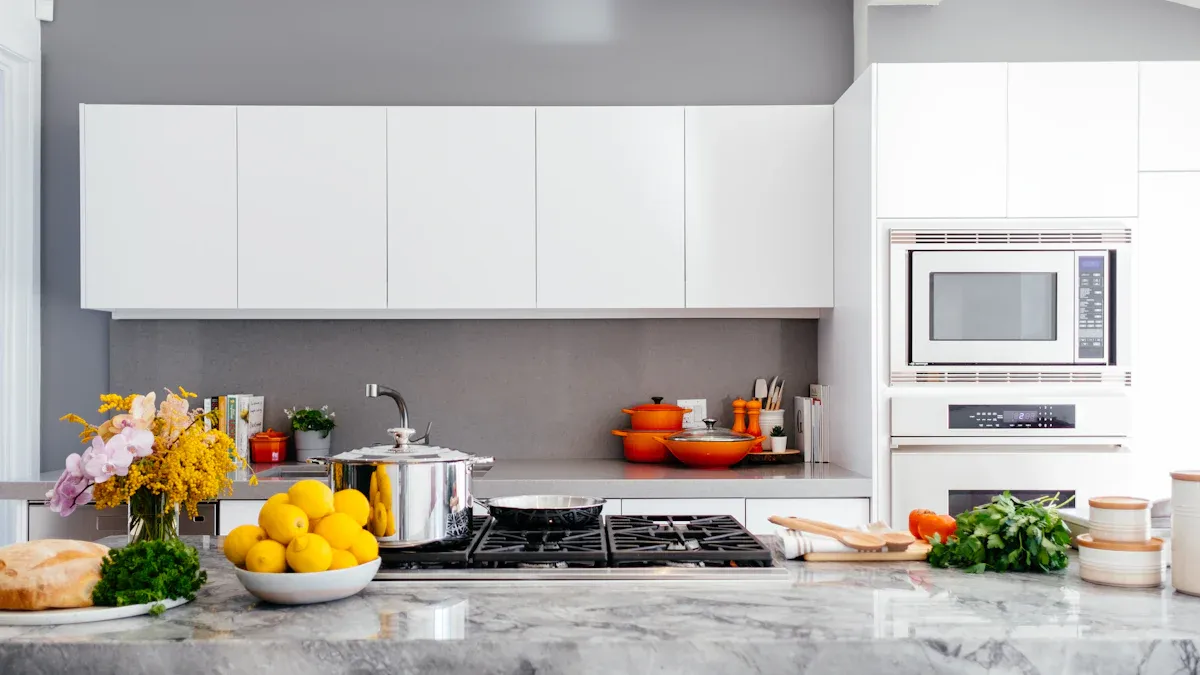
When people want the best material for kitchens, they compare HPL for kitchen applications and solid surface materials. HPL is strong, easy to clean, and not expensive to install. Many people choose HPL for kitchen use because it performs well in busy environments and complements a variety of aesthetics. While solid surface materials may last longer and feature seamless designs, HPL is more budget-friendly and suitable for DIY projects. The growing popularity of HPL for kitchen surfaces highlights its clear advantages. Changzhou Huajiale Decorative Materials Co., Ltd. offers trusted HPL options and assists families in selecting the perfect surfaces. Choosing the right material is crucial for kitchens that need to be both visually appealing and durable.
Table: Quick Comparison
Factor HPL for Kitchen Solid Surface Installed Cost $20-$60/sq ft $50-$150/sq ft DIY Friendly Yes No Lifespan 10-20 years 20-50 years Seams Visible Invisible
Key Takeaways
HPL costs less and is simple to clean. This makes it great for busy kitchens and DIY jobs. Solid surface materials look smooth and have no seams. They can be made into special shapes for modern kitchens.
Both HPL and solid surfaces do not stain or get wet easily. This keeps your kitchen safe and clean.
HPL is easy for people to install by themselves. Solid surface materials usually need a pro to put them in.
Think about how you use your kitchen and what style you like before you pick HPL or solid surface materials.
HPL comes in many colors and patterns. This helps you match your kitchen style.
Solid surface materials are strong and can last longer than HPL. They are a smart choice for fancy kitchens.
You can use both HPL and solid surfaces in one kitchen. This can make your kitchen look special and work well.
HPL for Kitchen Surfaces
What is HPL?
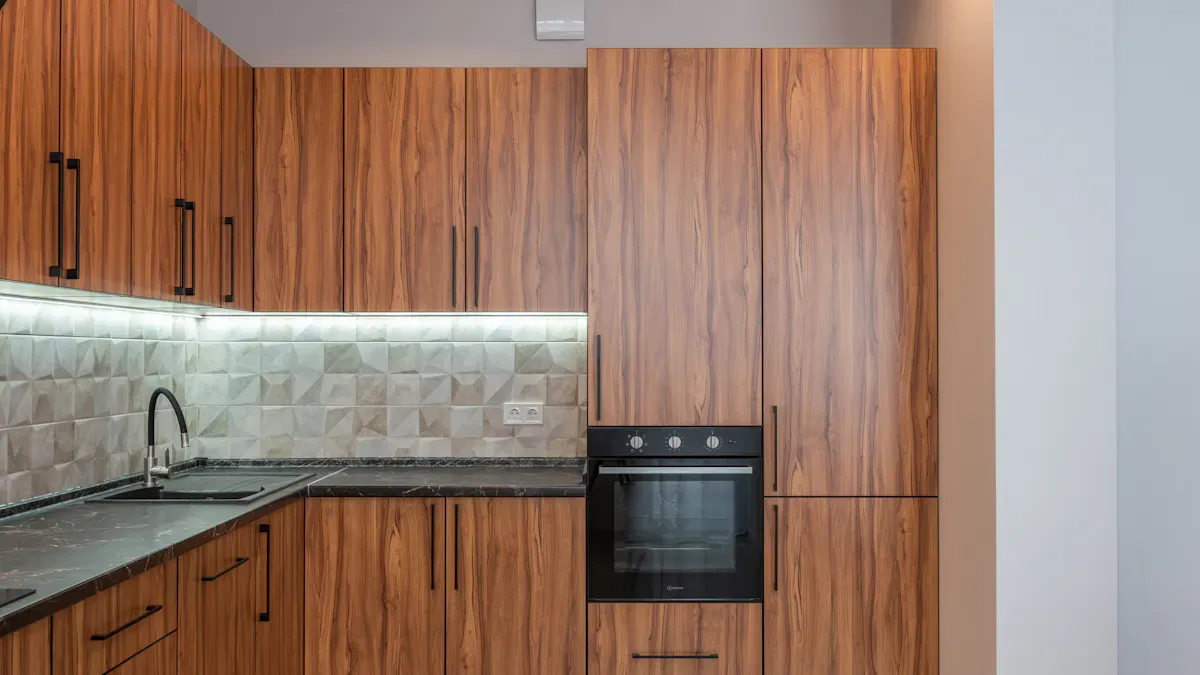
HPL means high-pressure laminate. People pick HPL for kitchen surfaces because it is strong and looks nice. Manufacturers make HPL by pressing paper and resin together with lots of heat and pressure. This makes a hard sheet that does not scratch or stain easily. HPL is durable, resists moisture, and is simple to clean. Designers use HPL for countertops, cabinet doors, and wall panels in kitchens. Families like HPL because it can handle daily use. HPL comes in many colors and patterns, so homeowners can match their style.
Table: Advantages of HPL for Kitchen Environments
Advantage Description Stain Resistance HPL surfaces do not stain easily, so cleaning is fast and safe. Hygiene The smooth surface of HPL is good for kitchens that need to stay clean. Durability HPL lasts a long time and can handle tough weather. Impact Protection The top layer of HPL keeps it safe from bumps and scratches, so it looks good for years.
People use HPL for countertops and furniture in kitchens. Designers also choose HPL for wall panels and cabinet doors. These uses show how HPL fits well in modern kitchens.
Types of HPL by Huajiale
Changzhou Huajiale Decorative Materials Co., Ltd. has many kinds of HPL for kitchens. Their products include non-combustible laminate, HPL laminate, fiber glass laminate, chemical resistant laminate, and refractory laminate. Each type is made for a special job in the kitchen.
Table: Types of HPL by Huajiale
Type of HPL Thickness Range Construction Method General Purpose 0.028" to 0.048" Works for flat and upright surfaces. Postforming Maximum 0.038" Can bend around curved edges with heat. Backer N/A Has no fancy face, comes as standard or regrind. Special Products N/A Includes liners, high-wear, fire-rated, electrostatic, and chemical resistant laminates.
Non-combustible laminate is good for kitchens where fire safety is important. HPL laminate is best for busy areas. Fiber glass laminate is strong in tough places. Chemical resistant laminate is great for spots with lots of cleaning. Refractory laminate can take high heat, so it works well near stoves.
Tip: Homeowners should pick the right HPL by thinking about what their kitchen needs most.
HPL vs. Melamine
Many people look at HPL and melamine when picking kitchen surfaces. Both look alike, but they act differently. HPL is better because it resists moisture and lasts longer.
Table: HPL vs. Melamine for Kitchen Surfaces
Feature HPL Melamine Moisture Resistance strong (with proper sealing) low (edges vulnerable) Durability superior (denser, harder surface) adequate (handles normal wear)
HPL is best for wet places because it keeps water out. Both HPL and melamine need sealed edges to stop water damage. Melamine can get ruined if its edges are not sealed. HPL stays new-looking longer, even in busy homes.
People use HPL for countertops and cabinet doors. Melamine is used for simple furniture and shelves. HPL works well in busy rooms, labs, and cabinet doors. Melamine is fine for normal use but does not last as long in kitchens.
Advantages of HPL:HPL gives stain resistance, hygiene, durability, and impact protection. These features make it a smart pick for modern kitchens.
HPL helps homeowners worry less. It stands up to spills, bumps, and cleaning every day. Melamine costs less but does not work as well as HPL. Designers and families choose HPL for kitchens because it meets the needs of busy homes.
Ready to Transform Your Kitchen?
Get expert advice on choosing the perfect HPL solution for your project. Our team is ready to help you select the best materials that combine durability, style, and value.
Request a Free ConsultationKey Differences Between HPL Board and Acrylic Board
Durability
When people look at kitchen surfaces, they want something that lasts. Durability matters a lot in busy kitchens. The key differences between hpl board and acrylic board start with how each one stands up to daily use. HPL has a tough surface. It resists scratches and dents better than acrylic board. People can use hpl for countertops and expect it to handle heavy pots, sharp knives, and lots of cleaning. Acrylic board feels softer. It can get scratched by keys, utensils, or even fingernails. Some acrylic board types have self-healing properties, but deep scratches may stay.
Heat is another big factor. HPL can take heat up to 140°C. That means hot pans or steam from cooking will not damage it easily. Acrylic board does not like heat as much. It can warp or change shape if it gets too hot, especially near stoves or ovens. Both hpl and acrylic board do well with moisture. HPL works great in humid kitchens. Acrylic board also resists water if sealed right, but edges need extra care.
Table: Durability Comparison
Property HPL Board Acrylic Board Scratch Resistance High (5H–6H surface hardness) Medium (2H–3H), scratches easier Abrasion Resistance Excellent (2000+ cycles) Prone to fingerprints, scratches Heat Resistance Up to 140°C Up to 80°C, can warp with heat Moisture Resistance Excellent, even in humidity Excellent if sealed, edges need care
People often pick hpl for countertops, partitions, and custom furniture because it stays strong for years. Acrylic board works best for cabinet doors and places where looks matter more than toughness.
Appearance
Looks play a big role in kitchen design. Acrylic board stands out for its shiny, mirror-like finish. It gives cabinets a modern, glassy look that feels soft and warm. Many designers love acrylic for its bright, bold colors. The shine stays strong over time, and the colors do not fade easily. HPL offers a different style. It comes in many patterns, like woodgrain or stone, and can have a matte or textured finish. Some people like hpl because it can match almost any kitchen style, from classic to modern.
Table: Appearance Comparison
Feature Acrylic Board HPL Board Gloss High-gloss, mirror-like Less glossy, can be matte or textured Texture Smooth Smooth or textured Color Retention Vibrant, does not fade easily May fade over time with sunlight
Acrylic board makes cabinets pop with color and shine. HPL gives more choices for texture and pattern. Some kitchens use both. For example, they might use acrylic board for upper cabinets and hpl for countertops or lower cabinets.
Acrylic board provides a glass-like shine that feels softer than real glass.
It offers bright, saturated colors with a high-gloss look.
People who want a bold, modern kitchen often choose acrylic board for the doors. Those who want a natural or textured look go with hpl.
Maintenance
Kitchen surfaces need to stay clean and look good. HPL is easy to care for. People can wipe it with a damp cloth and mild soap. It does not show fingerprints or smudges much. Stains come off quickly, and the surface stays smooth. Acrylic board needs a bit more attention. The shiny finish can show fingerprints, dust, and smudges. People often use a soft cloth and special cleaner to keep acrylic board looking bright. Scratches on acrylic board may need polishing or repair kits.
HPL does not need much work to stay nice. It handles daily cleaning and does not need special products. Acrylic board looks best with regular care and gentle cleaning. In busy kitchens, hpl saves time because it does not show wear as fast.
Tip: For families with kids or lots of cooking, hpl makes cleaning simple. Acrylic board works well in kitchens where style comes first and people do not mind a little extra care.
Cost
Cost matters a lot when people plan a kitchen upgrade. Many homeowners want a surface that looks good and fits their budget. HPL board stands out as a cost-effective choice. It covers large areas without breaking the bank. Acrylic board brings a high-end look, but the price tag is much higher.
Here's a quick look at how the costs compare:
| Material | Cost Comparison |
|---|---|
| HPL | More affordable and cost-effective for large areas. |
| Acrylic | Known for premium pricing, often significantly more expensive due to the high-end finish. |
HPL board helps families save money on countertops, cabinet doors, and wall panels. They can use it for big projects and still stay within budget. Acrylic board works best for those who want a luxury finish and do not mind paying more. Designers often use acrylic board for statement pieces or small accent areas.
People who choose HPL board enjoy both style and savings. They can pick from many colors and patterns without worrying about high costs. Acrylic board gives kitchens a glossy, modern look, but the price can limit its use to smaller spaces.
Tip: Homeowners who want to refresh their kitchen without spending too much often pick HPL board. It offers great value and keeps the project affordable.
Families and renovators can decide which material fits their needs by thinking about the size of their kitchen and their budget. HPL board makes it easy to get a stylish, durable surface for less money. Acrylic board delivers a premium look, but it comes at a premium price.
Solid Surface Materials Overview
What Are Solid Surface Materials?
Solid surface materials are popular in modern kitchens. They are made by mixing minerals, resins, and pigments. Most solid surfaces use alumina trihydrate, acrylic, or polyester resins. This mix makes a strong surface that does not let stains or water in. People like solid surface materials because they can shape them in many ways. Homeowners use solid surfaces for countertops, sinks, and backsplashes. The smooth finish makes cleaning simple and keeps kitchens looking nice.
Common Types and Features
Solid surface materials come in two main types. One is acrylic-based, and the other is polyester-based. The difference is in the resin used. Acrylic-based solid surfaces are flexible. They can bend and form into special shapes. Polyester-based options have bright colors and patterns. Both types share important features:
The surface does not let stains or bacteria in.
They can be made into many shapes and sizes.
There are many colors and patterns to choose from.
They join together without seams for a smooth look.
People pick solid surfaces because they last long and look good. The material does not have cracks or gaps, so water and dirt stay out. This makes them a smart choice for busy kitchens.
Tip: Solid surface materials are easy to fix. If there is a scratch or chip, a professional can sand and polish it to make it look new.
Here is a quick look at the main types and their features:
| Type | Features |
|---|---|
| Solid Surface Material | Made from alumina trihydrate, acrylic, polyester resins, and pigments. Seamless installation. |
| Polyester-based | Has bold colors and patterns. Good for decoration. |
| Acrylic-based | Flexible and easy to shape. Works well for custom designs. |
| Non-porous | Blocks stains and bacteria. Easy to clean. |
| Seamless | No visible seams. Smooth, modern appearance. |
Solid Surface vs. HPL
Many people compare solid surface materials with HPL for kitchen surfaces. Both look good and last long, but they are different. Solid surface materials use acrylic or polyester resins. HPL uses layers of paper and resin pressed together. Solid surfaces can join without seams, so the finish is smooth. HPL usually shows seams at the edges. Solid surfaces can be shaped into sinks and curves. HPL works best for flat surfaces like countertops and cabinet doors.
Acrylic is special in solid surface materials. It gives a shiny, modern look and comes in many colors. Acrylic board has a smooth finish, bright colors, and resists stains. Acrylic-based solid surfaces are easy to fix and keep clean. HPL costs less and works well for big areas. Acrylic-based solid surfaces cost more but give a seamless, fancy look.
People often pick HPL because it is affordable and has many design choices. They choose acrylic-based solid surfaces for custom shapes and a luxury feel. Both materials help make kitchens stylish and useful.
Performance Comparison
Scratch & Impact Resistance
Kitchen counters and cabinets get used a lot. Pots, pans, and tools can scratch or dent them. HPL is strong and does not scratch easily. Designers pick HPL HPL for busy spots because it does not break or wear down fast. Tests show HPL HPL can take hard hits without breaking. Its surface stays nice after more than 500 rubs. This means it looks new for a long time.
Solid surface materials also protect well. Acrylic-based solid surfaces do not scratch as easily as some materials, but they are softer than HPL. People see that acrylic can get marks from keys or knives. Some acrylic surfaces can fix small scratches by themselves, but deep ones might stay. Acrylic is good for cabinet doors and backsplashes where things do not hit hard.
HPL is tough, does not break easily, and does not scratch much.
Acrylic surfaces can resist scratches but may get marks in busy kitchens.
If you want a surface that does not wear out fast, HPL is a good pick. Acrylic looks shiny and stylish but needs more care to keep it nice.
Heat & Moisture Resistance
Kitchens have a lot of heat and water. HPL can handle heat up to 140°C. You can put hot pans or spill boiling water on it, and it will not bend or crack. HPL works well near stoves and sinks. It also keeps water out, even in wet kitchens.
Acrylic-based solid surfaces also keep water out. They do not let spills soak in, so cleaning is easy. Acrylic does not take in water, so stains and germs do not build up. But acrylic does not like high heat as much. It can handle normal kitchen heat, but hot pans can make it bend or change color. People use acrylic for sinks and counters, but they do not put hot things right on it.
HPL is great at handling heat and water.
Acrylic keeps out water but needs to be safe from high heat.
Longevity
People want kitchen surfaces that last a long time. HPL and solid surface materials both last many years. HPL usually lasts 10 to 20 years. Solid surface materials, like acrylic, can last 20 to 50 years if you take care of them.
| Material Type | Average Lifespan |
|---|---|
| HPL | 10-20 years |
| Solid Surface | 20-50 years |
Acrylic surfaces stay bright and smooth for many years. HPL keeps its color and feel in busy kitchens. People who want a surface that lasts a long time often pick acrylic for special designs and smooth looks. HPL is good for families who want something strong and easy to clean.
Tip: Clean your kitchen surfaces often and do not use harsh cleaners. This helps both HPL and acrylic last longer.
People who redo kitchens look at these materials to see what works best. HPL is easy to care for and works well. Acrylic gives a fancy look and lasts a long time. Both help solve kitchen problems and make the space better.
Design & Style Options
Color & Pattern Choices
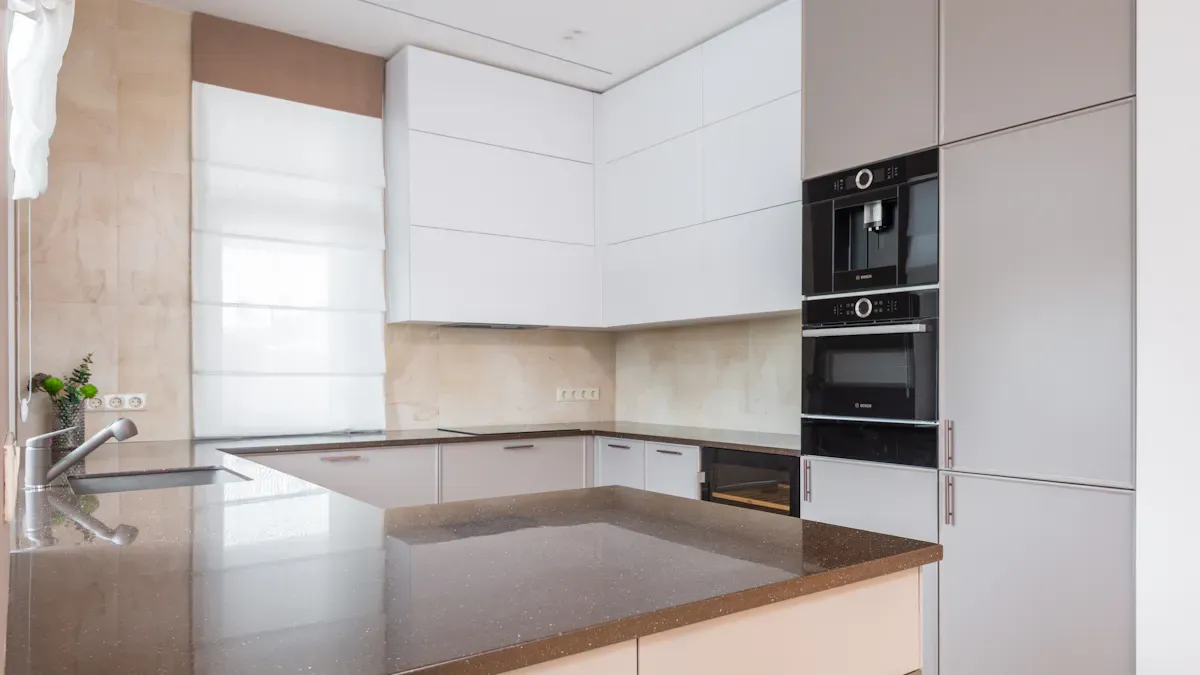
Kitchen surfaces should look nice and match the home's style. HPL and solid surface materials have many colors and patterns to choose from. People can pick woodgrain, stone, solid colors, or bold prints. Changzhou Huajiale Decorative Materials Co., Ltd. gives families lots of choices for kitchen design. Other top manufacturers offer special features and finishes.
| Manufacturer | Key Features |
|---|---|
| Formica | Reliable and classic looks |
| Wilsonart | Eco-friendly and sustainable production |
| Fundermax | Anti-UV and weather-resistant options |
| Trespa | Clean and stylish for modern façades |
| Arpa | Fancy designs with new technology |
| EGGER | Used for furniture and wall panels |
| Abet | Artistic and unique designs |
| Greenlam | Affordable for many clients |
| Polyrey | Strong and stylish for hotels and hospitals |
| Key Trends | Anti-fingerprint, UV resistance, antibacterial, sustainable, digital printing for custom patterns |
Designers notice new trends like anti-fingerprint finishes and digital printing. These features help kitchens stay clean and look new. Families can pick patterns that match their taste, from classic styles to modern looks.
Seamless Look
Many people want kitchens to look smooth and neat. Solid surface materials make this happen. They use color-matched glue to join pieces. Installers sand the seams so they disappear. The countertop or backsplash has no visible lines.
Solid surface materials use color-matched glue to connect sections. The seams are sanded until they are invisible. This gives a clean, single-piece look. HPL laminate can show seams unless edges are treated and sealed.
HPL can look seamless if installed the right way. Edge treatments and seam sealing help hide lines. Homeowners who want a perfect finish should ask about these options.
Customization
Every kitchen is unique. People want surfaces that fit their needs and style. HPL and solid surface materials let you customize in many ways.
Edge Treatment Options: People can pick postform, self-edge, bevel, or waterfall styles. These choices change how countertops look and feel.
Performance Add-Ons: Some surfaces have self-healing or solid cores. Seamless HPL is now available for extra strength and style.
Custom Design Samples: Designers can ask for special colors, patterns, or finishes. Manufacturers give quick samples for approval.
Aesthetics and Design Options: Solid surfaces let sinks and curves blend into the countertop. HPL now offers more design choices than before.
Changzhou Huajiale Decorative Materials Co., Ltd. helps families find the right style and features. Customization makes kitchens personal and useful. Homeowners can mix colors, patterns, and edge styles to create a space that feels just right.
Maintenance & Cleaning
Cleaning HPL
People want kitchen counters that are easy to clean. HPL is simple to keep nice. Most families can follow these easy steps:
Wipe HPL every day with a soft cloth and warm water. Use mild dish soap for small messes.
For tough dirt, try glass cleaner or strong soap. A magic sponge or rubbing alcohol helps with hard spots.
Do not use rough cleaners like steel wool or scouring creams. These can scratch HPL.
Stay away from strong acids, harsh cleaners, and wax. These can hurt the finish.
Always use cutting boards and trivets for hot pans and sharp knives.
Sometimes, deep clean with special laminate cleaner or vinegar and water.
These tips help HPL look shiny and new. Most people find that regular cleaning stops stains and keeps the kitchen safe.
Cleaning Solid Surface
Solid surface materials are also easy to clean. People can keep them nice by doing these things:
Wipe up spills and water right away. This stops build-up and keeps the counter smooth.
Use mild dish soap or a solid surface cleaner for daily cleaning. Wet the area first with warm water.
Wipe gently in circles with a soft cloth or sponge.
Rinse with clean water to get rid of soap.
Dry the counter with a towel to stop water spots.
For tough stains, use a baking soda paste or special cleaner.
Always pick gentle, pH-balanced, or ammonia-free products.
These habits help solid surface counters stay bright and clean. Cleaning up spills fast makes a big difference.
Stain & Bacteria Resistance
Kitchen counters need to fight stains and germs. HPL keeps out most stains and water, so it works well in busy kitchens. Solid surface materials are non-porous. This means they block germs and stains from getting inside. Hospitals and labs use solid surface because it helps keep things clean. At home, this helps families feel safe and keeps kitchens healthy with less work.
Tip: Clean up spills right away and wipe surfaces often. This keeps HPL and solid surface looking good and helps stop germs.
Cost & Installation
Material Costs
Many people want to know the price before changing their kitchen. HPL and solid surface materials do not cost the same. HPL is cheaper and helps families save money. Solid surface materials are more expensive but look fancy. Here is a table that shows the average prices:
| Material Type | Cost per Square Foot | Installed Cost per Square Foot |
|---|---|---|
| HPL | $8 - $15 | $20 - $60 |
| Solid Surface | N/A | $50 - $150 |
HPL is good for covering big spaces without spending a lot. Solid surface materials are used in fancy kitchens and special projects. The price difference helps people pick what fits their budget.
Installation Process
How you install the material can change the time and cost. HPL is simple to put in. Many people use HPL for DIY jobs. They can cut and glue HPL with basic tools. This helps them save money on workers.
Solid surface materials need experts to install them. Installers use special tools to cut and join the pieces. They sand the seams so you cannot see them. Most people hire pros for solid surface jobs. This makes the price go up. It takes longer, but the finish looks smooth and neat.
People who want a fast kitchen change often pick HPL. They can finish the work quickly. Solid surface materials are best for custom looks and people who want to hire experts.
Tip: HPL is great for people who like DIY. Solid surface materials look fancy but need a pro to install.
Long-Term Value
Homeowners want kitchen surfaces that last and add value. HPL and solid surface materials give different long-term benefits.
HPL works well in rental homes. It is cheap to replace and keeps costs easy to plan.
Solid surface materials last longer. They have no seams, so water and germs stay out. This makes cleaning simple and keeps the surface nice for years.
HPL replacement costs about $1,200 to $1,600. Solid surface materials cost over $2,000 for new work or repairs.
Solid surface materials make homes worth more and look modern. They stay in good shape with less work.
People who want to save money and finish fast often choose HPL. People who want a strong, seamless look may pick solid surface materials. Both choices help families make kitchens that fit their needs and style.
Need Help Choosing the Right Kitchen Surface?
Our experienced team can guide you through material selection, provide detailed technical specifications, and offer competitive pricing for your kitchen renovation project.
Get Your Custom Quote TodaySuitability for Modern Kitchens
High-Traffic Areas
Modern kitchens are busy places. People cook, clean, and hang out there. These rooms need strong surfaces. HPL is great for busy kitchens. It does not scratch or stain easily. HPL can also handle heat. Many families pick HPL for counters and worktops. It still looks good after years of use.
HPL is tough, so you do not need to replace it often. This saves money over time.
Its smooth finish makes cleaning fast and simple. Food and spills wipe off quickly, so the kitchen stays clean.
HPL does not wear out fast. It keeps its color and shape, even with lots of use.
People like HPL for food prep. It does not stain and always looks neat.
Solid surface materials are also good for busy kitchens. They look smooth and do not stain. But HPL is better for families who want something strong and easy to care for.
Budget-Friendly Options
Many people want a nice kitchen but do not want to spend too much. HPL helps them get that. It looks fancy but costs less than other choices. Brands like Formica and Wilsonart make HPL that looks like stone or wood. People can get a modern style without spending a lot.
HPL is cheap and covers big spaces for less money.
Solid surface materials like Corian have no seams and can be fixed if scratched.
Other low-cost choices are quartz, butcher block, and basic granite. These also look nice but cost less.
Most families think HPL is the best mix of price, style, and strength. It helps them make a pretty kitchen and save money.
Custom & Luxury Designs
Some kitchens need something special. Designers and homeowners want cool features that stand out. Both HPL and solid surface materials can be used for custom and fancy designs. Some kitchens use HPL to make floating bars with linen textures and special wood details. These touches add style and make the kitchen stronger.
Solid surface materials also look great in fancy kitchens. Some kitchens use Neolith Retrostone worktops and custom wood panels for a modern look. FENIX® Castoro Ottawa fronts with wood edges and oak panels feel soft and natural. Neolith Abu Dhabi worktops are strong and look nice with custom cabinets.
Changzhou Huajiale Decorative Materials Co., Ltd. helps people get these custom looks. Their HPL comes in many styles, from simple to fancy. Homeowners can mix colors, textures, and finishes to make a kitchen that is truly theirs.
Tip: To make your kitchen special, try mixing HPL with other materials and custom touches. This makes the kitchen both pretty and useful.
Summary Table: HPL vs. Solid Surface
Picking between HPL and solid surface can be hard. Many families want to see the main differences fast. A table makes it easy to compare features. It helps people find what matters for their kitchen. This table shows how HPL and solid surface are different in key ways.
| Feature | HPL (High-Pressure Laminate) | Solid Surface Materials |
|---|---|---|
| Durability | Strong, resists scratches and dents | Very durable, can be repaired if scratched |
| Heat Resistance | Handles heat up to 140°C | Good, but avoid direct hot pans |
| Moisture Resistance | Excellent, does not swell | Excellent, non-porous |
| Appearance | Many colors, patterns, and textures | Seamless, smooth, modern look |
| Seams | Usually visible, can be minimized | Invisible after installation |
| Maintenance | Easy, just wipe clean | Easy, can buff out small scratches |
| Installation | DIY-friendly, quick to install | Needs a professional installer |
| Cost | Budget-friendly, lower cost | Higher cost, premium feel |
| Customization | Many design options, edge styles | Can create custom shapes and sinks |
| Lifespan | 10-20 years | 20-50 years |
Tip: HPL is great for families who want a strong and stylish kitchen. It is also good if you want to save money. Solid surface materials are best for people who want a smooth, fancy look. They cost more but look very nice.
Quick Takeaways
HPL is a good value and easy to clean. People pick it for busy kitchens or rentals.
Solid surface materials are great for custom kitchens. They look smooth and last a long time.
Both choices keep out stains and water. This makes them safe for cooking.
HPL is simple for DIY jobs. Solid surface needs a pro to install it right.
Families should think about their budget and style. They should also think about how much they use their kitchen. Some people use both materials in one kitchen. For example, HPL can go on cabinets and solid surface on the main counter.
Note: Changzhou Huajiale Decorative Materials Co., Ltd. has many HPL choices. Their products help families build kitchens that look nice and last long.
This table gives a clear look at what each material does. It helps people pick the best one for their kitchen.
Picking HPL or solid surface depends on what you want in your kitchen. HPL is good for families who are busy and want something stylish that does not cost too much. Solid surface is better for people who want a smooth, fancy look. You should think about how often you cook, how much money you can spend, and what style you like best. If you want strong and modern HPL, Changzhou Huajiale Decorative Materials Co., Ltd. is a trusted company to check out.
FAQ
What makes HPL a good choice for kitchen surfaces?
HPL stands out for its durability and easy cleaning. It resists scratches and stains. Many families pick HPL because it fits busy kitchens and offers lots of design options.
Can someone install HPL by themselves?
Yes, HPL is DIY-friendly. People can cut and glue it with basic tools. Many homeowners finish projects without hiring professionals.
How does solid surface material handle stains?
Solid surface materials block stains because they are non-porous. Spills wipe off quickly. The surface stays clean and smooth with simple care.
Is HPL safe near stoves or hot pans?
HPL handles heat up to 140°C. It works well near stoves. People should use trivets for very hot pans to protect the surface.
What is the lifespan of HPL compared to solid surface?
HPL lasts about 10 to 20 years. Solid surface materials can last 20 to 50 years. Both stay strong with regular cleaning.
Can HPL and solid surface materials be customized?
Yes, both materials offer many colors, patterns, and edge styles. Designers create unique looks for every kitchen.
How do you clean HPL and solid surface materials?
Wipe HPL with a soft cloth and mild soap. Clean solid surface with gentle cleaners and water. Avoid harsh products for both.
Does Huajiale offer technical support for HPL products?
Huajiale provides technical support and a product gallery. They help customers choose the right HPL for their kitchen needs.
References
National Association of Home Builders (NAHB). "Countertop Materials Guide." https://www.nahb.org/ - Accessed May 2026. Industry standards for residential building materials and installation practices.
International Association of Certified Home Inspectors (InterNACHI). "Kitchen Countertop Materials Comparison." https://www.nachi.org/ - Accessed May 2026. Technical specifications and durability testing for various countertop materials.
Building Research Establishment (BRE). "Surface Materials Performance Standards." https://www.bregroup.com/ - Accessed May 2026. European standards for building material performance and sustainability.
National Kitchen & Bath Association (NKBA). "Kitchen Design Guidelines and Standards." https://nkba.org/ - Accessed May 2026. Professional design standards and material selection criteria for kitchen renovations.
American Society for Testing and Materials (ASTM International). "Standards for Decorative High-Pressure Laminates." https://www.astm.org/ - Accessed May 2026. Technical testing standards for HPL materials including impact, heat, and moisture resistance.

 Contact Us
 Online Sales
 Case Study
 News Center
 Product Brochure


