How to use HPL panels for outdoor furniture and exterior applications

Many people wonder if HPL panels can handle tough outdoor conditions. They want to know if these materials will last when exposed to rain, sun, and changing temperatures. High-pressure laminate outdoor panels demonstrate outstanding durability in demanding environments. These panels resist fading, cracking, and stains while requiring minimal maintenance, which saves both time and resources. People often choose this material because it stands up to weather and maintains its appearance for years.
Key Takeaways
HPL panels are highly durable and weather-resistant, making them ideal for outdoor furniture and applications.
These panels resist fading, cracking, and stains, ensuring they maintain their appearance for years.
Low maintenance is a key benefit; simply wipe with mild detergents to keep surfaces clean.
Lightweight construction makes installation easier compared to traditional materials.
Available in over 2,000 color options, allowing for creative design flexibility in outdoor spaces.
Products meet strict safety and environmental standards, ensuring they are safe for various applications.
Regular inspections and seasonal maintenance help extend the lifespan of installations.
Consulting with experienced manufacturers can help you choose the right panel for your specific project needs.
Can I Use HPL Panels for Outdoor Furniture and Exterior Applications?
Suitability of HPL Panels Outdoors
Weather and UV Resistance
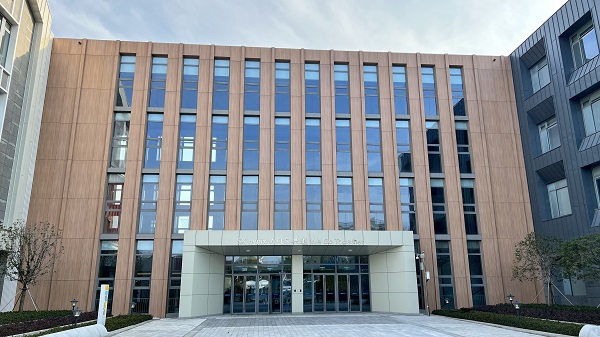
High-pressure laminate panels work exceptionally well for outdoor furniture and pergolas. These materials handle tough weather conditions, including rain, snow, and heat. They do not fade or rot, even after years of sun exposure. The panels are weatherproof and UV-resistant, maintaining their color and finish throughout extended use. Many industry standards confirm this performance through rigorous testing protocols.
According to ISO 4892 standards, panels undergo accelerated weathering tests like QUV or Xenon arc testing for at least 2,000 hours. These tests show minimal color shift and gloss loss. Products also meet fire classification standards such as EN 13501-1 and ASTM E84, reaching Class A or Class 1 ratings.
Tip:HPL waterproof properties mean the panels do not absorb moisture. This prevents warping or swelling, even in humid or rainy climates.
Here is a quick look at outdoor performance characteristics:
| Property | Description |
|---|---|
| Weather Resistance | Withstands outdoor weather without fading or rotting. |
| Applications | Used for garden furniture, pergolas, and decking. |
Durability and Lifespan
High-pressure laminate outdoor panels offer long-term durability and weather resistance. They resist scratches, dents, and impacts, making them a durable surface material for high-traffic areas. Research from composite materials studies shows most panels demonstrate no significant degradation after 10 years outdoors. In aggressive marine environments, many installations still look factory-fresh. The lightweight nature of these panels makes installation easier than with traditional materials.
| Findings | Percentage |
|---|---|
| No significant degradation after 10 years | 98% |
| Still looking factory-fresh in aggressive marine environments | Many |
Key Benefits for Outdoor Use
Low Maintenance
These outdoor panels require minimal maintenance and simple cleaning routines. Owners can wipe the surface with basic detergents. The non-porous surface prevents bacterial growth, which is important for outdoor furniture and pergolas. The material does not swell, warp, or delaminate in humid conditions. This means less time spent on upkeep and more time enjoying the space.
Resistance to Stains, Spills, and Burns
High-pressure laminate is scratch and stain resistant. It also resists burns and chemical spills. This makes it ideal for outdoor spaces where food, drinks, and sunlight can cause damage to other materials. The water and moisture resistance keeps surfaces looking new, even after years of use.
Panels withstand extreme weather conditions, UV rays, and moisture.
They require less frequent replacement, which reduces resource consumption.
Their long lifespan supports sustainability goals.
Ready to Transform Your Outdoor Space?
Get expert guidance on selecting the perfect HPL panels for your project. Our team is ready to help you create durable, beautiful outdoor furniture and surfaces.
Request a Free ConsultationExpert Recommendations
Industry specialists recommend outdoor panel products for main applications such as exterior cladding, outdoor furniture, and pergolas. Professional manufacturers focus on durability, safety, and design flexibility. Quality panels meet strict environmental standards, including E1 formaldehyde emissions and the exclusion of toxic heavy metals. They offer over 2,000 color options, giving designers a wide range of choices for creative projects.
| Feature | Description |
|---|---|
| Durability | Emphasis on long-lasting materials suitable for outdoor use. |
| Safety | Products meet stringent safety standards, including low formaldehyde emissions and fire resistance. |
| Design Flexibility | Offers a wide range of color options and innovative designs for creative architectural applications. |
| Environmental Standards | All products control formaldehyde emissions to meet E1 standards and exclude toxic heavy metals. |
| Fire Resistance | Development of B1 fire-resistant materials and ongoing advancements in A-class fireproof solutions. |
| Performance Features | Products are antibacterial, corrosion-resistant, and aging-resistant, suitable for various applications. |
| Color Options | Over 2,000 color options available, enhancing creative freedom for designers. |
High-pressure laminate outdoor panels combine strength, scratch and impact resistance, and a wide range of colors and designs. These features make them a top choice for anyone looking for a reliable, attractive, and sustainable solution for outdoor furniture and pergolas.
HPL Panel Features for Outdoor Use
What is an HPL Panel?
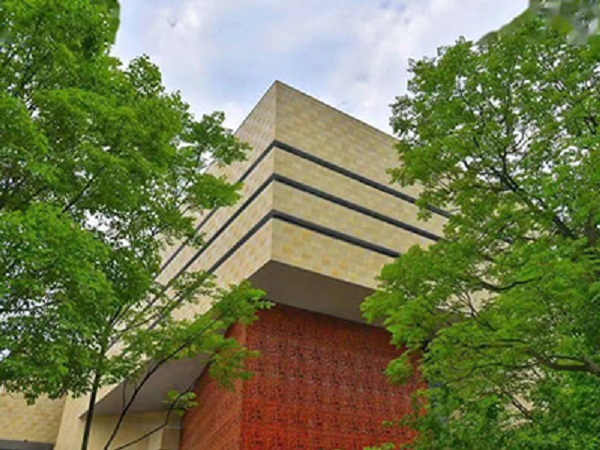
An HPL panel, also known as high-pressure laminate, is a strong and versatile building material. Manufacturers create these panels by pressing layers of kraft paper and decorative paper together with special resins under high heat and pressure. This process forms a dense, solid sheet that resists damage from weather, moisture, and daily use. According to building materials research, these panels work well for outdoor furniture, wall cladding, and other exterior projects.
Key Features for Exterior Applications
Double-Hardened Resin Layer
The double-hardened resin layer gives these panels their tough surface. This layer protects against scratches, stains, and fading. It also blocks water and UV rays, so the panel keeps its color and shape even after years outside. People choose this material for outdoor use because it stays looking new with little effort.
| Material Property | Contribution to Outdoor Performance |
|---|---|
| Durability | Panels are engineered for longevity and are resistant to wear, scratches, and scuffing. |
| Weather Resistance | Designed to withstand extreme weather conditions, including heavy rain and strong winds. |
| Fire Safety | High-performance UV-resistant coatings ensure exceptional color stability and surface integrity. |
| Moisture Resistance | The HPL laminate structure minimizes water absorption, preventing swelling, rot, and mold growth. |
Fire and Chemical Resistance
High-pressure laminate panels stand out for their fire and chemical resistance. The panels meet strict fire safety standards, making them a safe choice for outdoor spaces. They do not burn easily and produce very little smoke or toxic gas if exposed to flames. The panels also resist damage from cleaning chemicals, spills, and pollution.
| Material Property | Fire-Rated HPL | Standard Wood Veneer | PVC Panels |
|---|---|---|---|
| Ignition Temperature | ~400°C | ~250°C | ~180°C |
| Flame Spread Index (ASTM E84) | 25-75 | 100-200 | 75-200 |
| Smoke Development | Low (<450) | Moderate-High | High |
| Burning Droplets | None | Possible embers | Yes, flaming droplets |
| Toxic Gas Production | Minimal (CO₂, trace CO) | Moderate | High (HCl, dioxins) |
Specialized products like Non-combustible Laminate, HPL Laminate, Fiber Glass Laminate, Chemical Resistant Laminate, and Refractory Laminate are available. These products give extra protection in harsh outdoor environments.
Comparison with Other Outdoor Materials
High-pressure laminate panels offer several advantages over wood, PVC, and other outdoor materials. They last longer, need less maintenance, and stay safe in tough conditions. Here are some reasons why many people choose this material for exterior projects:
Exceptional durability ensures long-term performance.
Weather resistance protects against rain, snow, and temperature changes.
Fire-resistant properties meet safety standards.
Design versatility allows for many colors and textures.
Lightweight panels make installation easier.
Low maintenance saves time and money.
Resistance to graffiti and stains makes cleaning simple.
These panels combine all these features to deliver reliable results for outdoor furniture and exterior applications.
Types of Outdoor HPL Panels for Exterior and Furniture
Exterior-Grade HPL Panels
Exterior-grade panels stand out for their ability to handle outdoor environments. They offer a tough surface that resists scratches and wear. People choose these panels for projects that need long-lasting performance. The panels keep their color and strength even after years in the sun or rain. Many designers use them for outdoor furniture, wall cladding, and building facades.
Differences from Interior-Grade
Exterior-grade panels differ from interior-grade panels in several ways. They have a stronger core and a special resin layer. This layer protects against UV rays and moisture. Interior-grade panels work well indoors but may not last outside. Exterior-grade panels meet higher standards for weather resistance and durability.
Here is a quick comparison of the main characteristics:
| Characteristic | Description |
|---|---|
| Durability and Weather Resistance | HPL panels are resistant to wear, scratches, and extreme weather conditions, ensuring longevity. |
| Fire Safety and Chemical Resistance | Comply with fire safety standards and have non-porous surfaces for easy cleaning and maintenance. |
| Moisture Resistance | Minimized water absorption prevents swelling, rot, and mold growth, reducing maintenance costs. |
| Design Versatility | Offers a wide range of colors, textures, and finishes for aesthetic appeal and customization options. |
People often ask if they can use interior-grade panels outside. The answer is no. Only exterior-grade panels provide the protection needed for outdoor use.
Specialized Finishes and Textures
These panels come in many finishes and textures. Some have a matte finish that hides fingerprints and smudges. Others feature a glossy surface that reflects light and adds a modern look. Woodgrain and stone textures give outdoor furniture a natural feel. Designers can match the look of real wood or stone without the upkeep. Anti-graffiti finishes make cleaning easy in public spaces. These options help people create unique and attractive outdoor areas.
Tip: Specialized finishes not only improve appearance but also add extra protection against scratches and stains.
Thickness and Size Options
Panels for outdoor use come in a range of thicknesses and sizes. Thicker panels offer more strength for heavy-duty furniture or wall cladding. Thinner panels work well for decorative elements or lightweight structures. Here are some common options:
| Thickness Options | Available Sizes |
|---|---|
| 3 MM | 1300×3050 MM |
| 4 MM | 1220×3050 MM |
| 6 MM | 1300×2800 MM |
| 8 MM | 1220×2440 MM |
| 10 MM | 900×2150 MM |
| 12 MM | |
| Up to 20 MM |
People can choose the right thickness based on the project's needs. Large panels cover big surfaces with fewer joints. Smaller panels fit custom furniture or detailed designs. High-pressure laminate panels give flexibility for many outdoor projects.
Recommended Panel Selection
Quality manufacturers offer a wide selection of panels designed for outdoor furniture and exterior applications. Their teams understand that every project has unique needs. They help customers choose the right panel for each environment. Recommended panels stand out for their durability, weather resistance, and design flexibility.
For commercial buildings, these panels provide both style and strength. Office towers, retail centers, and hotels benefit because they handle high-traffic areas and offer many design options. Architects often select these panels to create modern facades that last for years.
In residential developments, the panels protect multi-story housing from rain, wind, and sun. These panels keep buildings looking fresh while staying lightweight. Builders appreciate how easy it is to install them, which helps save time and effort on large projects.
Healthcare facilities need surfaces that stay clean and resist bacteria. Quality panels meet these needs. Hospitals and clinics use these panels for outdoor seating, wall cladding, and even exterior walkways. The panels' non-porous surface makes cleaning simple and helps maintain a hygienic environment.
Schools and universities also rely on these panels for outdoor spaces. The panels resist vandalism and require little maintenance. Students and staff enjoy durable benches, tables, and wall coverings that look good year after year.
Industrial applications demand tough materials. Manufacturing facilities and warehouses use high-quality panels for weather protection and thermal insulation. These panels help keep buildings safe and energy-efficient, even in harsh conditions.
Here's a quick overview of where quality panels excel:
Commercial buildings: Office towers, retail centers, hotels
Residential developments: Multi-story housing, apartment complexes
Healthcare facilities: Hospitals, clinics, outdoor seating
Educational buildings: Schools, universities, playgrounds
Industrial applications: Warehouses, manufacturing plants
Tip: When choosing a panel, consider the specific needs of your project. Expert manufacturers can help match the right panel to your requirements, ensuring long-lasting results.
Customers trust experienced manufacturers because they combine technical expertise with a wide product range. Their panels deliver reliable performance in any outdoor setting. With so many options available, designers and builders can find the perfect solution for every exterior application.
Selecting the Right Outdoor HPL Panel
Assessing Project Needs
Every outdoor project starts with a clear understanding of its requirements. Designers and builders look at the size of the area, the type of furniture or surface, and the expected traffic. They decide if the panel will cover a wall, create a bench, or form a decorative feature. People also consider the environment, such as exposure to sun, rain, or chemicals. They check if the project needs extra fire resistance or antibacterial properties. These questions help them figure out how to choose the right panels for their space.
Factors to Consider
Climate and Exposure
Climate plays a big role in panel selection. Quality panels are engineered to handle extreme weather, including heat, cold, humidity, and UV rays. Their non-porous surface keeps moisture out, so panels do not swell or degrade in humid climates. People check the UV resistance level, especially in tropical regions. They make sure the fire rating matches local codes. The right thickness depends on the application—walls often use 6mm to 12mm panels. Builders want panels that stay strong and keep their color, even after years outside.
Color and Design
Designers match the color and texture of panels to the overall look of the project. They choose from matte, gloss, or textured finishes. Some want woodgrain or stone patterns for a natural feel. Others pick bold colors for modern spaces. Professional manufacturers offer over 2,000 color options, so designers have plenty of choices. The finish affects not only appearance but also cleaning and maintenance. People request physical samples to see how the panels look in real life.
Budget and Longevity
Budget matters for every project. People analyze tiered pricing for bulk orders and check the supplier's minimum order quantity. They factor in lead time and shipping costs. Warranty terms and after-sales support are important for long-term satisfaction. These panels last longer than many other materials, so they reduce replacement costs. Builders look for suppliers with strong business history, high review scores, and industry certifications. Trusted suppliers help ensure the panels perform well for years.
Tip: Always request samples and check certifications before making a final decision.
| Specification | Details |
|---|---|
| Fire Rating | Class A or B1 fire resistance certificates |
| Moisture & Chemical Resistance | Low water absorption (<5%) |
| Thickness & Core | 6mm-25mm thickness, HPL or honeycomb core |
| Surface Finish | Matte, gloss, or textured finishes |
Consulting Experts for Advice
Experienced manufacturers make the selection process easy. Their teams guide customers through each step, from consultation to installation. Here's how the process works:
| Step | Description |
|---|---|
| 1 | Demand Consultation and Measurement: The customer specifies needs and schedules on-site measurements. |
| 2 | Program Design and Quotation: Designers create a plan and provide a detailed quotation. |
| 3 | Signing the Contract: Both parties agree on the plan, price, and timeline. |
| 4 | Production: The manufacturer customizes panels based on the confirmed design. |
| 5 | Logistics Distribution and Installation Preparation: Delivery is arranged and installation is prepared. |
| 6 | On-site Installation and Construction: Installation follows the schedule. |
| 7 | Acceptance Delivery: Customers inspect the finished work before formal delivery. |
| 8 | After-sales Service: Warranty and support are provided for long-term satisfaction. |
Professional experts help customers select the best panels for their needs. They offer advice on color, thickness, and finish. Their support ensures every project gets the right panel for lasting performance and style.
Installing Outdoor HPL Panels: Step-by-Step Guide
Tools and Materials
Every successful installation starts with the right tools and materials. Installers gather everything before beginning work to avoid delays. Here's what they usually need:
HPL panels from a trusted supplier
Contact adhesive or laminate adhesive for secure bonding
Utility knife or jigsaw for cutting panels to size
Measuring tape for accurate measurements
Pencil or marker to mark cut lines and drill points
Straight edge or ruler for drawing straight lines
Clamps to hold panels steady during cutting or gluing (optional, but helpful)
Sanding block or file to smooth edges after cutting
Brush or roller for applying adhesive evenly
Safety gear, including gloves, goggles, and a mask
Screwdriver or drill for fastening panels to furniture or frames
Installers check that all tools work properly before starting. This step helps prevent mistakes and keeps the process smooth.
Safety Tips
Safety always comes first when working with these panels. Installers protect themselves and the panels by following these important tips:
Wear gloves, goggles, and a mask to guard against dust and sharp edges.
Use stainless steel hardware, such as grade 304 or 316, to prevent rust and ensure long-term durability.
Check panel alignment with a spirit level and precise measuring tools to avoid crooked installations.
Follow the manufacturer's torque guidelines when tightening screws to prevent damage to the panels.
Leave a 2–3mm expansion gap between panels for thermal movement.
Maintain a 20–25mm floor clearance for doors to prevent scraping.
Seal all edges and joints with silicone sealant or edge-banding to block moisture.
Ask for help from trained installers or request supervision from the supplier for best results.
Set up a quarterly maintenance routine to inspect and clean panels, keeping them in top shape.
Tip: Careful preparation and attention to detail during installation help panels last longer and look better.
Preparing Site and Panels
A clean and organized workspace makes installation easier and safer. Installers clear the area of debris and dust before bringing in the panels. They check that the surface or frame is level and sturdy. If installing on walls or battens, they make sure the structure can support the panel weight.
Installers inspect each panel for any visible defects before use. They lay out the panels in the order they will install them. This step helps them spot any color or pattern differences and plan for the best visual effect.
Before cutting, installers double-check all measurements. They mark cut lines clearly with a pencil or marker. Panels should rest flat on a stable surface during cutting to prevent chipping or cracking.
If using adhesive, installers clean both the panel and the substrate to remove dust or grease. They allow the adhesive to set according to the manufacturer's instructions. For mechanical fastening, they pre-drill holes where needed, following spacing guidelines.
Note: Good preparation saves time and reduces the risk of errors during installation. Installers who follow these steps achieve a professional finish and long-lasting results.
Cutting and Handling
Installers often start by measuring each panel carefully. They use a pencil or marker to draw clear cut lines. This step helps prevent mistakes during cutting. Installers choose a jigsaw or circular saw with a fine-tooth blade for best results. They secure the panel on a stable surface before cutting. This keeps the panel from moving and reduces the risk of chipping.
Gloves protect hands from sharp edges. Installers wear goggles to shield their eyes from dust. They always cut panels with the decorative side facing up. This method gives a clean edge and keeps the surface looking good. After cutting, they use a sanding block or file to smooth any rough edges. This step makes the panel safe to handle and improves the final look.
Installers store panels flat and dry before installation. They avoid stacking heavy objects on top. This prevents warping or bending. They keep panels away from moisture to protect the core. If panels get wet, they dry them completely before use.
Tip: Always use mechanical tools for drilling and cutting. This ensures clean holes and edges, which helps panels fit together perfectly.
Installation Methods for Furniture
Installers follow a step-by-step process when attaching panels to outdoor furniture. They start by aligning the panels with the frame. They mark drilling and fixing points with care. Stainless steel screws or rivets work best for fastening. These materials resist rust and last longer outdoors.
Installers keep a minimum 6mm gap between panels. This gap allows for expansion when temperatures change. They check that all panels sit evenly and align with the design. After fastening, they clean the surface to remove dust and fingerprints.
| Aspect | Recommendation |
|---|---|
| Recommended Thickness | 6mm (Exterior) / 3mm–6mm (Interior) |
| Fixing Material | Stainless Steel Screws / Rivets |
| Frame | Aluminum or GI |
| Panel Gap | 6mm minimum for expansion |
| Installation Steps | 1. Align sheets as per layout. 2. Mark drilling and fixing points. 3. Fix sheets with uniform spacing. 4. Check surface evenness and alignment. 5. Clean surface post-installation. |
Fastening and Edge Finishing
Installers use stainless steel screws or rivets for a secure hold. They drill holes slightly larger than the fastener to allow for movement. This prevents stress cracks. Installers cover exposed edges with edge banding or sealant. This step blocks moisture and gives a neat finish. They check all fasteners for tightness but avoid over-tightening, which can damage the panel.
Note: Edge finishing not only improves appearance but also protects the panel from water and dirt.
Installation for Exterior Surfaces
Installers choose between exposed and concealed fastening. Exposed fasteners give a strong, industrial look. Concealed fasteners create a smooth, seamless facade. Both methods work well for these panels.
Mounting on Battens (Aluminum/Wood)
Installers mount panels on aluminum or treated wood battens. They check that the substructure is level and strong. They use compatible materials to avoid corrosion. Installers leave a ventilated cavity behind the panels. This space helps manage moisture and improves insulation.
They fix panels with a combination of fixed and sliding points. Fixed points hold the panel in place. Sliding points let the panel expand and contract with temperature changes. Installers use proper hole diameters for each fastener.
Expansion Gaps and Ventilation
Installers always leave expansion gaps between panels. A 6mm gap is standard for most projects. These gaps prevent buckling or cracking when the weather changes. Installers maintain an air gap behind the panels for ventilation. This setup helps keep the wall dry and extends the life of the panels.
Tip: Following these steps ensures a durable, attractive installation that stands up to outdoor conditions.
Professional Installation Tips
Quality manufacturers share practical advice to help installers get the best results with outdoor panels. These tips make the installation process smoother and help panels last longer in tough outdoor conditions.
Substrate Preparation
Installers check that the substrate is dry and stable before starting. Wood substrates should have less than 12% moisture content. A solid base prevents warping and keeps panels secure.Adhesive Application
They choose water-resistant adhesives that match the environment. Contact adhesives work well when applied evenly. Uniform coverage stops moisture from collecting under the panel.Edge Treatment
Installers seal all field-cut edges with a suitable edge sealant. Factory edges resist moisture, but sealing them adds extra protection in wet areas. This step keeps water out and prevents damage.Joint Design
They design joints to shed water. Overlap joints protect better than butt joints. Proper profiling helps rain run off instead of seeping in.Expansion Accommodation
Installers leave expansion gaps based on panel size and expected temperature changes. They calculate the gap using the material's thermal expansion rate, usually between 15–25 × 10⁻⁶ per degree Celsius. This prevents panels from buckling or cracking.Penetration Sealing
Every hole for fasteners or utilities gets sealed with a compatible sealant. Long-lasting sealants keep water from entering through these points.
Tip: Careful attention to these details helps panels stay strong and beautiful for years. Installers who follow these steps avoid common problems like swelling, warping, or moisture damage.
| Installation Step | Why It Matters |
|---|---|
| Substrate Preparation | Prevents warping and ensures stability |
| Adhesive Application | Blocks moisture and keeps panels secure |
| Edge Treatment | Stops water from damaging panel edges |
| Joint Design | Helps rain run off and protects joints |
| Expansion Accommodation | Prevents buckling and cracking |
| Penetration Sealing | Keeps water out of drilled holes |
Professional teams recommend regular inspections after installation. They suggest checking sealants and expansion gaps every season. This routine keeps panels in top shape and extends their lifespan. Installers who use these tips create outdoor spaces that look great and stand up to weather year after year.
Maintenance and Care for Outdoor HPL Panels
Routine Cleaning
Keeping panels clean does not require much effort. Most people find that regular cleaning helps outdoor surfaces look fresh and new. They usually start with warm water and a soft cloth to wipe away dust and dirt. If the surface needs more attention, they use a common household glass cleaner. For tougher spots, green soap mixed in a 1:3 ratio works well. Some stains need a little extra help, so people reach for acetone or an adhesive remover. Vinegar, with about 10% acetic acid, can tackle stubborn marks. After cleaning, they rinse the panel with warm water and dry it with a soft cloth. This routine keeps the panels looking their best and supports hygiene and easy maintenance.
Tip: Always use gentle cleaning tools. Abrasive pads or harsh chemicals can damage the surface of panels.
Preventing and Fixing Issues
These panels are built to handle outdoor challenges, but a few simple steps can prevent most problems. People should always condition materials before lamination. This step helps the panels adjust to the environment. They also select faces and backers with similar expansion properties. Aligning the machine direction of both sides prevents distortions. When using hot pressing, adding a backer improves stability.
Some common issues include delamination, poor bonding, and moisture problems. Delamination often happens when adhesive is not applied correctly. Insufficient bonding pressure can also cause surfaces to separate. High humidity sometimes leads to moisture condensation. People can avoid these problems by following the manufacturer's instructions and checking the installation regularly.
Stains, Scratches, Fading
Outdoor panels resist stains and scratches, but accidents can happen. If someone spills coffee or food, they should clean it up right away with warm water and a soft cloth. For stubborn stains, a small amount of acetone or vinegar usually does the trick. Light scratches often disappear with a gentle rub using a soft cloth. Deeper scratches may need a special repair kit designed for these surfaces.
Fading rarely occurs because panels have UV-resistant properties. These panels keep their color and finish, even after years in the sun. If fading does appear, it usually means the panel has reached the end of its service life. In most cases, people can replace only the affected panel without changing the entire installation.
Note: Regular cleaning and quick action on spills or scratches help panels stay beautiful and strong for many years.
Seasonal Maintenance
Each season brings different challenges for outdoor panels. In spring, people check for any dirt or debris that built up over winter. They clean the panels and inspect for any signs of damage. Summer heat can cause expansion, so they look at the expansion gaps and make sure nothing blocks them. In autumn, falling leaves and rain may leave stains, so another cleaning helps. Winter brings cold and moisture, so people check for any water pooling around the panels.
A simple checklist helps keep panels in top shape:
Inspect all panels for cracks, chips, or loose edges.
Clean surfaces with warm water and a soft cloth.
Check expansion gaps and clear away any debris.
Make sure all fasteners and joints stay tight and sealed.
By following these steps, people can enjoy long-lasting performance from their outdoor panels all year round.
Manufacturer Support for Durability
Leading manufacturers stand behind every outdoor panel. They know that durability matters most to customers who invest in exterior furniture and cladding. Their support goes beyond just selling panels. They help customers keep their outdoor spaces looking great for years.
Customers often ask how companies support long-term durability. The answer starts with a strong quality foundation. Quality manufacturers use strict quality checks at every stage of production. Each panel meets high standards before it leaves the factory. This attention to detail helps prevent problems before they start.
Industry leaders believe in rational and sustainable development. They do not rush new products to market. Instead, they test materials in real-world conditions. They want every panel to last through rain, sun, and daily use. This approach means customers get panels that perform well over time.
Continuous research and development play a big role in their support. R&D teams look for new ways to improve panels. They study how materials react to weather, stains, and impacts. When they find a better formula or process, they update their products. Customers benefit from these innovations with panels that resist fading, cracking, and stains.
Professional manufacturers also offer technical support for installation and maintenance. Their experts answer questions about cleaning, repairs, and seasonal care. Customers can reach out for advice if they notice any issues. The support team helps solve problems quickly, so panels stay in top shape.
Here's how quality manufacturers support durability for every customer:
They use strict quality control during manufacturing.
They focus on sustainable and moderate product development.
Their R&D teams work on material innovation and testing.
They provide technical support for installation and maintenance.
They offer guidance for cleaning, repairs, and seasonal checks.
Tip: Customers who follow the manufacturer's care guidelines see the best results. Regular cleaning and quick action on small issues help panels last even longer.
Customers trust professional manufacturers because they combine advanced materials with real support. Their commitment to quality and innovation means outdoor spaces stay beautiful and strong year after year.
Common Mistakes and Troubleshooting
Installation Errors
Many people run into trouble during panel installation because they skip important steps. They sometimes choose the wrong grade or thickness for their project. Thin panels in wet or busy areas can warp or crack. Installers should always pick 12mm HPL sheets for places with lots of moisture.
Some teams rush to install panels before the site is ready. Dust and dampness can weaken adhesive bonds. Installers need to wait until the area is clean and dry. Using cheap or mismatched hardware causes problems, too. Low-quality screws or hinges rust quickly and ruin the finish. Stainless steel hardware, like grade 304 or 316, works best for outdoor panels.
Panel alignment matters. If installers do not check with a spirit level, gaps look uneven. Over-tightening screws can chip or crack the surface. Installers should follow the manufacturer's torque guidelines. Expansion gaps are important. Without a 2–3mm gap, panels may bulge or warp when the weather changes.
Door clearance and hardware placement also cause issues. Hinges or locks in the wrong spot can damage panel edges. Installers should keep a 20–25mm floor clearance for doors. Unsealed edges let water seep into the core. Silicone sealant or edge-banding blocks moisture. Untrained workers sometimes make mistakes that weaken the structure. Professional supervision helps avoid these errors.
Here's a quick look at common installation mistakes and how to fix them:
| Common Installation Errors | Problems | Solutions |
|---|---|---|
| Wrong grade/thickness | Warping, cracking | Use 12mm HPL panels in wet areas |
| Site not ready | Poor bonding | Wait for clean, dry conditions |
| Cheap hardware | Rust, finish damage | Use stainless steel hardware |
| Bad alignment | Uneven gaps | Use spirit levels and measure |
| Over-tightening | Chips, cracks | Follow torque recommendations |
| No expansion gap | Bulging, warping | Leave 2–3mm gap |
| Bad door clearance | Edge damage | Keep 20–25mm clearance |
| Unsealed edges | Water damage | Seal with silicone or edge-band |
| Untrained installers | Weak structure | Use trained teams |
Maintenance Mistakes
People sometimes forget that panels need simple but regular care. Skipping cleaning lets dust and moisture build up. This can dull the surface or cause stains. Some use harsh chemicals or abrasive pads. These products scratch or damage the finish. Gentle cleaners and soft cloths work best.
Ignoring expansion gaps during seasonal checks can lead to trouble. Debris or dirt in the gaps stops panels from moving as they should. This can cause warping or cracks. People sometimes forget to check fasteners and joints. Loose screws or open joints let water in and weaken the structure.
Some owners do not set a maintenance routine. Without regular checks, small problems grow bigger. A quarterly cleaning and inspection keeps panels looking good and working well.
Troubleshooting Tips
When problems show up, quick action helps. If a panel warps or bulges, check the expansion gaps. Clear out any debris and make sure there is enough space for movement. For stains, use warm water and a soft cloth first. If that does not work, try a mild cleaner or a little vinegar.
If edges start to peel or delaminate, check the sealant. Reseal with silicone or edge-banding to block moisture. For loose hardware, tighten screws gently. Do not over-tighten, or the material may crack. If a panel cracks or chips, replace only the damaged piece. There is no need to redo the whole installation.
Tip: Regular cleaning and quick repairs help panels last longer and look better.
Expert Troubleshooting Advice
Industry professionals have seen many outdoor projects succeed when people follow a few simple rules. Their teams share advice to help customers get the best results and avoid common headaches.
Start with the right panel
Many people ask, "How do I choose the right panel for my project?" The answer is simple. Always select exterior-grade panels for outdoor use. These materials resist weather, UV rays, and moisture. Interior-grade panels may look similar, but they cannot handle outdoor conditions.Prepare the site carefully
Customers often wonder, "What should I do before installing?" Teams recommend cleaning and leveling the installation area. A stable, dry surface helps panels stay flat and secure. If the site is damp or uneven, problems can show up later.Use quality hardware and adhesives
People sometimes ask, "Which fasteners work best?" Stainless steel screws or rivets last longer outdoors. Water-resistant adhesives keep panels firmly in place. Cheap hardware can rust or fail, so it pays to invest in quality.Leave room for movement
"Why do panels need expansion gaps?" This question comes up a lot. Materials expand and contract with temperature changes. A 2–3mm gap between panels prevents warping or cracking. Installers should also check that joints and edges are sealed to block moisture.Seal edges and joints
Customers want to know, "How do I protect panel edges?" The answer is edge banding or silicone sealant. Sealing all cut edges and joints keeps water out and extends the life of the panels.Check your work regularly
"How often should I inspect my panels?" Teams suggest a quick check every season. Look for loose fasteners, open joints, or blocked expansion gaps. Early action on small issues prevents bigger problems.
Tip: Professional manufacturers encourage customers to reach out with questions. Their technical support teams can help with installation, cleaning, or repairs. They believe that good communication leads to better results.
Here's a quick checklist for success:
| Step | Why It Matters |
|---|---|
| Choose exterior-grade panels | Handles weather and UV exposure |
| Prepare the site | Prevents uneven or unstable surfaces |
| Use quality hardware | Stops rust and keeps panels secure |
| Leave expansion gaps | Prevents warping and cracking |
| Seal edges and joints | Blocks moisture and dirt |
| Inspect regularly | Catches issues before they grow |
By following these steps, customers can enjoy beautiful, long-lasting outdoor spaces. Professional advice helps people avoid mistakes and get the most from their panels.
Need Expert Guidance for Your Project?
Our experienced team is ready to help you select, install, and maintain the perfect outdoor panels for your specific needs. Get professional support every step of the way.
Contact Our Experts NowConclusion
High-pressure laminate panels give outdoor furniture and exterior spaces a strong, weather-resistant surface. They last for years and need little care. People who choose this material see fewer stains and less fading. They get more design options and easy cleaning. Readers can follow the selection, installation, and maintenance steps for the best results. Professional manufacturers offer expert support for every project. Their teams help customers create beautiful, long-lasting outdoor spaces.
About Professional HPL Manufacturing: Leading companies focus on comprehensive panel solutions for many industries. Their products combine durability, safety, and style to meet diverse project requirements.
Frequently Asked Questions
HPL panels resist water and UV rays. They do not swell or fade. They keep their color and shape, even after years outside.
Most people clean panels every few weeks. A soft cloth and warm water remove dirt. For tough stains, a mild cleaner works best.
Yes. HPL panels resist heat, stains, and spills. They do not burn easily. They work well around grills and outdoor cooking spaces.
Installers can cut panels with standard tools. They use a jigsaw or circular saw. Custom shapes fit furniture, walls, or creative designs.
Installers seal all cut edges and joints. This step blocks moisture. Factory edges usually need no extra treatment.
Light scratches disappear with a soft cloth. Deeper marks need a repair kit made for these surfaces. Most scratches do not affect performance.
HPL panels last over 10 years outdoors. They resist weather, stains, and impacts. Many panels look new after years of use.
Professional manufacturers offer expert advice. They help with color, thickness, and finish. Customers get support from selection to installation.
Tags:
CATEGORIES:

 Contact Us
 Online Sales
 Case Study
 News Center
 Product Brochure