Is Compact Laminate Worth It? A Complete Value Analysis for 2025

When homeowners and businesses consider upgrading their surfaces, one question consistently arises: is Compact Laminate Sheet worth the investment? This comprehensive guide examines the true value proposition of this innovative material, helping readers make informed decisions based on durability, cost-effectiveness, and long-term performance.
Key Takeaways
Initial costs are 30-40% higher than traditional laminate but 60-70% lower than premium alternatives
Expected lifespan of 20+ years provides excellent cost-per-year value
Minimal maintenance requirements reduce long-term ownership costs
Superior water resistance prevents common failure modes of traditional laminates
Professional installation is required but ensures optimal performance
Aesthetic versatility allows matching diverse design preferences
Environmental sustainability adds value for eco-conscious projects
Understanding the Investment Question
The decision to invest in this material goes beyond simple price comparison. Property owners face a critical choice between immediate affordability and long-term value. This engineered surface material has emerged as a compelling middle-ground option, positioned between budget-friendly traditional laminates and premium natural stone surfaces.
To answer whether this investment makes sense, one must examine multiple factors: initial costs, longevity, maintenance requirements, aesthetic appeal, and functional performance. Each element contributes to the overall value equation that determines whether this material delivers genuine worth for specific applications.
Breaking Down the Cost Factor
Price remains a primary consideration for most buyers. The surface typically costs significantly more than standard laminate options but substantially less than quartz or granite alternatives. According to industry market analysis, the global market for these materials was valued at approximately USD 4.29 billion in 2024, reflecting growing demand across residential and commercial sectors.
Current market research indicates these materials generally range from £135 to £180 per square meter for residential applications, with professional installation adding approximately £80-£90 per meter to the total investment. Compared to premium alternatives like quartz worktops that average around £450-£550 per meter, this represents considerable savings. Traditional laminate surfaces might start at £60-£100 per meter, offering lower upfront costs but potentially higher long-term expenses through replacement and maintenance.
The critical insight involves looking beyond initial purchase price. When evaluated over a 15-25 year lifespan, the total cost of ownership often favors the higher-quality engineered option. Traditional surfaces may require replacement within 10-12 years, while properly maintained solid laminate surfaces regularly exceed 20 years of service life, according to performance data from multiple manufacturers.
Durability: The Core Value Proposition
The manufacturing process creates exceptional strength that justifies the premium over standard options. Multiple layers of kraft paper saturated with phenolic resin undergo compression under extreme pressure and heat, forming a dense, homogeneous material without chipboard cores or substrates. This production method is standardized under ISO 4586 international specifications for high-pressure decorative laminates.
This construction method delivers remarkable resistance to daily wear. The material withstands scratches from kitchen utensils, impacts from dropped objects, and general abrasion that would damage lesser surfaces. Independent testing confirms resistance ratings that exceed standard residential requirements, making these surfaces suitable even for commercial applications with heavy traffic.
Water resistance represents another crucial durability factor. Unlike traditional laminates with particle board cores that swell and delaminate when exposed to moisture, solid construction throughout the material provides superior protection. This characteristic makes it particularly valuable for areas near sinks, in bathrooms, or any moisture-prone environment.
Practical Applications and Performance
The material's versatility extends across numerous residential and commercial applications. Kitchen worktops represent the most common use, where the combination of durability, water resistance, and ease of maintenance addresses practical daily needs. The non-porous surface prevents bacterial growth, an essential feature for food preparation areas.
Bathroom applications benefit from inherent moisture resistance. Unlike materials that require careful sealing around sinks and fixtures, solid-core construction naturally repels water penetration. This property eliminates common failure points that plague traditional laminate installations.
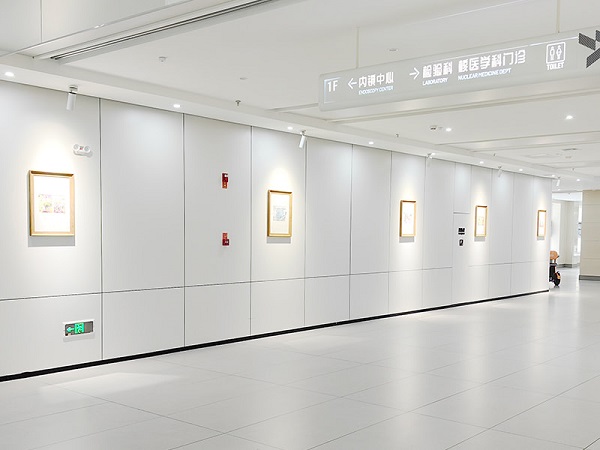
Commercial settings including offices, educational institutions, healthcare facilities, and retail environments increasingly specify these materials. The combination of durability, hygiene properties, and lower maintenance requirements compared to natural alternatives makes them economically attractive for high-traffic locations.
Maintenance and Long-Term Costs
One of the most compelling value arguments centers on minimal maintenance requirements. Daily cleaning requires nothing more than a damp cloth with mild detergent. The non-porous surface resists staining, eliminating the need for special cleaning products or periodic sealing treatments required by natural stone.
The material's resistance to common household chemicals provides additional practical value. Accidental spills of cleaning products, oils, or acidic substances can be wiped away without causing permanent damage. This forgiving nature reduces anxiety about everyday use and eliminates costs associated with professional restoration services.
However, limitations exist. Heat resistance, while adequate for most applications, requires caution with extremely hot cookware. Using trivets or heat pads remains advisable. Additionally, unlike some natural materials that can be refinished, damage to the surface cannot be easily repaired and may require section replacement.
Design Flexibility and Aesthetic Value
Modern manufacturing techniques enable extensive design possibilities. Available finishes convincingly replicate marble, granite, wood, and solid colors. This variety allows property owners to achieve desired aesthetics without the cost premium of authentic materials.
The slim profile—typically 12-13mm compared to traditional 30-40mm worktops—creates a contemporary, minimalist appearance increasingly popular in modern design. This sleek aesthetic contributes perceived value that extends beyond pure functionality.
Color consistency throughout the material thickness allows for exposed edges and integrated features like drainage grooves. Matched polymer edge treatments create virtually seamless joints, delivering an appearance that approaches solid surface materials at a fraction of the cost.
Comparing Value Against Alternatives
| Material Type | Initial Cost | Lifespan | Maintenance | Water Resistance |
|---|---|---|---|---|
| Traditional Laminate | Low (£60-100/m) | 10-12 years | Easy but vulnerable | Poor to moderate |
| Solid Laminate | Moderate (£135-180/m) | 20+ years | Very easy | Excellent |
| Quartz | High (£400-550/m) | 25+ years | Easy | Excellent |
| Natural Stone | High (£350-500/m) | 20+ years | Requires sealing | Varies by type |
This comparison illuminates the value position. The engineered material delivers durability approaching premium materials at costs closer to budget options. For many applications, this balance represents optimal value.
When the Investment Makes Sense
Ideal Situations
Budget-conscious projects requiring durability
Moisture-prone areas like kitchens and bathrooms
Commercial spaces with moderate to heavy traffic
Rental properties balancing cost and longevity
Contemporary design preferences favoring slim profiles
Applications requiring hygienic, easy-clean surfaces
Consider Alternatives When
Extremely tight budgets demand lowest upfront costs
Luxury aesthetics are non-negotiable requirements
Surfaces will experience frequent high-heat exposure
Absolute scratch invisibility is essential
Professional installation resources are unavailable
Installation Considerations
Professional installation represents a necessary investment. The dense material requires specialized cutting equipment and expertise that typical DIY enthusiasts lack. This contrasts with traditional laminates that homeowners can sometimes install independently, reducing labor costs.
Installation complexity adds to the overall investment but ensures proper fitting and longevity. Professional installers understand how to handle the material's weight, create precise cuts for sinks and fixtures, and execute joining techniques that maintain the surface's waterproof integrity.
Environmental and Sustainability Factors
Sustainability-conscious buyers appreciate that many manufacturers utilize renewable kraft paper sources and implement environmentally responsible production processes. The long service life also contributes to sustainability by reducing replacement frequency and associated waste.
Compared to natural stone extraction or solid surface manufacturing, the production process typically involves lower energy consumption and reduced environmental impact. For projects with sustainability goals, this represents additional value beyond pure performance metrics.
Real-World Performance Feedback
Industry professionals and homeowners consistently report satisfaction with long-term performance. Common praise focuses on the material's ability to maintain appearance over many years, resistance to typical household damage, and hassle-free maintenance.
Critical feedback most often relates to expectations management. Buyers expecting natural stone appearance and performance at laminate prices sometimes experience disappointment. However, when expectations align with the material's actual capabilities, satisfaction ratings remain high.
The Verdict: Is It Worth It?
For most residential and commercial applications, the answer is affirmative. The material delivers exceptional value by combining durability approaching premium materials with costs significantly below those alternatives. The sweet spot positioning makes it worthwhile for projects where budget matters but performance cannot be compromised.
The investment proves particularly worthwhile for moisture-prone areas, high-traffic locations, and situations where long-term cost-effectiveness outweighs minimal initial savings. Property owners seeking professional appearance, low maintenance, and lasting performance find genuine value in this engineered solution.
However, value remains subjective. Projects with extremely limited budgets might opt for less expensive alternatives despite shorter lifespans. Luxury projects where cost takes secondary importance to prestige might choose premium natural materials. The key involves matching material characteristics to specific project requirements and priorities.
Making Your Decision
Evaluating whether this material represents a worthwhile investment requires honest assessment of project priorities. Consider the application environment, expected usage intensity, budget parameters, aesthetic goals, and maintenance willingness.
For kitchens, bathrooms, and work surfaces in residential settings, the combination of durability, water resistance, and reasonable cost creates compelling value. Commercial applications benefit from hygienic properties, minimal maintenance, and long service life that reduces replacement frequency.
Budget-conscious projects gain optimal value when extended lifespan is calculated into total cost of ownership. While initial investment exceeds basic alternatives, avoiding premature replacement within 10-12 years delivers genuine savings.
The material's worth ultimately depends on alignment between its characteristics and project requirements. For applications matching its strengths—durability, water resistance, low maintenance, contemporary aesthetics—it delivers exceptional value that justifies the investment premium over basic alternatives.
Looking for a Reliable China Compact Laminate Sheet Supplier?
When you're ready to invest in quality materials for your project, choosing the right supplier matters as much as selecting the right material. Experience, product quality, and reliable service ensure your investment delivers the expected value and performance.
HUAJIALE offers comprehensive solutions backed by industry expertise and commitment to customer satisfaction. Whether you're undertaking residential renovation or large-scale commercial projects, partnering with established suppliers ensures access to quality products and professional support throughout your project lifecycle.
Frequently Asked Questions
CATEGORIES:

 Contact Us
 Online Sales
 Case Study
 News Center
 Product Brochure