Is Compact Laminate Waterproof? The Complete Truth About Water Resistance in 2026

When specifying materials for high-moisture environments like commercial restrooms, locker rooms, or laboratory facilities, professionals frequently question whether Compact laminate can withstand constant water exposure. This durable material has transformed architectural design, but understanding its true waterproof capabilities requires examining both its composition and real-world performance.
Key Takeaways
Compact laminate demonstrates exceptional water resistance with absorption rates below 6% after 24-hour immersion testing
The material's solid core construction prevents water penetration unlike traditional particle board laminates
Proper edge sealing and installation techniques significantly enhance long-term moisture performance
Industry testing confirms Compact laminate maintains structural integrity in humidity levels exceeding 90%
Edge treatment remains the critical factor determining moisture resistance in practical applications
Understanding Compact Laminate Composition
Compact laminate consists of multiple layers of kraft paper saturated with thermosetting resins, compressed under extreme heat and pressure ranging from 1,000 to 1,400 PSI. This manufacturing process creates a homogeneous solid core material fundamentally different from conventional laminates bonded to substrate materials. The continuous resin matrix throughout the panel provides inherent resistance to moisture penetration.
The material achieves its density through specialized manufacturing where decorative surface papers merge with multiple core layers under controlled conditions. According to materials engineering research, this process produces panels with densities ranging from 1.35 to 1.45 g/cm³, creating a barrier against water absorption that surpasses traditional wood-based products.
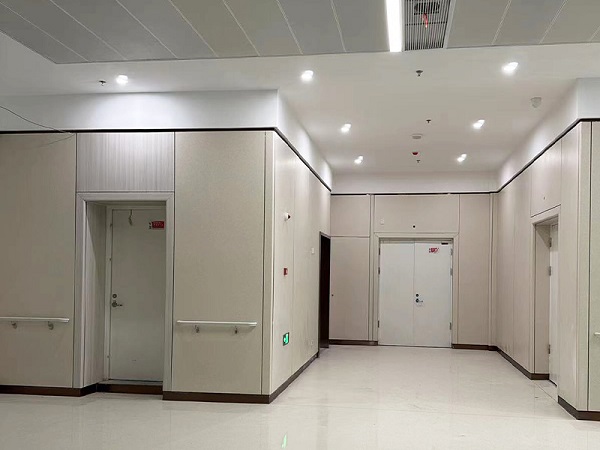
Water Resistance vs. Waterproof: Critical Distinctions
Industry professionals must distinguish between water-resistant and waterproof classifications. While Compact laminate exhibits outstanding water resistance, no laminate material achieves complete impermeability when subjected to prolonged submersion. The material's performance depends on exposure duration, water temperature, and edge treatment methods.
Testing conducted under ASTM D1037 standards demonstrates that properly manufactured Compact laminate panels absorb minimal moisture during typical usage scenarios. The material's closed-cell structure limits water infiltration to surface contact areas, preventing the swelling and delamination common in particle board alternatives.
Surface Water Interaction
The decorative surface layer receives additional resin treatment during manufacturing, creating a protective barrier that repels standing water for extended periods. Surface water typically beads rather than absorbing, allowing easy cleanup and maintenance. This characteristic makes Compact laminate particularly suitable for splash zones and areas experiencing regular water contact.
Performance Data and Testing Results
Objective testing provides concrete evidence of Compact laminate water resistance capabilities. Independent laboratory evaluations measure moisture absorption under controlled conditions, offering reliable performance indicators for specification decisions.
| Test Parameter | Compact Laminate Result | Industry Standard |
|---|---|---|
| 24-Hour Water Absorption | 3-6% | Maximum 6% |
| Thickness Swelling (24h) | 0.5-1.5% | Maximum 2% |
| Surface Wettability | Contact Angle 70-85° | Minimum 65° |
| Humidity Resistance (90% RH) | No dimensional change | Pass/Fail criteria |
| Steam Resistance (2 hours) | Grade 4-5 (Excellent) | Minimum Grade 3 |
These results indicate HPL laminate maintains structural stability when exposed to moisture conditions typical of commercial environments. The low absorption percentage confirms the material's suitability for wet areas, though complete submersion scenarios require additional protective measures.
Critical Installation Factors Affecting Water Performance
Even high-quality Compact laminate requires proper installation techniques to maximize water resistance. Edge treatment stands as the most crucial factor determining long-term moisture performance in real-world applications.
Edge Sealing Methods
Exposed edges represent the primary vulnerability in Compact laminate installations. While the panel core resists moisture effectively, cut edges expose paper layers that can absorb water through capillary action. Professional installers apply specialized edge sealants or PVC edge banding to create continuous moisture barriers around panel perimeters.
Manufacturers recommend applying waterproof silicone sealants to all cut edges before installation in high-moisture environments. This simple step dramatically reduces water infiltration potential and extends material lifespan in demanding applications.
Joint and Fastener Considerations
Panel joints require careful attention during installation. Technical specifications recommend maintaining expansion gaps of 2-5mm between panels to accommodate thermal movement without creating water entry points. Properly sealed joints using neutral-cure silicone prevent moisture accumulation between adjacent panels.
Fastener penetrations through Compact laminate panels create potential moisture pathways. Stainless steel hardware with EPDM rubber washers provides mechanical attachment while maintaining water-tight seals. Avoiding over-tightening prevents panel damage that could compromise water resistance.
Comparing Compact Laminate to Alternative Materials
Understanding Compact laminate's position among competing materials helps architects and contractors make informed specification decisions for moisture-prone environments.
| Material Type | Water Absorption | Humidity Tolerance | Maintenance Requirements |
|---|---|---|---|
| Compact Laminate | 3-6% | Excellent (90%+ RH) | Low |
| Powder-Coated Steel | Non-absorbent | Good (requires coating maintenance) | Moderate |
| Solid Plastic (HDPE) | < 0.01% | Excellent | Low |
| Particle Board Laminate | 18-30% | Poor | High |
| Stainless Steel | Non-absorbent | Excellent | Moderate (fingerprints) |
This comparison reveals Compact laminate offers superior moisture resistance compared to traditional laminated products while maintaining more favorable cost-performance ratios than solid plastic or stainless steel alternatives.
Real-World Applications in Wet Environments
HPL laminate has proven its water resistance capabilities across numerous commercial applications where moisture exposure occurs regularly. Understanding these successful implementations helps predict material performance in similar conditions.
Commercial Restroom Installations
Toilet partitions manufactured from Compact laminate dominate the commercial restroom market due to their moisture resistance and durability. These installations experience daily exposure to water splashes, humidity levels between 60-85%, and cleaning chemicals. Field performance data spanning decades confirms properly installed Compact laminate partitions maintain structural integrity and appearance under these demanding conditions.
The material resists the swelling and delamination that plagues particle board alternatives in similar environments. Facility managers report significantly reduced maintenance costs and extended replacement cycles when specifying Compact laminate for restroom applications.
Locker Room and Shower Facilities
Athletic facilities, fitness centers, and pool complexes utilize Compact laminate for locker construction and partition systems in high-humidity environments. These applications test material performance under continuous moisture exposure combined with temperature fluctuations and regular impact stress.
Installation guidelines from government facilities standards emphasize proper ventilation and drainage design to complement HPL laminate's inherent moisture resistance. When environmental controls maintain humidity levels below 85%, the material performs exceptionally well throughout its expected service life.
Laboratory and Healthcare Settings
Laboratory benchtops and healthcare casework manufactured from Compact laminate withstand frequent exposure to water, cleaning agents, and disinfectants. The material's chemical resistance complements its moisture protection, making it ideal for environments requiring rigorous sanitation protocols.
Maintenance Practices That Preserve Water Resistance
Proper maintenance extends Compact HPL laminate performance and preserves its water-resistant properties throughout the material's service life. Simple preventive measures prevent common issues that could compromise moisture protection.
Regular Cleaning Protocols
Standard cleaning procedures using mild detergents with pH levels between 6-8 and water maintain surface integrity without degrading moisture resistance. Avoiding abrasive cleaners and harsh chemicals preserves the protective resin layer that provides water repellency. Facility maintenance teams should wipe standing water promptly rather than allowing prolonged surface contact.
Inspection and Repair
Periodic inspection of panel edges, joints, and fastener penetrations identifies potential moisture entry points before significant water damage occurs. Reapplying edge sealant to damaged areas provides economical protection extension. Addressing minor issues promptly prevents costly panel replacement later.
Limitations and Scenarios Requiring Caution
While Compact HPL laminate demonstrates impressive water resistance, certain applications exceed the material's capabilities. Understanding these limitations prevents specification errors and performance failures.
Continuous Submersion
Compact laminate is not suitable for applications involving permanent submersion in water. Pool linings, water tanks, or below-grade waterproofing require truly waterproof materials specifically engineered for complete immersion. The paper-based core will eventually absorb water when constantly submerged, regardless of surface treatment quality.
Extreme Humidity Without Ventilation
Enclosed spaces with sustained humidity levels approaching 95-100% and inadequate ventilation may eventually compromise Compact laminate performance. Steam rooms, saunas, and poorly ventilated shower enclosures require specialized materials or enhanced installation techniques including complete edge encapsulation and frequent maintenance.
Cost-Benefit Analysis for Wet Applications
Evaluating Compact laminate against alternatives requires considering both initial costs and lifecycle expenses. The material's water resistance contributes significantly to long-term value in appropriate applications.
Initial material costs for Compact laminate typically fall between particle board laminates and solid plastic alternatives. However, the extended service life in moisture-prone environments—often 15-25 years with proper maintenance—delivers favorable total cost of ownership. Reduced replacement frequency and minimal maintenance requirements offset higher upfront investment compared to cheaper materials requiring frequent replacement.
Research from building research institutes indicates that lifecycle cost analysis consistently favors Compact laminate for commercial wet area applications when project timelines extend beyond five years.
Manufacturing Quality Variations
Not all Compact laminate products offer identical water resistance performance. Manufacturing quality significantly impacts moisture protection capabilities, making supplier selection an important specification consideration.
Premium manufacturers maintain strict quality control over resin saturation levels, pressing pressures, and curing cycles. These variables directly affect the material's density and moisture barrier effectiveness. Specifiers should request third-party test data confirming water absorption rates below 6% and dimensional stability under humid conditions before finalizing material selections.
Environmental Considerations
The water resistance properties of Compact laminate contribute to sustainable building practices by extending material lifespan and reducing replacement frequency. Durable materials that maintain performance in challenging environments support waste reduction goals central to green building initiatives.
Many Compact laminate products now incorporate recycled content ranging from 20-40% while maintaining moisture resistance standards. Manufacturers increasingly offer formaldehyde-free resin systems that preserve water barrier properties without compromising indoor air quality—an important consideration for enclosed wet areas with limited ventilation.
Future Developments in Moisture Protection
Material science advances continue improving Compact laminate water resistance capabilities. Manufacturers are developing enhanced resin formulations that further reduce moisture absorption rates while maintaining the material's other desirable properties including impact resistance and chemical tolerance.
Emerging technologies include nano-particle additives that create more complete moisture barriers within the resin matrix. These innovations promise Compact laminate products with water resistance approaching truly waterproof materials while preserving the aesthetic versatility and cost advantages that make the material popular for commercial applications.
Conclusion
Compact laminate demonstrates excellent water resistance suitable for most commercial applications involving regular moisture exposure. While not completely waterproof in technical terms, the material's low absorption rates below 6%, minimal dimensional change under humid conditions, and proven field performance make it an outstanding choice for restroom partitions, locker systems, laboratory surfaces, and similar wet area applications.
Success depends on proper installation techniques—particularly edge sealing and joint treatment—combined with appropriate application selection. When specified correctly and maintained according to manufacturer guidelines, Compact laminate provides decades of reliable performance in moisture-rich environments at favorable lifecycle costs. The material represents a practical balance between water protection, durability, aesthetics, and value for commercial construction projects.
Frequently Asked Questions
Can Compact laminate be used in outdoor applications?
Compact laminate performs well in covered outdoor areas protected from direct rain exposure. Uncovered exterior applications require specially formulated outdoor-grade products with enhanced UV and moisture resistance. Standard interior-grade Compact laminate will degrade under continuous weather exposure.
How long does Compact laminate last in wet environments?
Properly installed and maintained HPL laminate typically provides 15-25 years of service in commercial wet areas. Service life depends on installation quality, maintenance practices, and exposure severity. Facilities with excellent ventilation and routine maintenance often exceed these timeframes.
What happens if water penetrates Compact laminate edges?
Unsealed edges can absorb water through exposed paper layers, causing localized swelling typically 2-5% in thickness and potential delamination. This damage usually remains confined to the affected area rather than spreading throughout the panel. Proper edge sealing prevents this issue entirely.
Is special cleaning required to maintain water resistance?
No special cleaning products are necessary. Standard neutral pH detergents (pH 6-8) and water effectively clean Compact laminate without compromising moisture protection. Avoid abrasive cleaners that could scratch the protective surface layer and harsh chemicals that might degrade resin components.
Can Compact laminate be used for shower stall partitions?
Yes, Compact laminate works well for shower partitions in commercial and residential applications when properly installed with sealed edges and adequate drainage. The material handles regular water exposure from showering without performance degradation, making it popular for gym and pool facilities.
Does Compact laminate require periodic resealing?
The surface does not require resealing, but edge sealants should be inspected annually in high-moisture applications. Damaged or worn edge sealing should be repaired promptly. Surface water resistance remains stable throughout the material's service life without maintenance.
What thickness is recommended for wet area applications?
Standard thicknesses of 10-13mm provide adequate moisture resistance for most commercial applications. Thicker panels (up to 25mm) offer additional durability and impact resistance but do not significantly improve water resistance properties. Thickness selection should prioritize structural requirements over moisture concerns.
CATEGORIES:

 Contact Us
 Online Sales
 Case Study
 News Center
 Product Brochure