Complete Guide to HPL Grade Laminate: Definition, Applications, and Performance Standards in 2026

High-pressure decorative laminates have transformed modern interior design and construction, with HPL grade laminate emerging as a premium solution for demanding environments. This comprehensive guide explores the definition, manufacturing process, applications, and performance characteristics of HPL grade laminate to help architects, designers, and facility managers make informed material selections for their projects.
Key Takeaways
HPL grade laminate is a self-supporting, high-pressure decorative material manufactured from multiple layers of kraft paper impregnated with phenolic resin
Material thickness ranges from 2mm to 25mm, with structural applications typically using 6mm-12mm panels
Superior performance characteristics include water resistance, impact strength, fire resistance (up to Class B1), and chemical resistance
Primary applications span bathroom partitions, laboratory countertops, wall cladding, furniture manufacturing, and outdoor installations
Proper material selection based on environment requirements ensures optimal performance and longevity
International standards including EN 438, NEMA LD3, and ISO 4586 govern quality specifications
Understanding HPL Grade Laminate: Definition and Composition
HPL grade laminate represents an advanced category of high-pressure laminates (HPL) engineered for applications requiring structural integrity without additional substrate support. Unlike conventional decorative laminates that require bonding to particleboard or MDF, HPL grade laminate functions as a standalone material due to its homogeneous construction and substantial thickness.
Manufacturing Process and Material Science
The production of HPL grade laminate involves sophisticated manufacturing techniques that create materials with exceptional density and performance characteristics. Multiple layers of kraft paper, typically ranging from 60 to 150 sheets depending on final thickness requirements, undergo thorough impregnation with thermosetting phenolic resins. Decorative surface papers receive melamine resin treatment to provide color stability and surface hardness.
These prepared layers are then subjected to high-pressure lamination processes at temperatures exceeding 280°F (140°C) and pressures reaching 1,000 PSI or higher. This combination of heat and pressure initiates chemical cross-linking within the resin systems, creating a solid, homogeneous material with density typically ranging from 1.35 to 1.45 g/cm³ according to ISO 4586 standards. The resulting panels exhibit dimensional stability across varying environmental conditions while maintaining structural integrity.
Core Characteristics Distinguishing HPL Laminate
Several fundamental properties distinguish HPL grade laminate from alternative materials. The self-supporting nature eliminates edge delamination concerns common in substrate-based systems. Moisture resistance stems from the phenolic resin matrix, which forms a water-repellent barrier throughout the material thickness. According to ISO 4586-2 testing standards, quality HPL laminate absorbs less than 2% moisture by weight after 24-hour water immersion, making it suitable for high-humidity environments including commercial restrooms and pool facilities.
The material demonstrates remarkable impact resistance, with falling ball tests showing minimal surface damage from impacts that would crack or shatter ceramic tiles or natural stone. Surface hardness ratings typically exceed 6H on the pencil hardness scale, providing excellent scratch resistance for high-traffic applications. These performance characteristics result from the dense, uniform structure created during the high-pressure manufacturing process.
| Property | Specification | Test Standard | Performance Level |
|---|---|---|---|
| Density | 1.35-1.45 g/cm³ | EN 438-2 | High structural integrity |
| Water Absorption (24hr) | ≤2% by weight | EN 438-2 | Excellent moisture resistance |
| Impact Resistance | ≥15 N (typical thickness) | EN 438-2 | Superior durability |
| Fire Rating | Class B-s2, d0 to E (depending on grade) | EN 13501-1 | Low flame spread |
| Surface Hardness | ≥6H pencil hardness | ISO 15184 | Scratch resistant |
| Dimensional Stability | ≤0.7% length change | EN 438-2.17 | Minimal warping |
Primary Applications of HPL Grade Laminate
The versatility of HPL grade laminate enables its use across diverse architectural and commercial applications. Understanding specific use cases helps professionals select appropriate thickness, surface finishes, and performance grades for optimal results.
Bathroom Partitions and Washroom Cubicles
Commercial restroom applications represent one of the most common uses for HPL grade laminate. The material's inherent moisture resistance makes it ideal for environments with constant humidity exposure and frequent cleaning with water-based solutions. Panels ranging from 12mm to 13mm thickness provide the structural rigidity required for floor-mounted or ceiling-hung partition systems while resisting the swelling and delamination issues that plague particleboard-based alternatives.
Installation in high-traffic facilities such as airports, shopping centers, stadiums, and educational institutions demonstrates the material's durability. Unlike powder-coated metal partitions that show corrosion over time or plastic laminate systems that can delaminate when exposed to moisture, HPL grade laminate maintains its appearance and structural integrity throughout extended service life. The material resists graffiti, with permanent markers and spray paint easily removable using appropriate cleaning agents without surface damage.
Laboratory Work Surfaces and Chemical-Resistant Countertops
Scientific and industrial laboratories demand work surfaces capable of withstanding exposure to various chemicals, solvents, and reagents. Specialized HPL grade laminate formulations incorporating enhanced resin systems provide resistance to acids, alkalis, and organic solvents commonly used in research and quality control applications. Thickness options of 13mm or 20mm create robust work surfaces suitable for supporting heavy equipment while resisting scratching from glassware and instruments.
The non-porous surface prevents bacterial growth, making HPL grade laminate suitable for pharmaceutical cleanrooms, food testing laboratories, and medical facilities requiring stringent hygiene standards. Unlike epoxy resin surfaces that can yellow over time or natural stone countertops that require periodic sealing, HPL laminate maintains its performance characteristics without special maintenance requirements. The material can be fabricated with integral sinks and drainage channels for specialized laboratory applications.
Interior Wall Cladding and Architectural Surfacing
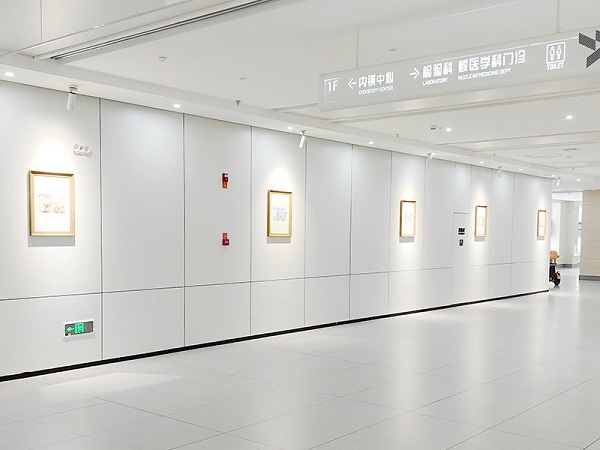
Architects increasingly specify HPL grade laminate for interior wall applications in commercial spaces, healthcare facilities, educational institutions, and hospitality projects. The material offers design flexibility through extensive color ranges, textured finishes, and woodgrain patterns that replicate natural materials without maintenance concerns. Panels from 6mm to 8mm thickness provide suitable solutions for vertical surfaces, while thicker options accommodate areas subject to impact or abrasion.
Healthcare environments benefit from the material's cleanability and resistance to hospital-grade disinfectants. Patient rooms, corridors, and treatment areas clad with HPL grade laminate maintain hygienic conditions while providing visually appealing environments. The material's fire performance characteristics, with many formulations achieving Class B1 ratings, support compliance with building codes for public assembly spaces. Installation versatility allows for mechanical fastening systems, concealed mounting brackets, or adhesive bonding depending on project requirements.
Furniture Components and Storage Systems
Commercial furniture manufacturers utilize HPL grade laminate for applications requiring durability beyond conventional veneered panels. School lockers, hospital bedside cabinets, laboratory casework, and public seating all benefit from the material's impact resistance and cleanability. The self-supporting nature enables designs with minimal framework, reducing overall weight while maintaining structural performance.
Restaurant and hospitality applications include tabletops that withstand thermal shock from hot plates, moisture from beverage spills, and frequent cleaning. The material resists cigarette burns and alcohol-based sanitizers that damage conventional laminates. Edge profiles can be routed, beveled, or radius-formed to create finished edges without visible seams or applied edge banding that can peel or chip over time.
Exterior Applications and Weather-Resistant Installations
Specialized exterior-grade HPL laminate formulations incorporate enhanced UV stabilizers and weathering resistance for outdoor applications. Building facades, exterior signage, outdoor furniture, and architectural elements benefit from the material's ability to maintain color stability and structural integrity despite exposure to sunlight, temperature fluctuations, and precipitation. Thickness selections of 8mm to 12mm provide adequate rigidity for wind loading while minimizing thermal expansion concerns through proper installation detailing.
Transit shelters, outdoor dining furniture, and park amenities demonstrate the material's performance in challenging environmental conditions. Unlike wood products requiring periodic refinishing or metal components prone to corrosion, exterior HPL grade laminate maintains appearance with minimal maintenance. The material resists moisture absorption that causes dimensional changes, preventing the warping and cupping common in traditional exterior cladding materials.
| Application Type | Recommended Thickness | Key Performance Requirements | Typical Lifespan |
|---|---|---|---|
| Bathroom Partitions | 12-13mm | Moisture resistance, impact strength | 15-20 years |
| Laboratory Countertops | 13-20mm | Chemical resistance, non-porous surface | 10-15 years |
| Wall Cladding | 6-8mm | Fire resistance, cleanability | 20-25 years |
| Furniture/Tabletops | 8-12mm | Scratch resistance, thermal shock resistance | 12-18 years |
| Exterior Cladding | 8-12mm | UV stability, weather resistance | 10-15 years |
| Flooring (specialized) | 10-12mm | Abrasion resistance, slip resistance | 8-12 years |
Performance Advantages of HPL Grade Laminate
Superior Moisture and Water Resistance
The phenolic resin matrix creates a moisture barrier throughout the material's cross-section, distinguishing HPL grade laminate from substrate-based alternatives. When particleboard or MDF cores absorb moisture, they swell and lose structural integrity, leading to edge delamination and surface buckling. HPL laminate's homogeneous structure eliminates these failure modes, maintaining dimensional stability even in saturated conditions.
Field testing in commercial shower facilities and pool changing rooms demonstrates the material's resistance to prolonged water exposure. Unlike ceramic tile installations that develop grout deterioration or solid surface materials that can delaminate from substrates, HPL grade laminate panels maintain structural integrity and appearance. The material's low water absorption coefficient prevents bacterial growth in micropores, supporting hygiene requirements in healthcare and food service environments.
Impact and Abrasion Resistance for High-Traffic Areas
HPL grade laminate withstands mechanical stress that damages conventional surfacing materials. The dense, compressed structure absorbs impact energy without fracturing, while the hard melamine surface layer resists scratching from daily use. Transportation facilities, educational institutions, and retail environments subject materials to constant abuse from carts, luggage, and equipment, making impact resistance a critical performance factor.
Comparative testing shows HPL laminate outperforming powder-coated metal, which dents permanently, and solid surface materials that show scratches from abrasive contact. The material maintains its appearance throughout service life without the refinishing requirements of wood surfaces or the crack propagation issues seen in porcelain and ceramic installations. Surface wear patterns develop gradually, allowing facilities to maintain consistent aesthetics across replacement cycles.
Fire Performance and Building Code Compliance
Building regulations increasingly emphasize fire safety in commercial construction, with materials required to meet specific flame spread and smoke development criteria. Quality HPL grade laminate formulations achieve Class B-s2, d0 to Class E fire ratings under European classification systems, supporting compliance in assembly occupancies, healthcare facilities, and educational buildings. The phenolic resin system chars rather than melts when exposed to flame, limiting flame propagation across surfaces.
Fire-rated HPL laminate provides architects with design flexibility in corridors, exit enclosures, and public gathering spaces where code officials scrutinize interior finish schedules. The material's performance exceeds that of many conventional decorative laminates while offering superior moisture resistance compared to gypsum-based fire-rated panels. Proper installation following manufacturer guidelines ensures rated assemblies maintain their performance characteristics throughout service life.
Chemical Resistance for Specialized Environments
Laboratory-grade HPL laminate resists degradation from acids, bases, solvents, and reagents that attack conventional surfaces. The tightly cross-linked resin matrix prevents chemical penetration, while the non-porous surface allows contamination removal through simple cleaning protocols. Pharmaceutical manufacturing, analytical laboratories, and industrial quality control facilities benefit from surfaces that maintain integrity despite daily exposure to aggressive chemicals.
Healthcare facilities utilizing quaternary ammonium disinfectants, hydrogen peroxide vapor systems, and bleach-based cleaning solutions find HPL grade laminate maintains its appearance and performance when other materials deteriorate. Food processing environments requiring frequent sanitation with caustic cleaners benefit from the material's resistance to chemical attack. Unlike stainless steel that shows water spotting or epoxy surfaces that can discolor, HPL laminate retains its original appearance throughout extended exposure cycles.
Selection Criteria for Optimal Performance
Thickness Selection Based on Application Requirements
Material thickness directly impacts structural performance, cost, and installation complexity. Wall cladding applications typically utilize 6mm to 8mm panels that provide adequate rigidity while minimizing weight and material costs. Horizontal surfaces subjected to point loads, such as countertops and work surfaces, require 12mm to 20mm thicknesses to prevent deflection and distribute stress. Partition systems benefit from 12mm to 13mm specifications that balance structural requirements against overall system weight.
Designers should consider spanning capabilities when selecting thickness. An 8mm panel might adequately span 400mm between supports for wall applications, while the same span in a horizontal orientation would require 12mm minimum to prevent noticeable deflection. Installation systems including mechanical fastening, adhesive bonding, or concealed mounting brackets influence optimal thickness selection. Consulting manufacturer technical documentation ensures selections meet performance requirements while optimizing project economics.
Surface Finish Options and Aesthetic Considerations
HPL grade laminate manufacturers offer extensive surface finish options ranging from high-gloss to deeply textured patterns. Gloss levels affect both aesthetics and maintenance requirements, with matte and textured finishes concealing fingerprints and minor scratches more effectively than high-gloss specifications. Textured surfaces provide slip resistance for flooring applications and shower areas, while smooth finishes facilitate cleaning in laboratory and food service environments.
Color selection influences perceived durability, with darker solids showing scratches and wear patterns more prominently than woodgrains or abstract patterns. Antibacterial surface treatments incorporating silver ion technology provide additional hygiene benefits in healthcare and food service applications. Design teams should review physical samples under project lighting conditions, as colors can shift significantly between fluorescent, LED, and natural daylight exposures. Matching finish selections to cleaning protocols prevents premature appearance deterioration.
Quality Standards and Certification Requirements
Specifying HPL grade laminate that meets international quality standards ensures consistent performance and supports warranty claims. The European standard EN 438 defines performance requirements for high-pressure decorative laminates, while NEMA LD3 covers North American specifications. ISO 4586 provides international harmonization for testing methods and performance criteria. Project specifications should reference these standards and require manufacturer certification of compliance.
Third-party testing laboratories verify manufacturer claims regarding fire performance, chemical resistance, and physical properties. Greenguard certification indicates low volatile organic compound emissions, supporting sustainable building initiatives and indoor air quality requirements. Understanding the distinction between mill test reports and independent laboratory certification helps designers evaluate competing products. Requesting test documentation before finalizing specifications protects against substandard materials that may fail prematurely in service.
Installation Best Practices and Maintenance Guidelines
Fabrication and Edge Treatment Techniques
Proper fabrication techniques maximize HPL grade laminate performance and aesthetics. Carbide-tipped cutting tools prevent chipping along cut edges, while appropriate feed rates avoid overheating that can cause discoloration. Panel edges can be finished through routing, beveling, or radius forming to create seamless transitions without applied edge banding. Some applications benefit from factory-finished edges incorporating matching color compounds that fill minor imperfections.
Drilling for mechanical fasteners requires sharp bits and controlled feed pressure to prevent delamination around holes. Countersinking enables flush mounting of screws and bolts without surface protrusions. Edge sealing compounds provide additional moisture protection in wet environments, though the material's inherent water resistance typically eliminates this requirement. Following manufacturer fabrication guidelines prevents warranty issues and ensures optimal installed appearance.
Mounting Systems and Substrate Preparation
Installation methods vary based on application requirements and panel thickness. Mechanical fastening through visible screws provides secure attachment with easy disassembly for future modifications. Concealed mounting systems using proprietary brackets create clean aesthetics suitable for architectural applications. Adhesive bonding to substrates works effectively for permanent installations where removal or repositioning is not anticipated.
When bonding to substrates, surface preparation significantly affects long-term adhesion. Substrates must be dry, clean, and dimensionally stable to prevent debonding from differential thermal expansion. Contact adhesives, two-part epoxies, and polyurethane systems each offer specific advantages depending on environmental conditions and open time requirements. Allowing adequate curing time before subjecting installations to full loading prevents premature failure. Expansion joints accommodate thermal movement in large-area installations, preventing buckling from restrained expansion.
Cleaning and Long-Term Maintenance
Routine maintenance of HPL grade laminate requires only mild detergent solutions and soft cloths or mops. The non-porous surface prevents soil penetration, allowing most contaminants to be removed through simple wiping. Avoiding abrasive cleaners and scouring pads prevents surface dulling that accumulates over time. Isopropyl alcohol removes adhesive residues and stubborn stains without damaging the melamine surface layer.
Specialized cleaning situations including graffiti removal or chemical spills may require stronger solvents. Testing cleaning agents on inconspicuous areas before widespread application prevents unexpected surface damage. Unlike natural stone requiring periodic sealing or wood demanding refinishing, HPL grade laminate maintains its performance characteristics throughout service life without specialized treatments. Developing written maintenance protocols ensures custodial staff understand proper care techniques, preventing premature appearance degradation from inappropriate cleaning methods.
Cost Considerations and Value Analysis
Initial material costs for HPL grade laminate typically exceed conventional decorative laminates and painted surfaces, positioning it as a premium solution. However, lifecycle cost analysis frequently demonstrates economic advantages when factoring in durability, maintenance requirements, and replacement cycles. A bathroom partition system using HPL laminate might cost 40-60% more initially than powder-coated metal, but the longer service life and reduced maintenance create favorable economics over a 20-year analysis period.
Maintenance cost savings stem from the material's resistance to common damage modes. Partitions that resist graffiti reduce cleaning time and vandalism repair expenses. Laboratory countertops maintaining their appearance despite chemical exposure eliminate premature replacement costs. Wall surfaces that clean easily reduce labor hours while maintaining professional aesthetics. These operational advantages often justify premium material costs, particularly in high-traffic facilities where frequent repairs disrupt operations.
Environmental Considerations and Sustainability
Sustainable building initiatives increasingly influence material selection decisions. HPL grade laminate contributes to green building goals through several mechanisms. The material's durability reduces replacement frequency, minimizing waste generation over building lifecycles. Low volatile organic compound emissions support indoor air quality objectives, with many products achieving Greenguard certification. Some manufacturers incorporate recycled content in core layers, though this requires careful evaluation to ensure performance characteristics meet application requirements.
End-of-life disposal presents challenges, as the thermosetting resin systems do not permit recycling through melting processes available for thermoplastics. However, the material can be ground and incorporated into particleboard or used as aggregate in certain applications. The long service life effectively amortizes environmental impacts over extended periods compared to materials requiring frequent replacement. Specifiers should request environmental product declarations providing transparent lifecycle impact data supporting sustainable design decisions.
Conclusion
HPL grade laminate serves as a versatile, high-performance material suitable for demanding architectural and commercial applications. The combination of structural integrity, moisture resistance, impact tolerance, and aesthetic flexibility positions it as an optimal solution for bathroom partitions, laboratory surfaces, wall cladding, furniture components, and specialized installations. Understanding the material's composition, performance characteristics, and application requirements enables designers to specify solutions that balance initial costs against lifecycle performance.
Proper material selection considering thickness, surface finish, and quality certifications ensures installations meet functional requirements while delivering long-term value. Following manufacturer guidelines for fabrication, installation, and maintenance maximizes service life and maintains aesthetic appeal throughout decades of use. As building codes emphasize fire safety, hygiene, and sustainability, HPL grade laminate's performance advantages continue driving specification across diverse project types and market segments.
Frequently Asked Questions
What is the typical lifespan of HPL grade laminate in commercial applications?
Properly installed HPL grade laminate typically lasts 15-25 years in commercial environments depending on traffic levels and maintenance quality. Bathroom partitions and wall cladding often exceed 20 years, while heavily used countertops and furniture surfaces may require replacement after 10-15 years.
Can HPL grade laminate be used for outdoor applications?
Specialized exterior-grade formulations with enhanced UV stabilizers perform well outdoors for facades, signage, and furniture. Standard interior-grade materials may fade or degrade when exposed to direct sunlight and weather. Always specify exterior-rated products for outside installations and follow manufacturer recommendations for proper detailing.
How does HPL grade laminate compare to solid surface materials?
HPL laminate offers superior impact resistance and lower cost compared to solid surface materials, but cannot be repaired through sanding like solid surfaces. HPL laminate resists heat and chemicals better than basic solid surfaces but lacks the seamless joint capability. Material selection depends on specific application requirements and budget constraints.
What thickness is recommended for bathroom partition installations?
Most commercial bathroom partitions use 12mm or 13mm HPL grade laminate, providing adequate structural rigidity for floor-mounted or overhead-braced systems. Thinner panels may deflect excessively, while thicker options add unnecessary cost and weight. Hardware manufacturers design bracket systems specifically for these standard thicknesses.
Does HPL grade laminate require special cleaning products?
Routine cleaning requires only mild soap and water solutions. The material resists common disinfectants, including quaternary ammonium compounds and diluted bleach solutions used in healthcare facilities. Avoid abrasive cleaners and scouring pads that can dull the surface finish over time.
Is HPL grade laminate suitable for laboratory countertops with chemical exposure?
Laboratory-grade HPL laminate with enhanced chemical resistance performs well in most analytical and research environments. The material resists common acids, bases, and solvents, though extremely aggressive chemicals may cause surface etching. Manufacturers provide chemical resistance charts showing performance against specific reagents to guide proper material selection.
CATEGORIES:


 Contact Us
 Online Sales
 Case Study
 News Center
 Product Brochure